
24/7 Customer Support

Free returns

Same-day & Next-day Delivery

Quality Guaranteed

Unlock Your Welcome Offers: FREE Delivery | Up to 80% OFF | Free 30-day JoyPlus trial
Download the APP
Electrolyte hydration powder sachets are convenient for runners, gym-goers, travellers and anyone who wants a portable alternative to bottled sports drinks. A sachet can fit in a work bag or running belt and usually dissolves in water within seconds.
However, a colourful packet does not automatically mean the formula suits your needs. Before buying an electrolyte drink mix, check what is actually inside, how much water it requires and whether the serving fits your lifestyle.
Some products promote vitamins, botanical extracts, amino acids or caffeine more prominently than their mineral profile. These ingredients may be relevant for particular use cases, but they do not replace checking the actual quantities of sodium, potassium and magnesium.
For exercise in warm conditions or during prolonged sweating, sodium is often a key figure to compare. For everyday hydration support, a lower-mineral formula may be more appropriate than a high-sodium product.
Sugar-free electrolytes can suit low-sugar, keto or calorie-conscious routines, but sweeteners and added functional ingredients still matter. Check for stevia, sucralose, caffeine, fibre and flavourings if you have specific dietary preferences or sensitivities.
A zero-sugar hydration drink may also taste more concentrated or salty, particularly when mixed with less water than recommended.
A seven-sachet trial pack is useful if you are comparing flavours, while a 20- or 30-sachet box may offer greater convenience for regular users. Also check whether one serving is mixed with 200ml, 500ml or up to 1 litre of water. The water volume affects taste and the overall concentration of the drink.
Do not assume that every powder is interchangeable. Follow the product label, recommended daily amount and warnings, especially when a formula includes caffeine, creatine or high levels of minerals.
Look for a clearly stated mineral panel rather than relying on phrases such as “advanced hydration”. Products in this selection provide different profiles:
These figures are not automatically better or worse. A runner training for a long event may look for a different sodium level from an office worker wanting a low-calorie electrolyte drink for occasional use.
For people tracking carbohydrate intake, compare both sugars and total carbohydrate. Some products contain no sugar but still include fibre or other carbohydrate sources. Vidrate Coconut lists 0g sugar and 2 kcal per sachet, while several other formulas are also labelled sugar-free.
Check the ingredients for sweeteners such as steviol glycosides, monk fruit or sucralose. Flavour preference is personal, so a small pack can be a sensible way to assess sweetness before committing to a larger supply.
A basic hydration support powder may contain only minerals, acids, flavouring and sweetener. Other products add vitamins, amino acids, beetroot, coconut water powder, caffeine or creatine.
Consider these points before choosing:
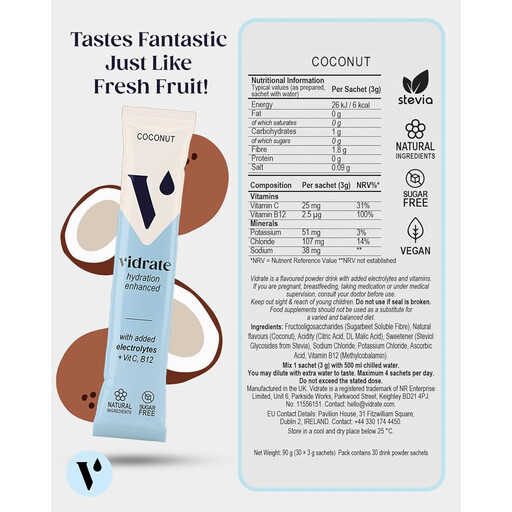
Why This Fits Their Persona: A 10-sachet pack gives new users a practical way to try coconut flavour and a low-calorie hydration powder before choosing a larger format.
The label states 0g sugar and 2 kcal per sachet, with serving guidance of 500–700ml of water.
Contains vitamin C, methylcobalamin, sodium, potassium and magnesium in individually wrapped sachets.
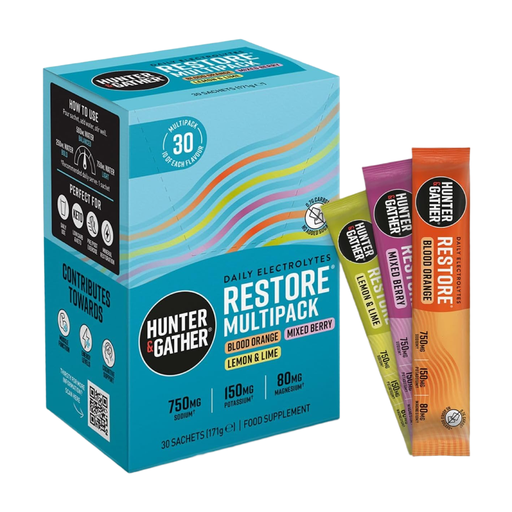
Why This Fits Their Persona: A 30-sachet multi-flavour box suits regular users who want to rotate Blood Orange, Mixed Berry and Lemon & Lime.
The per-sachet panel clearly lists 750mg sodium, 150mg potassium and 80mg magnesium, rather than relying only on broad hydration language.
Uses monk fruit extract and contains no added sugar; the variety format helps compare flavours.
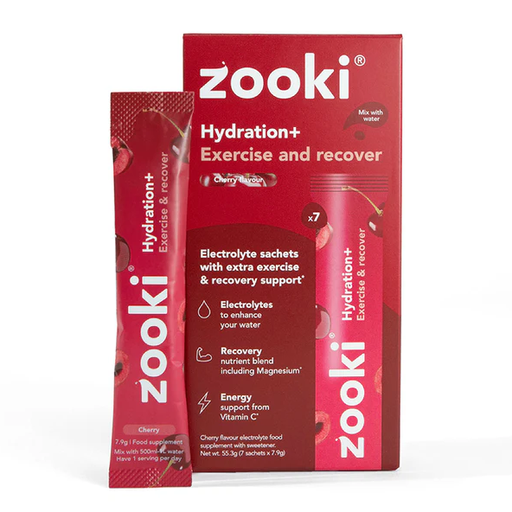
Why This Fits Their Persona: Designed for adults who want an electrolyte powder for exercise with additional L-glutamine, beetroot powder and vitamin C.
Its label states the amount of five minerals, including 1,000mg sodium, so heavier users can compare the formula with their training requirements.
Provides sodium, potassium, magnesium, calcium, L-glutamine and 80mg vitamin C per 7.9g sachet.
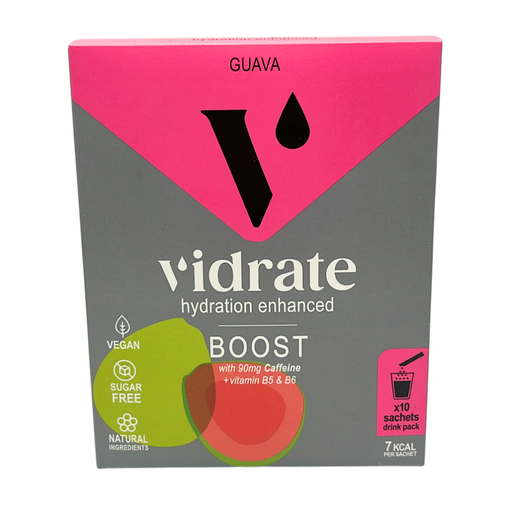
Why This Fits Their Persona: Suitable for adults wanting portable hydration support alongside a measured caffeine option during work or training.
The caffeine quantity is stated as 90mg per sachet, making it easier to account for coffee and other caffeine sources.
Zero sugar, 5.8 kcal per serving and described as dairy-free, gluten-free, nut-free, halal and vegan friendly.
We have compiled a complete, real-time list of products that fully satisfy these strict selection criteria and UK safety regulations.
Follow the water volume printed on the label. Many products use between 200ml and 700ml, while some recommend up to 1 litre for a lighter taste. Shake or stir until fully dissolved, and do not consume the dry powder directly.
Some are designed for daily hydration support, but the right choice depends on the mineral levels and added ingredients. Check the recommended serving and avoid combining several products with overlapping vitamins, minerals, creatine or caffeine.
They can be, but compare the full nutrition panel rather than relying on front-of-pack wording. Products may contain small amounts of carbohydrate, fibre or naturally occurring sugars. People who are pregnant, taking medication or managing a health condition should seek appropriate medical advice before using dietary supplements.