
24/7 Customer Support

Free returns

Same-day & Next-day Delivery

Quality Guaranteed

Unlock Your Welcome Offers: FREE Delivery | Up to 80% OFF | Free 30-day JoyPlus trial
Download the APP
A sachet added to a bottle of water can be useful after a sweaty run, during a long gym session or when travelling. However, not every electrolyte hydration powder is designed for the same situation. Some products focus on sodium replacement, while others add vitamins, caffeine, amino acids or creatine.
The challenge for UK shoppers is separating practical formulation details from vague promises. A colourful flavour, “advanced” formula or long ingredient list does not automatically make an electrolyte supplement suitable for your routine.
A headline figure such as “1,500mg electrolytes” may sound impressive, but it does not explain how much sodium, potassium or magnesium the serving contains. These minerals have different roles in a formula, so always check the per-serving nutrition panel rather than relying on the total blend weight.
For exercise and heavy sweating, sodium is often the most relevant figure to compare. For everyday hydration, a lower-mineral formula may be more appropriate, particularly if your diet already supplies sufficient electrolytes.
Traditional sports drinks can contain substantial sugar. That may suit some endurance activities, but it may not fit a low-sugar, keto or intermittent-fasting routine. Conversely, “sugar-free” does not necessarily mean sweetener-free. Stevia, monk fruit, sucralose and sugar alcohols can all affect taste and tolerance differently.
Read the ingredients and nutrition panel carefully. Look for energy, carbohydrate, sugars and sweeteners per serving, not just front-of-pack claims.
Some hydration supplements contain caffeine, taurine, tyrosine, L-theanine, amino acids, herbal extracts or creatine. These may be relevant to a particular use case, but they also make the product less suitable as a simple daily drink.
For example, a caffeinated electrolyte drink mix may not be suitable late in the day, while a product containing creatine should not be casually combined with another creatine supplement. Check the full ingredient list and follow the stated serving limit.
Compare the quantities in milligrams per serving. Products in this category vary considerably:
These figures are not a ranking. They simply show why matching the formula to your activity matters. A higher-sodium product may be worth considering for prolonged, sweat-heavy exercise, but people with medical conditions or sodium restrictions should seek professional advice before use.
If you want sugar-free electrolytes or low-calorie hydration, confirm the actual figures. Cadence Core Hydration lists 0 kcal and 0g sugar per sachet. EHPlabs Hydreau lists 15 kcal and 1g sugar per scoop, while Applied Nutrition Colleen Rooney Hydration Stick Packs provide 18 kcal and 1.1g sugar per 7g stick.
Products labelled low sugar may still contain a small amount of carbohydrate. This is particularly important if you track macros, follow a keto diet or use hydration supplements during fasting periods.
Powder sachets are convenient for a work bag, gym kit or suitcase, but the recommended water volume affects taste and concentration. Cadence sachets are designed for one serving, while products such as HUNTER & GATHER Restore can be diluted in approximately 500–1,000ml of water.
Effervescent tablets are another option. Applied Nutrition Bodyfuel Hydro uses one 4g tablet in 200ml of water, while Berocca Hydrate uses two tablets. Tablets can be less messy to carry, but powders offer more flexibility when adjusting serving volume.
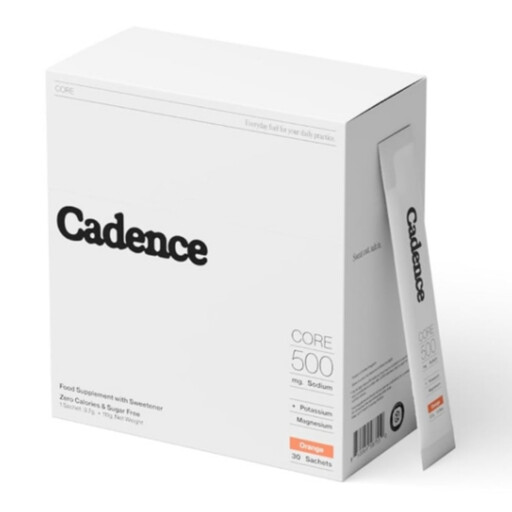
Why This Fits Their Persona: A 30-sachet box provides a straightforward option for adults who want portable electrolyte supplements for commuting, everyday activity or occasional exercise.
The label clearly states 0 kcal, 0g sugar and the quantities of sodium, potassium and magnesium per 5g sachet.
Single-serve format; orange flavour; stevia-sweetened formula with 500mg sodium per sachet.
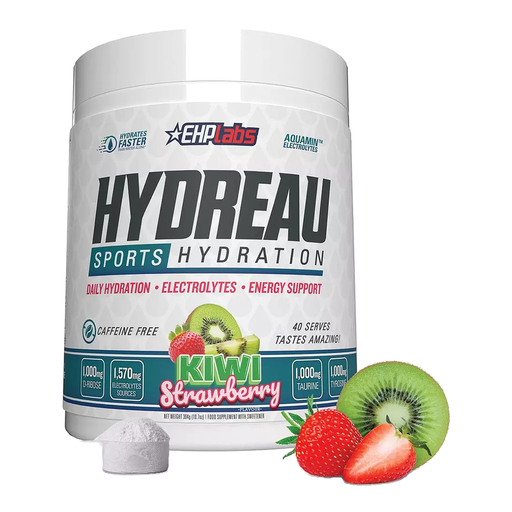
Why This Fits Their Persona: The larger tub format suits regular gym users and active adults who prefer a scoop-based drink mix for repeated use.
Its nutrition panel gives per-serving calories, sugars, sodium, magnesium and potassium instead of only presenting a combined electrolyte headline.
40 servings; 15 kcal and 1g sugar per serving; includes taurine, tyrosine and vitamin C.
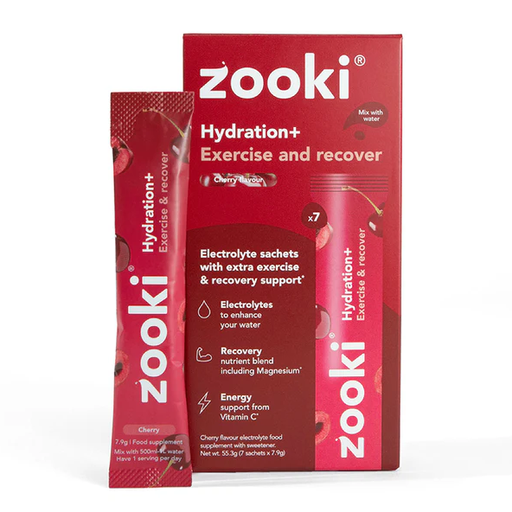
Why This Fits Their Persona: It is aimed at adults undertaking sweat-heavy training who want electrolyte replenishment alongside exercise-focused ingredients.
The formula identifies its mineral quantities and added L-glutamine, beetroot powder and vitamin C, helping shoppers assess the complete blend.
20 sachets; 1,000mg sodium per serving; sugar-free cherry-flavoured powder with 5 kcal per sachet.
We have compiled a complete, real-time list of products that fully satisfy these strict selection criteria and UK safety regulations.
Food supplements should not replace a varied diet or ordinary fluid intake. Always read the current product label because ingredients, serving instructions and packaging can change.
Take extra care if you are pregnant, breastfeeding, under medical supervision, taking medication or managing kidney, cardiovascular or blood-pressure conditions. Caffeine-containing products, such as ViDrate Boost or certain focus-oriented formulas, require particular attention to total daily caffeine intake.
Do not assume vegan, gluten-free or dairy-free suitability without checking the pack. Certification and allergen statements can vary between products and flavours.
It depends on the formula and your individual needs. A low-calorie product with modest mineral levels may suit occasional everyday use, while higher-sodium products are more relevant to heavy sweating. Follow the stated serving guidance and do not exceed it.
Many products can be used before, during or after exercise, but the label should guide timing. For longer sessions or hot conditions, some people prefer sipping an electrolyte drink mix during activity. Post-workout recovery formulas may also contain amino acids or vitamins, so compare the full ingredient list.
They can reduce storage and transport costs because one sachet is mixed with water at home or at the gym. To compare running cost fairly, divide the pack price by the number of servings and check the recommended water volume. A product with more servings may offer better convenience for regular users, but flavour, formula and tolerance remain important considerations.