
24/7 Customer Support

Free returns

Same-day & Next-day Delivery

Quality Guaranteed

Unlock Your Welcome Offers: FREE Delivery | Up to 80% OFF | Free 30-day JoyPlus trial
Download the APP
An electrolyte hydration powder can be a practical way to flavour water and add minerals after exercise, during travel or on hot days. However, products vary considerably in electrolyte levels, sweeteners, pack size and additional ingredients.
The right choice depends less on impressive packaging and more on the label. Before buying electrolyte sachets or a larger tub, check three common traps.
Some hydration supplements combine electrolytes with vitamins, amino acids, caffeine, creatine, botanical extracts or energy ingredients. These additions may suit a particular routine, but they can make it harder to identify how much sodium, potassium or magnesium you are actually receiving.
A simple electrolyte drink mix may be more appropriate for everyday use, while a sports hydration powder with caffeine or recovery ingredients should be selected for a specific purpose.
Sugar-free electrolytes can still contain sweeteners such as stevia, monk fruit or sucralose. Some products also contain naturally occurring sugars or a small amount of carbohydrate. Check the nutrition panel rather than relying on front-of-pack wording.
Flavour strength matters too. A concentrated powder mixed into too little water may taste overly salty or sweet. Always follow the stated dilution instructions.
More is not automatically more useful. Many products specify one sachet or scoop per day. Combining an electrolyte powder with other hydration supplements, multivitamins, caffeine products or creatine can increase total intake.
Caffeine-containing formulas are unsuitable for some people, while high-sodium products require particular care for anyone following a medically advised low-sodium diet. Read the label and seek healthcare advice if you take medication, have an underlying condition, are pregnant or breastfeeding.
The main minerals to check are sodium, potassium and magnesium. Calcium and chloride may also be included. Sodium is often the most prominent electrolyte in sports hydration products because sweating can involve sodium loss, but the appropriate amount depends on activity, duration, temperature and individual needs.
Compare the quantity per serving, not only per 100g. For example, Cadence Core Hydration Sachets provide 500mg sodium, 200mg potassium and 20mg magnesium per 5g sachet according to the supplied product information. Science in Sport Hydro+ provides 350mg sodium, 300mg potassium, 56.25mg magnesium and 120mg calcium in its stated serving.
If you follow a low-sugar, keto, vegan, gluten-free or dairy-free lifestyle, inspect the complete ingredients list and allergen statement. “Low calorie” is not identical to “zero sugar”, and a vegan label does not remove the need to check flavourings, additives and manufacturing information.
A powdered electrolyte drink with added vitamins may be useful for shoppers who want a broader formula, but a shorter ingredient list may be easier to track.
Portable hydration sticks and individual sachets offer measured servings for gym bags, commuting, races and holidays. Larger tubs can reduce packaging per serving and suit regular users, but you need a reliable scoop and a dry storage area.
Also compare the required water volume. Some products are designed for 200–500ml, while others recommend 500–1,000ml. This affects taste, portability and how convenient the product is during a run or long journey.
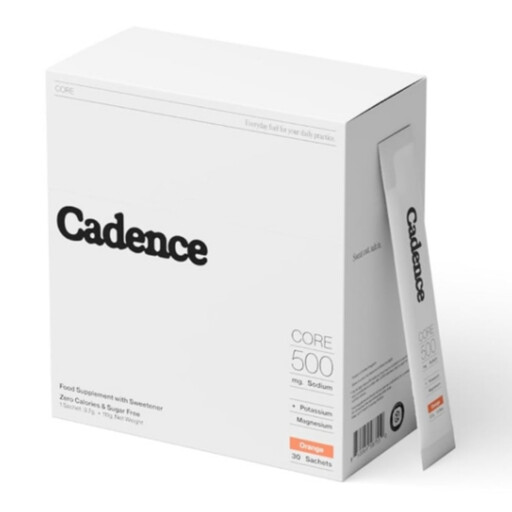
Why This Fits Their Persona: The 30-sachet format provides a practical supply for regular gym sessions, commuting or travel without committing to a large tub.
The stated formula lists sodium, potassium and magnesium amounts per 5g sachet, with zero sugars and zero calories in the supplied nutrition information.
Single-use sachets, natural orange flavouring and a stated 500mg sodium serving.
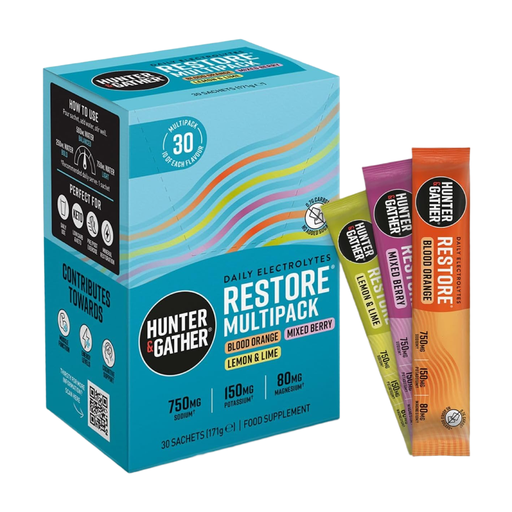
Why This Fits Their Persona: This multi-flavour box suits shoppers who want to compare tastes while keeping a consistent sachet format for work, exercise and travel.
The supplied information clearly states 750mg sodium, 150mg potassium and 80mg magnesium per sachet, alongside a monk fruit sweetener and no added sugar.
30 sachets, three listed flavours and stated vegan, gluten-free and dairy-free suitability.
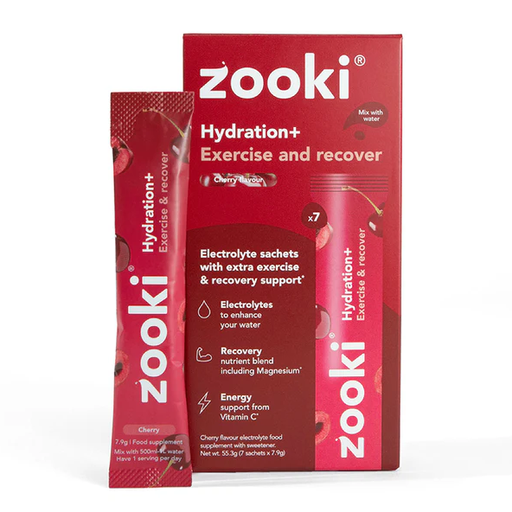
Why This Fits Their Persona: The formula is aimed at users comparing sports hydration powder with additional exercise-focused ingredients for use during or after demanding sessions.
The label separates its five electrolytes from L-glutamine, beetroot powder and vitamin C, making the additional ingredients visible rather than implied.
One sachet contains stated amounts of 1,000mg sodium, 200mg potassium, 100mg magnesium and 50mg calcium.
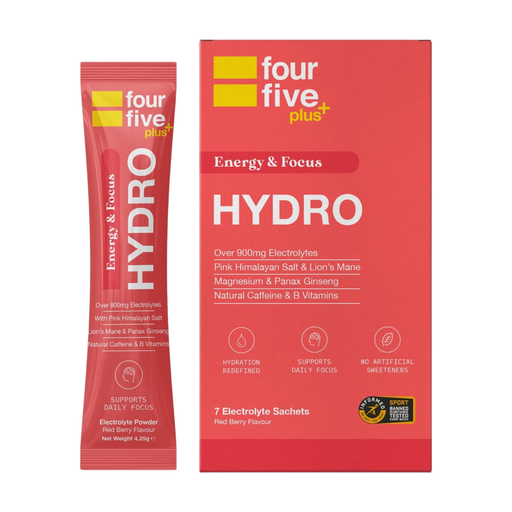
Why This Fits Their Persona: This option combines hydration with a stated caffeine content, which may suit adults who want one sachet for training or a busy working day.
The product information states 80mg caffeine per serving and identifies L-theanine and a vitamin B blend, allowing buyers to account for the complete formula.
Zero added sugar, 14 stated calories per serving and a 7-sachet format for trial use.
Before purchasing hydration powder sachets, check:
We have compiled a complete, real-time list of products that fully satisfy these strict selection criteria and UK safety regulations.
Use the water volume printed on the product label. Add the powder to water, then stir or shake until dissolved. Do not consume dry powder directly. Using more water generally produces a milder flavour, but it may alter the intended serving concentration.
They can be convenient, but they are not automatically necessary for every day. Consider your activity level, sweating, weather and diet. Plain water and a balanced diet may be sufficient for routine low-intensity days. Follow the product’s maximum daily serving.
A tub may offer a lower cost per serving, but only if you use the full contents before the best-before date and measure each serving accurately. Sachets cost more in terms of packaging but provide portability, portion control and easier storage for travel or exercise.