
24/7 Customer Support

Free returns

Same-day & Next-day Delivery

Quality Guaranteed

Unlock Your Welcome Offers: FREE Delivery | Up to 80% OFF | Free 30-day JoyPlus trial
Download the APP
An electrolyte hydration powder can be a convenient addition to a gym bag, running belt, work drawer or travel case. However, comparing electrolyte sachets is not simply a matter of choosing the most colourful packaging or the product with the longest ingredient list.
Marketing often focuses on words such as “advanced”, “clean” or “professional” without making the practical differences clear. Before buying, check the actual mineral quantities, serving instructions and additional ingredients. This helps you avoid paying for a formula that does not suit your training, diet or caffeine tolerance.
Some hydration powder sachets contain vitamins, amino acids, creatine, botanical extracts or stimulants. These may be useful for a particular routine, but they can make the product less suitable for simple daily hydration. A runner preparing for a long session may prioritise sodium and portability, while someone seeking a post-workout recovery drink may specifically want creatine or amino acids.
Electrolyte products can vary considerably in sodium content. A light daily electrolyte drink mix may contain considerably less sodium than a sports hydration powder designed for heavy sweating. More is not automatically more suitable: people following a medically advised low-sodium diet should seek professional advice before using higher-sodium products.
“Energy” hydration supplements may contain caffeine from coffee, green tea or an added caffeine source. Check the amount per serving and the recommended daily maximum. Sugar-free electrolytes may still contain sweeteners such as stevia, monk fruit or sucralose, each of which can affect taste and personal preference. Always read the label, particularly if you already drink coffee, tea or energy drinks.
Look for the stated quantities of sodium, potassium, magnesium and calcium, rather than relying on phrases such as “complete electrolyte formula”. For reference, the products featured below list quantities per sachet or scoop, making comparisons easier.
Also check how much water the manufacturer recommends. A 5g sachet intended for 500ml creates a different concentration from a 3g sachet intended for 500–700ml. Adjusting the water volume may alter the flavour intensity, but do not exceed the stated daily serving.
If you are reducing sugar, compare the nutrition panel rather than the front of the packet. Several products in this selection are described as zero-sugar or low-calorie, while others contain small amounts of naturally occurring sugar.
For vegan electrolyte powder buyers, check the complete ingredient list and allergen information. Products described as vegan, dairy-free or gluten-free should still be checked against the latest packaging, as formulations can change.
Caffeine, creatine, B vitamins, vitamin C, taurine, tyrosine and amino acids can change the intended use of a powder. These ingredients may make a product more appropriate for exercise, focus or recovery, but less appropriate for late-evening use or uncomplicated daily hydration.
Single-serve portable hydration sachets are useful for commuting, races, holidays and outdoor activities. Larger boxes may offer a lower cost per serving, while seven-sachet packs can be a practical way to try a formula before committing to a larger supply.
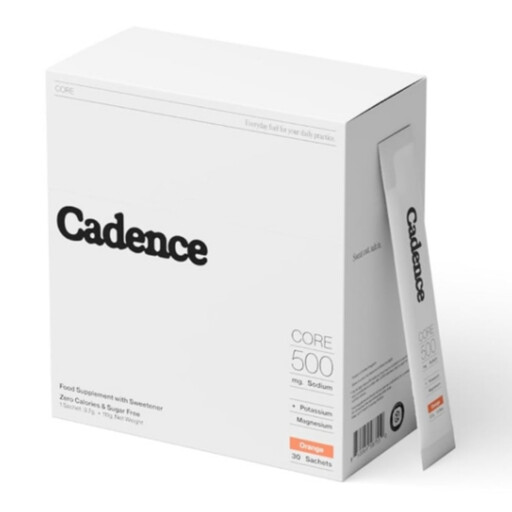
Why This Fits Their Persona: A 30-sachet box provides a straightforward option for active adults who want to establish a regular hydration routine for commuting, gym sessions or travel.
The label specifies 500mg sodium, 200mg potassium and 20mg magnesium per 5g sachet, rather than relying only on broad hydration language.
30 single-serve sachets; orange flavour; stevia-sweetened formula with zero sugar listed per serving.
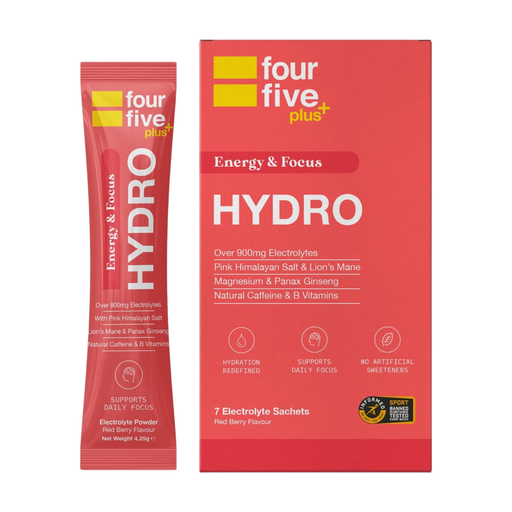
Why This Fits Their Persona: Suitable for adults comparing a hydration powder with vitamins and caffeine for training days, busy working routines or earlier daytime use.
The product information states over 900mg of core electrolytes and identifies 80mg caffeine per serving, allowing buyers to assess the formula clearly.
14 calories per serving; zero added sugar; includes L-Theanine and a broad B-vitamin blend.
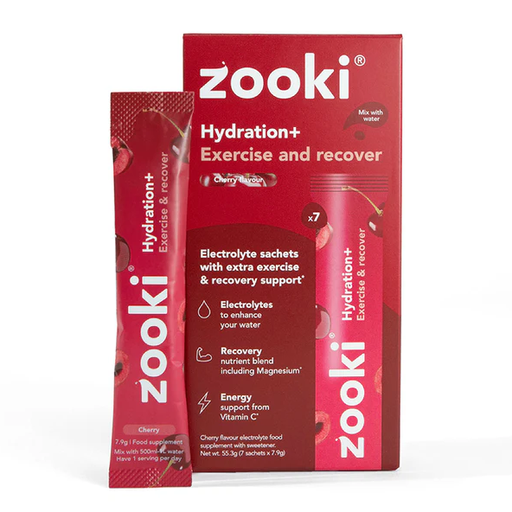
Why This Fits Their Persona: Designed for adults who want an electrolyte powder for exercise with additional ingredients for an active post-training routine.
Its listed nutrition panel separates the electrolyte amounts from L-Glutamine, beetroot powder and vitamin C, so the added functionality is visible.
Lists 1,000mg sodium, 200mg potassium, 100mg magnesium and 50mg calcium per sachet; 20 individual servings.
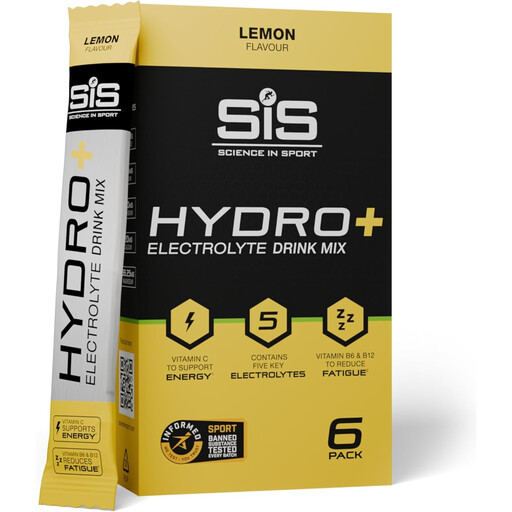
Why This Fits Their Persona: A practical choice for people wanting an uncomplicated lemon hydration powder before, during or after exercise without a listed caffeine blend.
The serving information provides separate figures for sodium, chloride, potassium, calcium and magnesium, rather than presenting only a combined total.
Per 4.1g serving, it lists 350mg sodium, 300mg potassium, 56.25mg magnesium and 120mg calcium; includes vitamins C, B6 and B12.
We have compiled a complete, real-time list of products that fully satisfy these strict selection criteria and UK safety regulations.
Follow the product label for both powder quantity and water volume. Many sachets are designed for around 500ml, while some energy hydration products specify 300–700ml. Shake or stir until dissolved, and do not consume the powder dry. Use a clean bottle, especially when taking a sachet to the gym, workplace or outdoors.
They are intended to supplement fluid intake, particularly during sweating, exercise, warm conditions or travel. They should not automatically replace ordinary water throughout the day. Your needs depend on activity, climate, diet and individual circumstances.
Some products are labelled for daily use, but serving limits vary. Check sodium, caffeine, vitamins and any added ingredients before using one regularly. Do not combine several hydration supplements without checking for overlapping minerals, stimulants or vitamins. People who are pregnant, under 18, taking medicines or managing a health condition should seek appropriate medical advice before use.