
24/7 Customer Support

Free returns

Same-day & Next-day Delivery

Quality Guaranteed

Unlock Your Welcome Offers: FREE Delivery | Up to 80% OFF | Free 30-day JoyPlus trial
Download the APP
For runners, cyclists, gym-goers and busy travellers, electrolyte hydration supplements can be a convenient way to add minerals to water when sweating is heavier than usual. However, colourful packaging and phrases such as “advanced hydration” do not tell you whether a product suits your routine.
The practical choice depends on the serving’s electrolyte content, sugar level, format, flavour and usage instructions. Before buying electrolyte sachets, electrolyte powder or hydration tablets, watch out for these common pitfalls.
Some products include vitamins, plant extracts, taurine, caffeine or other additions. These may be relevant to a particular routine, but they can also make a product unsuitable for people who want a simple sodium potassium magnesium supplement.
Check the full ingredients list rather than relying on front-of-pack wording. If you already take multivitamins, sports products or prescribed medicines, consider whether overlapping ingredients are appropriate.
Sugar-free electrolytes and zero-sugar hydration can be useful for people managing calorie intake, but sugar content is only one comparison point. A product can be sugar-free yet still contain a relatively high amount of sodium, sweeteners or other active ingredients.
Conversely, some hydration drinks contain glucose, which may be relevant during prolonged exercise. Do not assume that sugar-free automatically means suitable for every session.
A sachet mixed into 500ml of water will taste and measure differently from one intended for 200ml. Using less water than instructed can make a drink overly concentrated and unpleasant, while using more water may produce a milder flavour.
Always check the recommended water volume, maximum daily intake and whether the prepared drink should be consumed within a particular period.
Sweating removes water and minerals, including sodium. For this reason, sodium is often the most useful figure when comparing a sports hydration supplement or electrolyte tablets for athletes.
The products listed here provide different amounts per serving. Examples include:
These figures are not recommendations for a particular person. They simply show why comparing the nutrition panel is more useful than comparing pack size alone. People with high blood pressure, kidney conditions, heart conditions or a medically restricted sodium intake should seek appropriate healthcare advice before using higher-sodium products.
Many labels state that they contain three electrolytes, but the quantity can vary considerably. Cadence Core provides 200mg potassium and 20mg magnesium per sachet. HUNTER & GATHER Restore lists 150mg potassium and 80mg magnesium, while Zooki lists 200mg potassium and 100mg magnesium.
Some hydration tablets also include calcium. Applied Nutrition’s lemon and lime tablets provide 100mg potassium, 15mg calcium and 25mg magnesium per tablet, while the orange version provides 300mg potassium, 100mg calcium and 50mg magnesium.
A broader mineral profile is not automatically more suitable. Match the figures to your exercise duration, sweat levels, dietary intake and professional guidance where relevant.
For sugar-free electrolytes, inspect both “carbohydrate” and “of which sugars”. Applied Nutrition’s effervescent tablets provide a zero-sugar format with 6–7 calories per serving, while Cadence Core lists zero calories and zero sugars per sachet.
Other products have different profiles. Berocca Hydrate contains glucose and B vitamins, while Applied Nutrition Colleen Rooney Hydration Stick Packs provide around 1.1g sugars and 18 calories per 7g stick. This may matter if you are tracking calories or specifically looking for zero-sugar hydration.
Flavour preferences also affect consistency. Natural stevia, monk fruit, sucralose and unflavoured mineral blends create noticeably different tastes. If you dislike a flavour, a large box can become poor value even when the price per serving looks attractive.
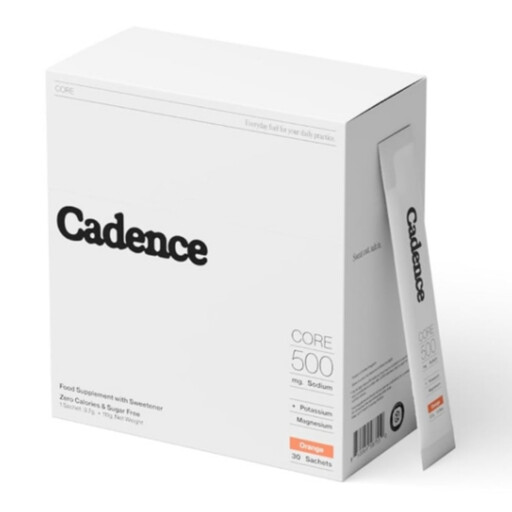
Why This Fits Their Persona: A 30-sachet box gives active adults a straightforward format for gym bags, commutes and UK travel, with one 5g serving designed for water.
The label clearly states 500mg sodium, 200mg potassium and 20mg magnesium per sachet, plus zero calories and sugars.
Single-serve packaging; orange flavour; stevia-sweetened formula with no listed sugar.
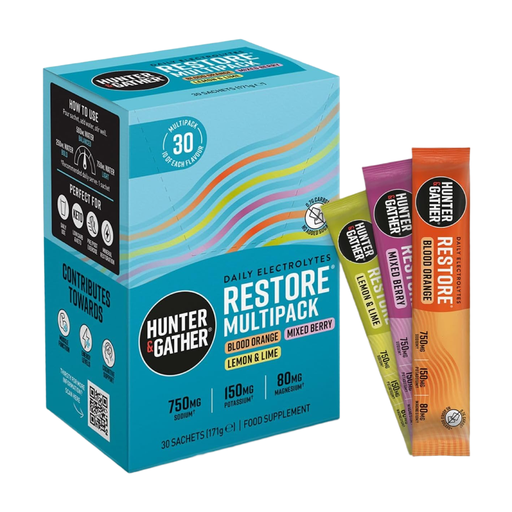
Why This Fits Their Persona: Suitable for shoppers prioritising a short ingredient list, multiple flavours and dietary compatibility for everyday use or travel.
It provides stated amounts of 750mg sodium, 150mg potassium and 80mg magnesium, without stevia or sucralose in the listed variety-box formula.
30 individual sachets; Blood Orange, Mixed Berry and Lemon & Lime options; vegan, gluten-free and dairy-free positioning.
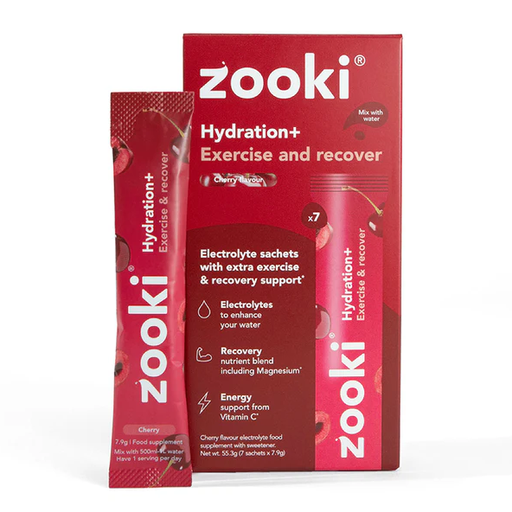
Why This Fits Their Persona: Designed for adults comparing a wider mineral profile and additional ingredients for demanding exercise sessions.
The nutrition panel states 1,000mg sodium, 200mg potassium, 100mg magnesium and 50mg calcium per sachet, so the mineral content is easy to assess.
Includes L-glutamine, beetroot powder and vitamin C; zero sugar; vegan, dairy-free and gluten-free positioning.
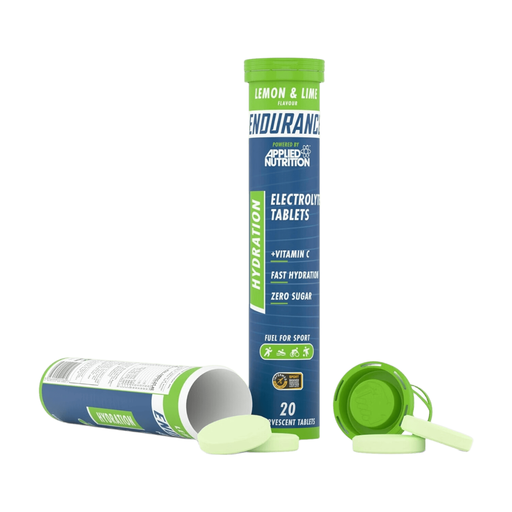
Why This Fits Their Persona: A tube of effervescent hydration tablets is practical for cyclists, gym users and travellers who prefer tablets over powder.
The serving instructions specify one tablet in 200–500ml of water, with clearly stated mineral and calorie values.
Zero sugar; 6 calories per tablet; includes sodium, potassium, calcium, magnesium and vitamin C; vegan-friendly positioning.
We have compiled a complete, real-time list of products that fully satisfy these strict selection criteria and UK safety regulations.
They can be convenient during flights, long car journeys, hot weather or active sightseeing, but plain water and a balanced diet remain important. Choose portable hydration sachets or tablets with a flavour and serving size you will actually use.
Not necessarily. Compare the cost per prepared serving, not just the pack price. A 20-tablet tube, 30-sachet box and 7-stick trial pack provide different numbers of servings, and preparation volumes may vary.
Unopened products should be stored according to the label and used before the stated best-before date. After preparation, follow the instructions carefully; some products advise consuming the drink within 24 hours. Reseal effervescent tubes promptly to reduce exposure to moisture.