
24/7 Customer Support

Free returns

Same-day & Next-day Delivery

Quality Guaranteed

Unlock Your Welcome Offers: FREE Delivery | Up to 80% OFF | Free 30-day JoyPlus trial
Download the APP
Whether you are training at the gym, travelling across the UK or simply trying to drink more water during a busy day, electrolyte hydration supplements can offer a convenient way to add minerals to your drinks. However, colourful packaging and broad wellness claims can make comparison difficult.
The right choice depends less on fashionable ingredients and more on electrolyte quantities, serving instructions, dietary suitability and portability. This guide explains the practical details to check before buying, followed by our top recommendations for different routines.
An electrolyte drink may taste refreshing but contain only modest quantities of sodium, potassium or magnesium. Check the nutrition panel rather than relying on terms such as “advanced hydration” or “performance blend”.
For context, the Cadence Core Hydration drinks provide 1.25g of salt, 190mg of potassium and 30mg of magnesium per 330ml bottle. This makes the label more useful than the front-of-pack language when comparing products.
Zero-sugar electrolytes can suit people limiting sugar or calories, but sweeteners, acids and flavourings still affect taste and tolerance. Some powders use sucralose or steviol glycosides, while others use monk fruit. If you have dietary sensitivities, inspect the full ingredients list and allergen information.
Also check whether “low sugar” refers to the whole serving or only a smaller portion. A product intended to be mixed into 500ml may taste very different if diluted into 1 litre.
A large tub may offer a lower cost per serving but is less convenient for flights, commuting or outdoor activities. Conversely, hydration sachets and electrolyte tablets are portable, but you need access to water and should follow the stated dilution instructions.
Do not assume a product is suitable for children, pregnancy, medication use or a health condition. Food supplements should not replace a varied diet, and the product label should always take priority.
Sodium is particularly relevant after prolonged sweating, but a balanced formula may also include potassium, magnesium, calcium and chloride. Compare the amount per serving, not just the number of ingredients listed.
For example, Applied Nutrition Effervescent Electrolyte Tablets Orange provide 332mg sodium, 300mg potassium, 100mg calcium and 50mg magnesium per tablet. The Lemon & Lime version lists 270mg sodium, 100mg potassium, 15mg calcium and 25mg magnesium per tablet, so flavour variants may not be nutritionally identical.
A hydration powder may require 200ml, 300–500ml or 500–1,000ml of water. The quantity changes both concentration and flavour. Check:
A creatine and electrolytes product should be assessed separately from a standard electrolyte drink because it includes an additional sports-nutrition ingredient and may not suit every user.
People seeking a vegan hydration supplement should check for vegan or vegetarian suitability rather than assuming it from the packaging. Some products also specify gluten-free, dairy-free, Halal or Informed-Sport status.
Caffeine deserves particular attention. ViDrate Boost Guava contains 90mg caffeine per 3g sachet, with a maximum of two sachets daily stated on the product information. This may suit daytime use but is less appropriate for users avoiding caffeine or drinking it late in the day.
For topical hydration, do not confuse a vitamin hydration drink with a hydrating toner, hyaluronic acid essence or other Korean skincare product. Drinks are consumed; toners and essences are applied to the skin and should be assessed through their cosmetic ingredients and usage instructions.
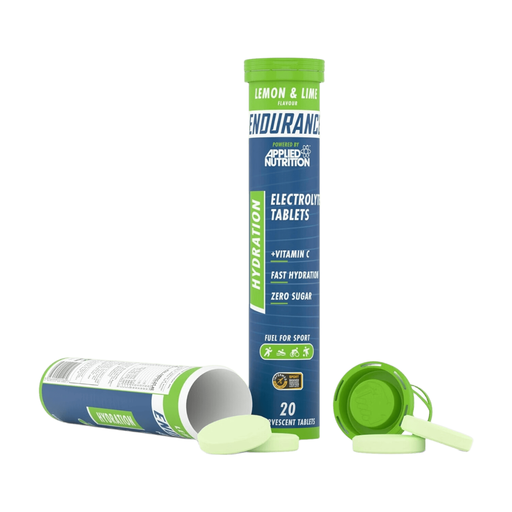
Why This Fits Their Persona: A tube of 20 tablets is straightforward for gym sessions, commuting and occasional travel, without requiring a large tub of powder.
The label gives quantities per tablet, including 270mg sodium and 25mg magnesium, rather than relying only on general hydration wording.
Zero sugar, 6 calories per lemon and lime tablet, and a dissolvable format suitable for vegan and vegetarian diets.
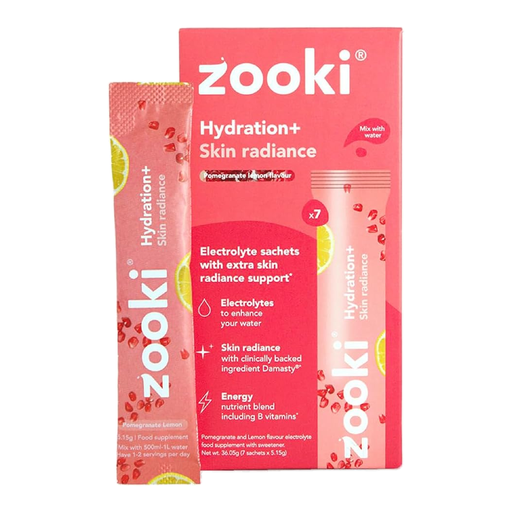
Why This Fits Their Persona: Designed for shoppers who want single-serve electrolyte sachets with added vitamins and a skin-focused positioning.
The sachet lists 650mg sodium, 200mg potassium, 100mg magnesium and 50mg calcium per serving, alongside its vitamin content.
Zero sugar, vegan suitability and 20 individual 5.1g sachets for measured preparation.
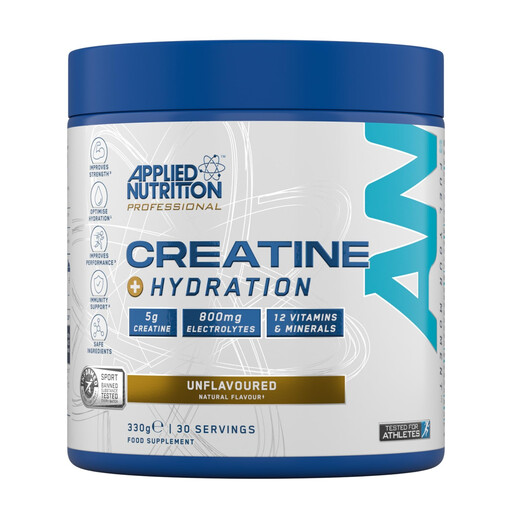
Why This Fits Their Persona: Suitable for adults already including creatine in a structured sports-nutrition routine and wanting one unflavoured powder for mixing.
It clearly separates creatine, electrolytes, vitamins and other ingredients, helping shoppers avoid treating it as an ordinary hydration powder.
Unflavoured, 330g format with creatine monohydrate, sodium, potassium, magnesium and calcium.
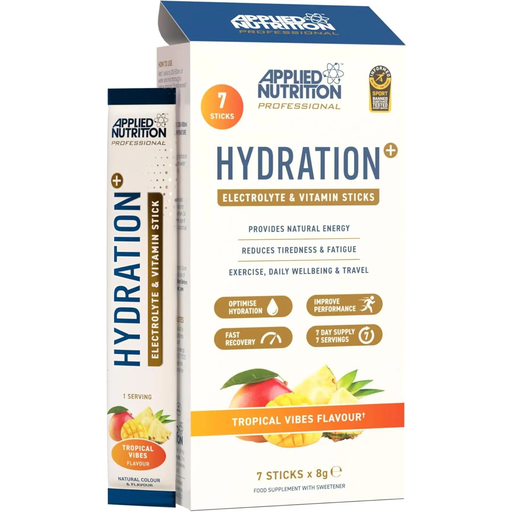
Why This Fits Their Persona: Individual sticks are easy to keep in a work bag, hand luggage or gym kit for measured preparation away from home.
Each stick has a stated 8g serving and a recommended 200–500ml water range, reducing guesswork when preparing a drink.
Zero sugar, vegan and gluten-free details supplied, with potassium, magnesium, calcium and sodium listed.
Not always. Water is generally suitable for routine fluid intake. Electrolytes may be more relevant after substantial sweating, extended exercise, hot-weather activity or travel. Compare the product’s sodium and total mineral content with your actual routine rather than taking a supplement simply because it is marketed for daily wellness.
The cost depends on servings per pack and the recommended daily amount. A tub can offer more servings, while tablets and sachets may reduce waste and improve portability. Calculate the cost per prepared serving, including the volume of water required, before comparing pack prices.
Yes, but they serve different purposes. An electrolyte drink is consumed, while a hydrating toner or hyaluronic acid essence is applied after cleansing. For example, Beauty Of Joseon Ginseng Essence Water, Isntree Hyaluronic Acid Water Essence and Dr. Althea Anastatica Skin Conditioning Toner are topical Korean skincare options with ingredients such as glycerin, panthenol and hyaluronic acid. Follow each product’s external-use directions, avoid the eye area and patch test if your skin is sensitive. Always check the current packaging, ingredients and warnings before use.