
24/7 Customer Support

Free returns

Same-day & Next-day Delivery

Quality Guaranteed

Unlock Your Welcome Offers: FREE Delivery | Up to 80% OFF | Free 30-day JoyPlus trial
Download the APP
Whether you run before work, train at the gym, travel frequently or spend long days outdoors, electrolyte hydration supplements can be a convenient way to add minerals to your water. However, not every electrolyte powder, tablet or ready-to-drink option suits every routine.
The Joybuy Product Recommendation Officer’s guide focuses on the details that are easy to overlook, from sodium levels and serving instructions to caffeine, sugar and portability.
A large headline figure may sound impressive, but check which minerals contribute to it. Sodium is particularly relevant after heavy sweating, while potassium, magnesium, calcium and chloride may also appear in the formula. Two products with similar “total electrolytes” can have very different mineral profiles.
Always compare the per-serving nutrition panel, rather than relying on front-of-pack wording.
Sugar-free electrolytes may suit people managing calorie intake, but sweeteners and other ingredients still matter. Some products use stevia, monk fruit or sucralose; others contain sorbitol, which may have a laxative effect when consumed in excess.
If you follow a vegan, vegetarian, Halal, gluten-free or dairy-free diet, check the product label and allergen information. Suitability can vary between flavours and product formats.
Some energy hydration drinks contain caffeine, which may be useful before a busy day or training session but unsuitable late in the evening. For example, fourfive Hydro Plus Focus & Energy provides 80mg of caffeine per serving, while ViDrate Boost provides 90mg per sachet.
Do not stack caffeinated hydration products with coffee, energy drinks or other caffeine supplements without checking your total intake. Follow the stated maximum daily serving and read warnings carefully.
For sports hydration, compare the amount of sodium, potassium, magnesium and calcium per serving. As a guide to the range available:
These figures are not directly interchangeable because serving sizes and intended use differ. A high-sodium formula may be more appropriate for prolonged, sweaty exercise, while a lighter blend may work for ordinary daily hydration.
For low-calorie hydration, check both sugar and total energy. Several options provide little or no sugar:
Some products also include vitamins, amino acids, coconut water powder, taurine or caffeine. These extras can be useful if they match your routine, but they may add complexity or create unnecessary overlap with other supplements.
An electrolyte powder or electrolyte sachets are easy to store in a work bag, gym kit or suitcase. Check how much water is required: products may be designed for 200ml, 300–500ml or 500–1,000ml.
Electrolyte tablets are convenient for travel and controlled portioning, but they need time to dissolve. Ready-made hydration drinks are immediately usable, although bottles are heavier to carry and may create more packaging waste.
For UK runners, cyclists and commuters, single-serve sachets can simplify measuring. A larger tub may offer more servings for regular gym use, provided it can be sealed securely and stored somewhere cool and dry.
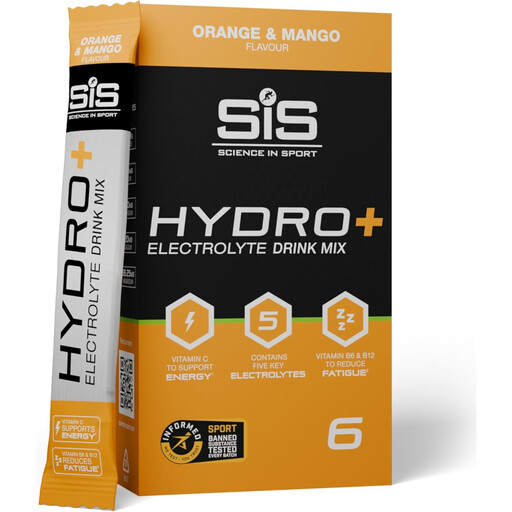
Why This Fits Their Persona: Six single-serve sachets provide a straightforward way to try hydration powder for gym sessions, runs or occasional hot-weather use without committing to a larger container.
The label states the quantity of each key mineral per 4.3g sachet, avoiding reliance on a single combined electrolyte figure.
Each sachet supplies 350mg sodium, 300mg potassium, 120mg calcium and 56.25mg magnesium, plus vitamins C, B6 and B12.
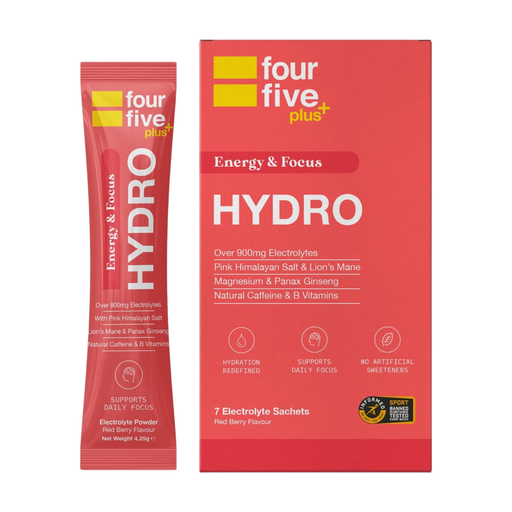
Why This Fits Their Persona: It suits adults who want hydration alongside a measured caffeine serving for early training, commuting or demanding workdays.
The caffeine content is clearly stated at 80mg per serving, making it easier to account for alongside coffee and other caffeinated products.
Provides over 900mg of core electrolytes, 14 calories per serving and zero added sugar. It also contains L-theanine and B vitamins.
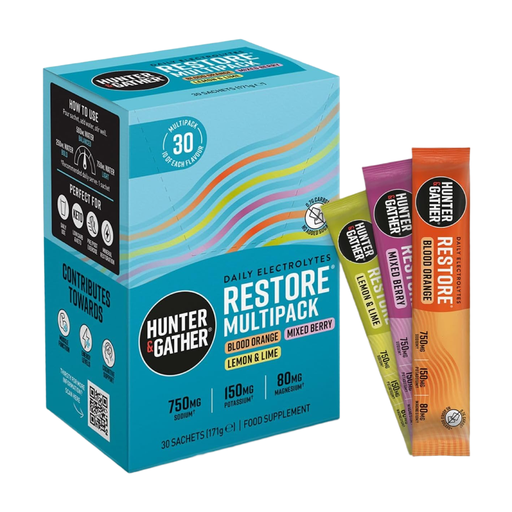
Why This Fits Their Persona: The 30-sachet box works for frequent runners, outdoor workers, travellers and people who prefer to keep individual servings in several bags.
It lists 750mg sodium, 150mg potassium and 80mg magnesium per sachet, while the variety box offers three flavours rather than one large single-flavour supply.
The formula is sugar-free, vegan and individually packed. Water can be adjusted from approximately 500ml to 1,000ml to change the flavour strength.
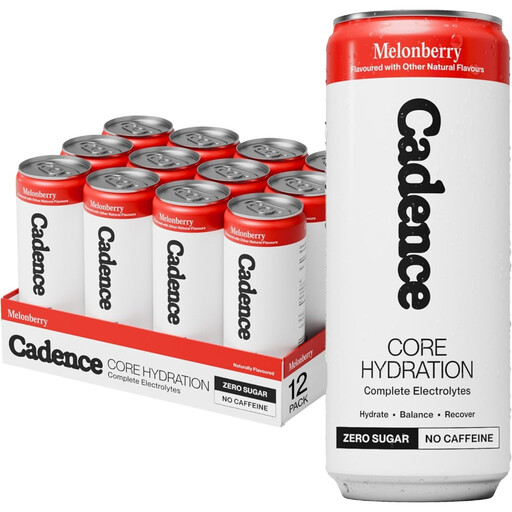
Why This Fits Their Persona: A ready-made bottle is practical for office fridges, post-gym use, commuting and days when mixing a powder is inconvenient.
The nutrition panel gives the figures for the full 330ml serving, including zero sugar, 5 calories, 190mg potassium and 30mg magnesium.
It is a 12-pack of 330ml carbonated drinks with melonberry flavour and a sodium citrate, potassium citrate and magnesium citrate blend.
Food supplements should be used as part of a balanced diet and healthy lifestyle. They do not replace ordinary fluids, meals or medical advice. If you have kidney, heart or blood-pressure conditions, take medication, are pregnant or breastfeeding, check with a healthcare professional before using high-sodium or caffeinated products. Always follow the label supplied with the product.
We have compiled a complete, real-time list of products that fully satisfy these strict selection criteria and UK safety regulations.
They can be suitable for adults when used according to the product’s directions, but not everyone needs added electrolytes every day. For ordinary sedentary days, water and a balanced diet may be sufficient. Electrolytes are more relevant to personal circumstances such as sweating, exercise, heat or travel. Check the serving limit, sodium content and any caffeine before regular use.
Unopened products should remain usable until the best-before date shown on the packaging when stored as directed. Keep powders dry, cool and away from direct sunlight. Once mixed, follow the label’s instructions; some products advise consuming the drink promptly, while others specify use within 24 hours.
Sugar-free electrolytes may suit people seeking low-calorie hydration, but they do not provide carbohydrate fuel. For longer or particularly demanding exercise, consider whether you also need food or a separate carbohydrate drink. Compare sodium and mineral amounts, and avoid exceeding the recommended daily intake.