
24/7 Customer Support

Free returns

Same-day & Next-day Delivery

Quality Guaranteed

Unlock Your Welcome Offers: FREE Delivery | Up to 80% OFF | Free 30-day JoyPlus trial
Download the APP
Electrolyte hydration supplements can be useful when you want a convenient drink for training, travel, hot weather or a busy day. However, colourful sachets and performance-focused wording do not always tell you what is actually in the serving.
The main buying traps are easy to miss:
A sensible choice starts with the nutrition panel, serving instructions and intended use—not the front of the packet.
For hydration during exercise, look for clear quantities of sodium, potassium and magnesium. Sodium is particularly relevant to people who sweat heavily, while potassium and magnesium are commonly included in electrolyte drink mix formulas.
The amount should be assessed alongside the water volume. One sachet mixed into 500ml is not directly comparable with one tablet mixed into 200ml. A product with 750mg sodium per sachet will also taste considerably saltier than a lighter daily hydration formula.
For everyday use, a moderate mineral profile may be more comfortable. For long runs, outdoor work or hot-weather activity, you may prefer a product that clearly states higher sodium and total electrolyte quantities. Do not automatically assume that more is suitable; check the label and follow the stated dosage.
Some hydration sachets are also positioned as energy or focus products. Caffeine may be useful for some adults but is not appropriate for everyone. The products below include examples with 80mg or 90mg caffeine per serving, while others are caffeine-free.
Review the ingredient list for:
If you are pregnant, breastfeeding, taking medication, managing a medical condition or are sensitive to caffeine, seek advice from a healthcare professional before using a supplement. Food supplements should not replace a varied diet.
An electrolyte powder or hydration stick pack is convenient for gym bags, commuting and travel, but check how much water it requires. Some sachets work with 300–500ml, while others are intended for 750–1,000ml.
Rehydration tablets are useful if you prefer a compact tube and effervescent preparation. Powder sachets generally offer more flexibility with flavour strength, while tablets can be easier to store in a desk drawer or suitcase.
Also compare:
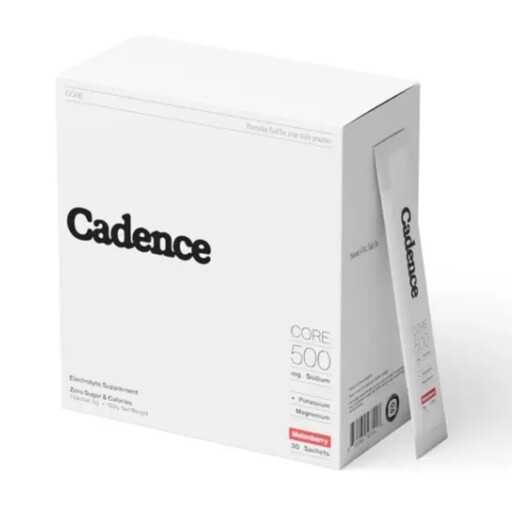
Why This Fits Their Persona: A 30-sachet format gives regular gym users, walkers and commuters a straightforward way to try daily electrolyte hydration without buying a large tub.
The label states 500mg sodium, 200mg potassium and 20mg magnesium per 5g sachet, with no sugar listed per serving.
Single-serve packaging, stevia sweetening and a melonberry flavour designed for use during or after activity.
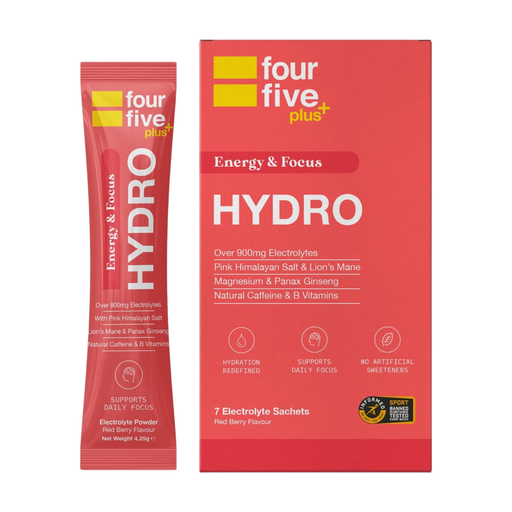
Why This Fits Their Persona: Suitable for adults wanting electrolytes alongside a measured caffeine and vitamin blend for training, work or travel.
The product makes its caffeine content clear: 80mg per serving. It also lists the electrolyte quantities and 14 calories per serving.
Contains sodium, potassium, magnesium and calcium, plus a broad vitamin B blend. Follow the one-scoop maximum daily dose.
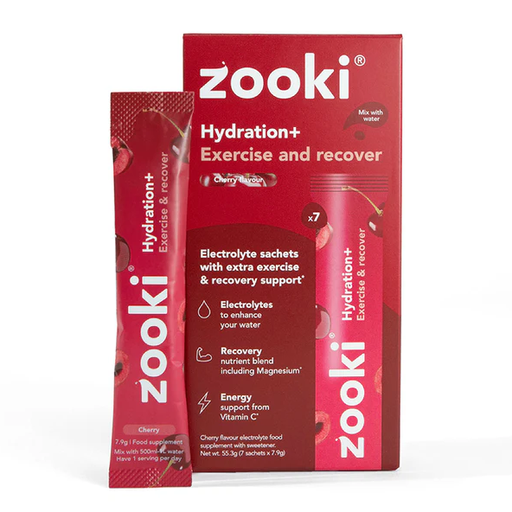
Why This Fits Their Persona: A practical option for runners, gym users and people doing sweat-intensive training who want a more substantial electrolyte drink mix.
The serving panel states 1,000mg sodium, 200mg potassium, 100mg magnesium and 50mg calcium per sachet.
Includes L-glutamine and vitamin C, with zero sugar listed per sachet. Mix with 500–1,000ml of water according to taste.
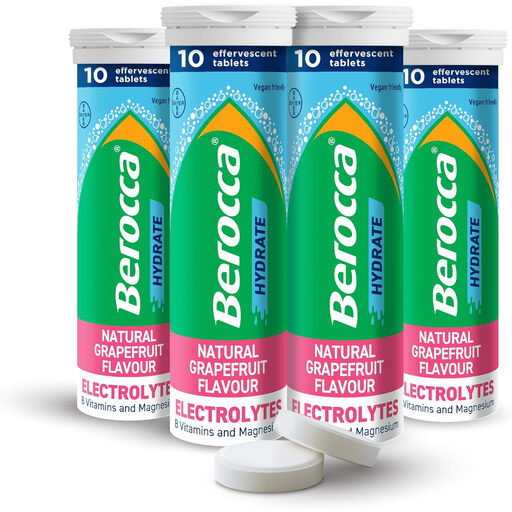
Why This Fits Their Persona: A caffeine-free tablet format for adults who prefer vegan, gluten-free and sugar-free hydration support at home, work or while travelling.
The label identifies the product as caffeine-free and states vegan, gluten-free and sugar-free dietary attributes.
Effervescent tablets dissolve in water and provide electrolytes, glucose and B vitamins in a 40-tablet pack.
We have compiled a complete, real-time list of products that fully satisfy these strict selection criteria and UK safety regulations.
They can be, provided the product is suitable for you and you follow the stated serving size. Everyday use is not automatically necessary for everyone. Water and a balanced diet may be sufficient for ordinary low-sweat activities, while electrolyte products are more relevant to exercise, heat exposure or prolonged activity.
Shelf life varies by product and batch. Check the Best Before End, storage instructions and packaging condition. Keep powders and tablets sealed in a cool, dry place away from humidity. Once mixed, consume the drink according to the product directions rather than storing it for extended periods.
Some are, but “sugar-free” does not always mean zero carbohydrate or zero calories. Check the nutrition panel and sweetener list. Products containing caffeine, creatine, vitamins or herbal ingredients should also be assessed separately if you follow a specific diet or take other supplements.