
24/7 Customer Support

Free returns

Same-day & Next-day Delivery

Quality Guaranteed

Unlock Your Welcome Offers: FREE Delivery | Up to 80% OFF | Free 30-day JoyPlus trial
Download the APP
If you regularly train, run, travel or work long hours, an electrolyte hydration powder can be a practical alternative to bottled sports drinks. Single-serve sachets and tubs are easy to store, mix quickly and let you control the amount of water used.
However, colourful packaging and phrases such as “advanced hydration” do not tell you whether a product suits your routine. The useful details are usually found in the nutrition panel, ingredients list and directions.
Some products combine electrolytes with BCAAs, creatine, vitamins, caffeine, amino acids or plant extracts. That may be useful for a particular training goal, but it can also make a product more expensive and less suitable for simple daily hydration.
A BCAA hydration powder, for example, is primarily an amino-acid supplement with electrolytes. A creatine and electrolyte powder is designed around daily creatine intake as well as fluid support. Neither is automatically the right choice for a short walk, office day or casual gym session.
A sugar-free electrolyte powder may still contain sweeteners, flavourings or a relatively high sodium content. Conversely, a low-calorie hydration drink may provide only modest electrolyte quantities.
Check the figures per serving rather than relying on the front of the pack. Look for energy, sugars, sodium, potassium and magnesium, and note whether “salt” is listed instead of sodium. These are not interchangeable figures: salt contains sodium, but the label may display both.
Hydration powder with caffeine can be useful before a demanding workout or during a busy day, but it is not suitable for everyone. Caffeine may also be hidden in terms such as coffee extract or natural caffeine.
Check the caffeine amount per sachet or scoop, the maximum daily serving and whether other drinks or supplements will contribute to your daily intake. Products containing caffeine generally include specific warnings, particularly for children, pregnancy and caffeine-sensitive users.
Sodium is particularly relevant when substantial sweating occurs, while potassium and magnesium are commonly included in sports hydration formulas. There is no single electrolyte profile for every user.
For everyday hydration, a lighter formula may be more comfortable. For endurance exercise, outdoor activities or hot conditions, compare the actual sodium figure per prepared serving. A product offering 750mg sodium, 150mg potassium and 80mg magnesium per sachet, for instance, has a different use case from one providing 120mg sodium, 80mg potassium and 25mg magnesium.
Do not take additional electrolyte products automatically. People managing blood pressure, kidney conditions, heart conditions or medication use should seek medical advice before using higher-sodium supplements.
A serving may be a 3g sachet, a 5g stick, an 8g scoop or a 10g scoop. Water volume also varies, commonly from 200ml to 700ml.
This affects taste and concentration. A powder intended for 500ml may taste overly strong if mixed into a small glass. For portable hydration sachets, check whether the recommended bottle size suits your usual kit, gym bag or travel flask.
Choose based on what you need, not how many ingredients appear on the label.
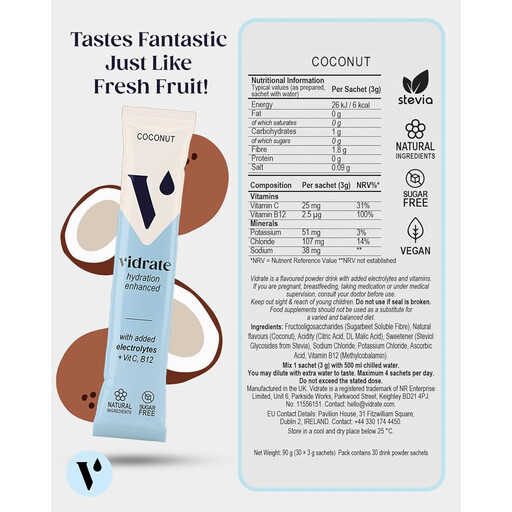
Why This Fits Their Persona: A compact starter pack for adults trying electrolyte drink powder without committing to a large tub. Each sachet is designed for 500–700ml of water.
The label provides per-sachet values, including 0g sugar, 2 kcal, 120mg sodium, 80mg potassium and 25mg magnesium.
Zero-sugar formula, vitamin C and methylcobalamin, plus individually wrapped 3g sachets.
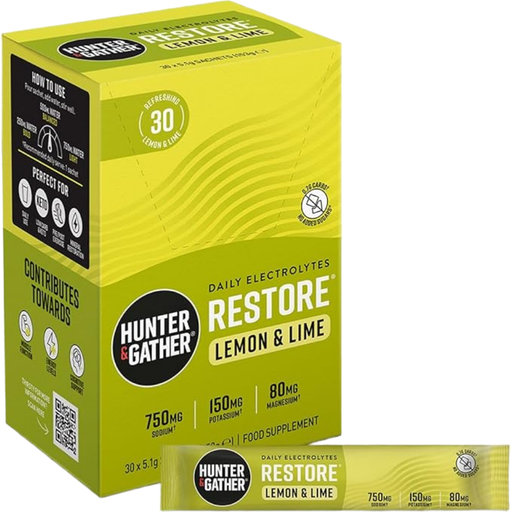
Why This Fits Their Persona: A 30-sachet format for adults who want a clearly portioned daily routine for training, travel or low-sugar lifestyles.
The product lists 750mg sodium, 150mg potassium and 80mg magnesium per sachet rather than relying only on broad hydration language.
Zero added sugar, monk fruit sweetener and single-use sachets. The label indicates vegan, gluten-free and dairy-free suitability.
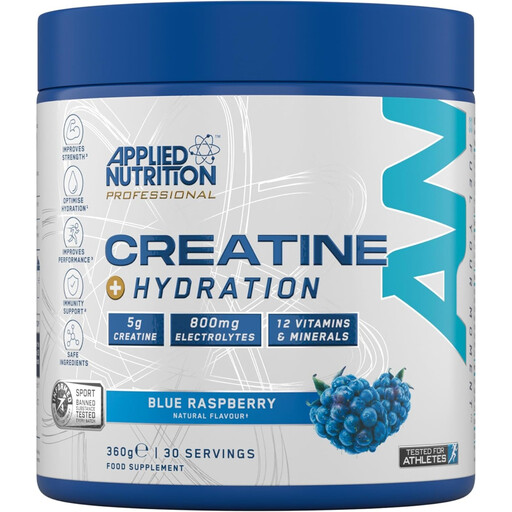
Why This Fits Their Persona: Intended for adults whose regular fitness plan already includes creatine and who want it combined with a flavoured sports drink powder.
The serving panel states 5,000mg creatine monohydrate alongside sodium, potassium, magnesium and calcium quantities.
360g tub format, 12g serving size and added vitamins, taurine and coconut water powder. It is not suitable for under-18s, pregnancy or breastfeeding.
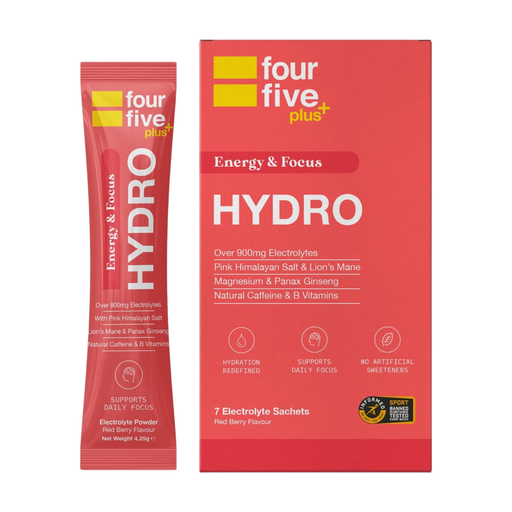
Why This Fits Their Persona: A sachet format for adults who want hydration with caffeine during workdays, commuting or selected training sessions.
It states more than 900mg of core electrolytes and 80mg caffeine per serving, making the stimulant content easier to account for.
Includes L-theanine, B vitamins and a stated 14 calories per serving. Avoid if caffeine is unsuitable for you.
We have compiled a complete, real-time list of products that fully satisfy these strict selection criteria and UK safety regulations.
Follow the product label rather than using a standard glass size. Many hydration sachets require 500ml of water, while some formulas specify 200–300ml or 300–500ml. Shake or stir until dissolved, and do not consume dry powder.
Calculate the number of servings on the pack against your planned use. A 360g tub used at 12g per day provides approximately 30 servings, while a seven-sachet box is intended for seven labelled servings. Reseal tubs and store all powders in a cool, dry place.
It depends on usage. Sachets generally offer convenience and precise portions for travel, races and commuting. A larger tub may reduce the cost per serving for frequent gym users, but only if the additional ingredients and serving size match your needs. Always compare price per prepared serving, not just the pack price.
Check the current product label before consumption, particularly if you have an allergy, take medication or are considering caffeine or higher-sodium products.