
24/7 Customer Support

Free returns

Same-day & Next-day Delivery

Quality Guaranteed

Unlock Your Welcome Offers: FREE Delivery | Up to 80% OFF | Free 30-day JoyPlus trial
Download the APP
Electrolyte hydration powder sachets are a convenient way to mix a flavoured drink at work, while travelling or around a training session. However, attractive packaging and claims such as “complete hydration” do not always tell you whether a product suits your needs.
Before buying an electrolyte powder, check the actual serving information, ingredients and recommended use. The right choice depends on how much you sweat, whether you want sugar-free electrolytes, and whether you need a straightforward electrolyte drink mix or added ingredients such as caffeine, creatine, amino acids or vitamins.
Some hydration sticks contain only modest amounts of minerals, while others provide a more substantial sodium, potassium or magnesium profile. A pleasant taste does not indicate electrolyte content. Compare the quantities per sachet, not only the values per 100g.
A product marketed for energy and focus hydration may contain caffeine from coffee or green tea. This can be unsuitable late in the day or for people who are caffeine-sensitive. Other products include creatine, herbal extracts, amino acids or high-dose vitamins. These ingredients may be useful for a particular routine, but they also make the formula less straightforward and increase the need to read the label carefully.
Sugar-free electrolytes may use stevia, sucralose or monk fruit extract. These sweeteners have different tastes and may not suit every consumer. Also, “low sugar” and “zero sugar” are not interchangeable, so check the nutrition panel rather than relying on the front of the pack.
Sodium is particularly relevant after prolonged, sweaty exercise, but more is not automatically more suitable. For example, Cadence Core Hydration Sachets provide 500mg sodium, 200mg potassium and 20mg magnesium per 5g sachet. Science in Sport Hydro+ lists 350mg sodium, 300mg potassium, 56.25mg magnesium and 120mg calcium per serving.
Products with higher sodium content may suit endurance sessions or hot-weather activity, but consumers managing high blood pressure, kidney conditions or a medically advised low-sodium diet should seek medical advice before use. Always account for electrolytes and vitamins from other supplements.
A sachet designed for 500ml of water will taste and function differently from one intended for 200–500ml or up to 1 litre. Follow the product’s preparation instructions. Using less water can make a salty or sweet flavour more concentrated, while extra water creates a lighter drink.
Single-use sachets and stick packs are convenient for gym bags, commutes and flights. Larger boxes, such as 20- or 30-serving packs, may offer a practical supply for regular users, while a seven-sachet box can be useful when you want to assess flavour and tolerance first.
Check for:
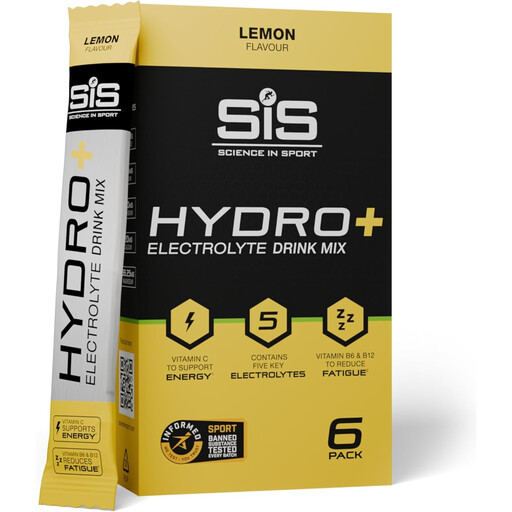
Why This Fits Their Persona: The six-sachet format is a manageable starting point for runners, gym-goers or travellers who want to try a straightforward electrolyte powder without committing to a larger box.
The label provides per-serving quantities for sodium, potassium, magnesium and calcium, rather than relying only on broad hydration language.
One sachet mixes with 500ml of cold water and supplies vitamin C, B6 and B12 alongside four electrolytes.
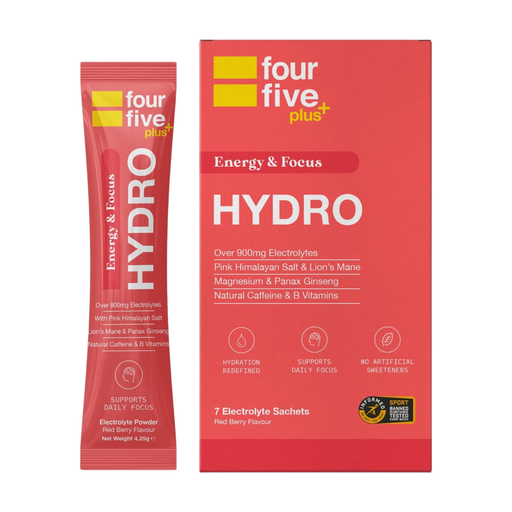
Why This Fits Their Persona: This option combines hydration with a stated 80mg caffeine serving for adults who want a drink for training, busy working days or focus-oriented routines.
The caffeine quantity is stated clearly, helping shoppers avoid accidentally selecting a stimulant-containing product for evening use.
The formula lists sodium, potassium, magnesium, calcium and chloride, with no added sugar and 14 calories per serving.
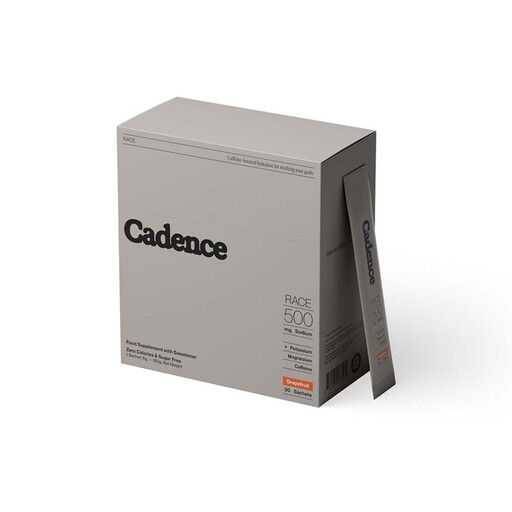
Why This Fits Their Persona: Endurance runners and people completing long, sweaty sessions may prefer a 30-pack with 500mg sodium per sachet and a grapefruit flavour designed for mixing during exercise.
It identifies sodium, potassium, magnesium and caffeine per 5g sachet, rather than presenting the product as a generic sports hydration powder.
Each serving contains 500mg sodium, 200mg potassium, 20mg magnesium and 100mg caffeine; it contains no sugar.
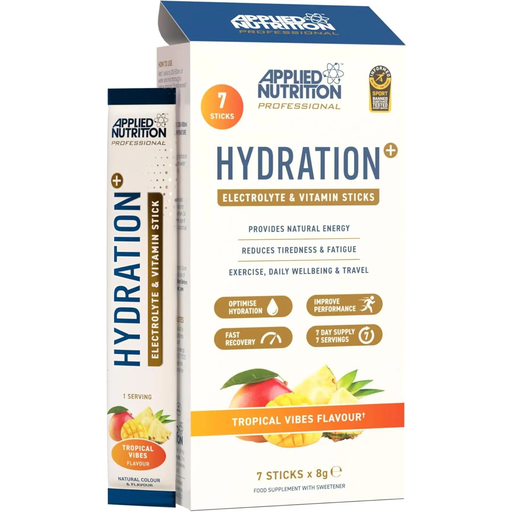
Why This Fits Their Persona: Individual sticks are easy to pack for holidays, commutes and gym visits, while the product information lists vegan, gluten-free and dairy-free suitability.
The nutrition panel specifies 153mg sodium, 403mg potassium, 133mg magnesium and 380mg calcium per 8g stick, plus zero sugar.
The formula includes coconut water powder, taurine, seven vitamins and a single-stick daily serving instruction.
We have compiled a complete, real-time list of products that fully satisfy these strict selection criteria and UK safety regulations.
They can be used as directed by healthy adults, but plain water and a balanced diet remain important. Daily use may be unnecessary for light activity, so choose a product according to sweating, exercise duration and dietary needs.
Follow the product label. Many powders specify approximately 500ml, while some allow 500–1,000ml. More water usually produces a milder taste, but changing the volume does not alter the total amount of electrolytes in that sachet.
Yes. Check the best-before date and store the product in a cool, dry place. Opened bulk powders can absorb moisture, so reseal the pouch promptly. Individual sachets should remain sealed until use.
Food supplements should be used as part of a balanced diet and healthy lifestyle. Always read the current product label, dosage instructions, warnings and allergen information before use.