
24/7 Customer Support

Free returns

Same-day & Next-day Delivery

Quality Guaranteed

Unlock Your Welcome Offers: FREE Delivery | Up to 80% OFF | Free 30-day JoyPlus trial
Download the APP
Whether you're pushing for a new personal best at the gym, training for a marathon or simply trying to stay properly hydrated throughout a busy day, you've likely considered an electrolyte powder. The UK market is filled with options, from simple rehydration sachets to complex post-workout recovery formulas. But with so much choice, it's easy to fall into common traps and end up with a product that's either ineffective or unsuited to your needs.
As a Joybuy Product Recommendation Officer, my role is to help you navigate the marketing jargon. Before you buy, let's look at the frequent pitfalls that UK shoppers encounter and how to sidestep them.
To ensure you're getting a product that works for you, focus on these core parameters. This will help you find the right hydration powder for your specific goals, whether it's for daily wellness or as a dedicated running hydration supplement.
Electrolytes are minerals that carry an electric charge and are vital for nerve function, muscle contractions and fluid balance. When you sweat, you lose them, and they need replacing.
Look for a formula where sodium and potassium are the primary electrolytes. The exact amounts you need will depend on your activity level and how much you sweat, but a balanced profile is the foundation of any good sports hydration drink.
The ideal sugar content depends entirely on your use case.
Many electrolyte powders include extra ingredients to offer benefits beyond simple hydration.
By understanding these factors, you can look past the marketing claims and choose a product based on its formulation and suitability for your lifestyle.
Here are a few options that align with different user needs, helping you avoid the common purchasing pitfalls.
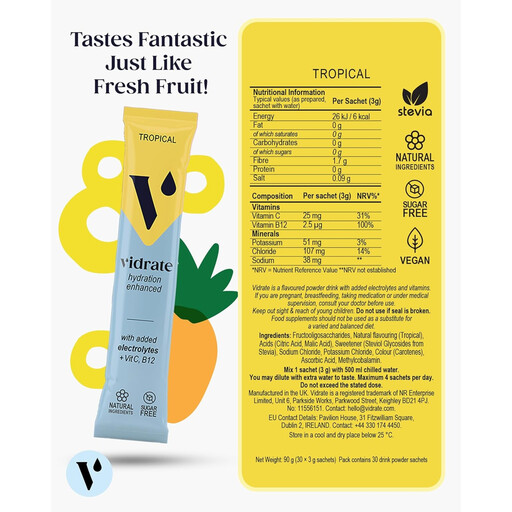
Why This Fits Their Persona: Ideal for office workers, commuters or those looking to make their daily water intake more enjoyable. The single-serve sachets are highly portable for use on the go, and the focus is on taste and general wellness rather than intense athletic performance.
This product directly counters the "Zero Sugar" trap by using stevia, a natural plant-based sweetener, and is explicitly formulated to be zero sugar and low-calorie, making it a genuinely light option without hidden sugar alcohols.
Contains added Vitamin C and B12 to support daily vitality and metabolism. The individual sachet format is convenient and ensures a fresh drink every time.
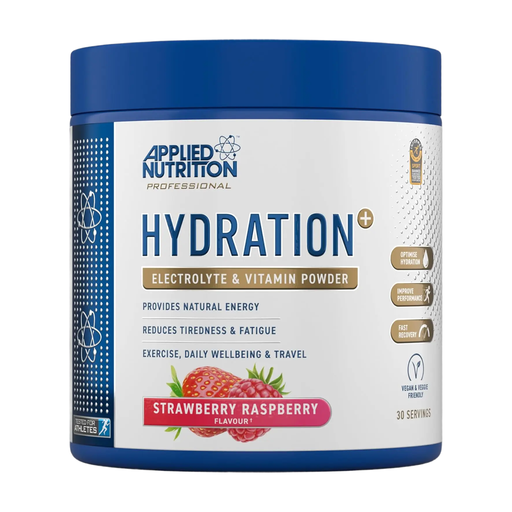
Why This Fits Their Persona: Designed for runners, cyclists and anyone engaged in prolonged physical activity. The formula is built to replenish a wide range of electrolytes lost through heavy sweating, helping to maintain performance and reduce fatigue over longer durations.
This product avoids the imbalanced electrolyte pitfall by providing a comprehensive profile, including 403mg of Potassium and 133mg of Magnesium per serving, alongside sodium and calcium. It also includes coconut water powder to further support hydration.
Features a full B-vitamin complex to support energy production and contains 2000mg of Taurine per serving, an amino acid that can aid in hydration and electrolyte regulation at a cellular level.
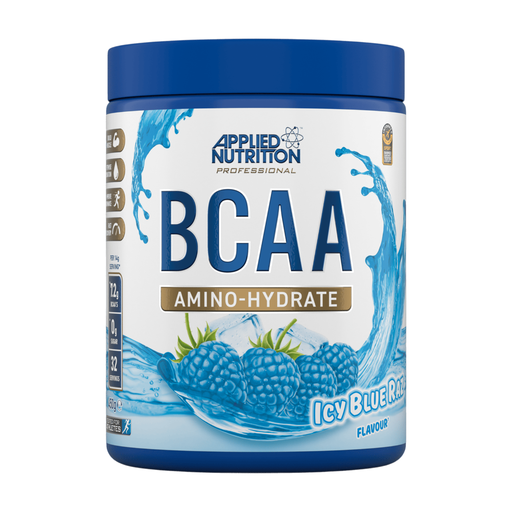
Why This Fits Their Persona: Perfect for individuals engaged in resistance training or HIIT workouts who prioritise muscle repair and reduced soreness. This formula combines hydration with a significant dose of amino acids for a dual-purpose intra- or post-workout drink.
This product avoids the "vague performance blend" pitfall by clearly stating its BCAA content and ratio. It delivers a substantial 8g of amino acids per serving in a 2:1:1 ratio, which is a well-regarded balance for supporting muscle protein synthesis.
It's a 2-in-1 product, serving as both a hydration powder and a BCAA supplement, which can be more convenient and cost-effective than buying two separate products. The formula is also sugar-free.
We have compiled a complete, real-time list of products that fully satisfy these strict selection criteria and UK safety regulations.
1. Can I drink electrolyte powder every day? For most healthy adults, using a low-sugar or zero-sugar electrolyte powder for daily hydration is generally fine, especially if you have an active lifestyle, work in a hot environment or simply struggle to drink enough plain water. However, it's always wise to follow the product's recommended dosage and consume it as part of a balanced diet. If you have any underlying health conditions, particularly concerning kidney function or blood pressure, consult a healthcare professional first.
2. What is the difference between a sports hydration drink and rehydration sachets from a chemist? While both contain electrolytes, they are designed for different purposes. Rehydration sachets (oral rehydration solutions) are typically formulated according to World Health Organisation guidelines to treat dehydration caused by illness, such as diarrhoea or vomiting. They contain a specific ratio of glucose and electrolytes for rapid fluid absorption in a medical context. A sports hydration drink is designed to replace fluids and electrolytes lost through sweat during exercise. It may contain different types of carbohydrates for energy and other ingredients like amino acids to support athletic performance.
3. How much sugar is too much in an electrolyte powder? This depends on your goal. For daily hydration, aim for a product with 0g or very few grams of sugar per serving. For endurance exercise, a drink with 6-8% carbohydrate concentration (6-8g of carbs per 100ml of water) is often suggested to provide energy without causing stomach issues. Always check the "per serving" nutrition information, as a large tub might seem low in sugar "per 100g" but deliver a high amount in a single recommended scoop.