
24/7 Customer Support

Free returns

Same-day & Next-day Delivery

Quality Guaranteed

Unlock Your Welcome Offers: FREE Delivery | Up to 80% OFF | Free 30-day JoyPlus trial
Download the APP
Electrolyte hydration supplements can be useful when you want a portable drink mix for long training sessions, hot weather or travel. However, the product with the most impressive-looking label is not automatically the right choice.
For UK shoppers, the main challenge is comparing sodium content, sweeteners, serving instructions and format without being distracted by vague promises about energy, recovery or “cellular” hydration. A sensible choice starts with the label and your actual routine.
A drink can be sugar-free yet contain relatively little sodium. This may be perfectly adequate for casual daily use, but less suitable for someone completing a long run or sweating heavily. Conversely, a high-sodium product may be unnecessary for a short gym session.
Check the amount per serving, not simply the front-of-pack claim. Sodium, potassium and magnesium are commonly listed in milligrams, while salt may be shown separately. These figures should not be treated as interchangeable without checking the label.
Some sports hydration supplements include vitamins, botanical extracts, amino acids or coconut water powder. These additions may suit a particular preference, but they can also increase the cost without addressing your main requirement.
If your priority is a straightforward mineral drink, compare the electrolyte quantities first. If you want a broader formula, check whether the additional ingredients match your dietary preferences and whether the serving limit makes sense for regular use.
A powder sachet may be convenient, but a strongly flavoured or salty formula can be difficult to drink if mixed into too little water. Effervescent tablets are easy to carry, although they need a bottle or glass and time to dissolve.
Before buying, check the recommended water volume, pack size and storage instructions. A product that fits your bag but does not suit your preferred taste or bottle may go unused.
For electrolyte supplements for exercise, sodium is often the first figure to compare because sweat contains sodium. Potassium and magnesium are also common components. Products described as a potassium magnesium and sodium supplement can vary considerably in their quantities.
For example, Applied Nutrition Lemon & Lime effervescent tablets list 270mg sodium, 100mg potassium, 15mg calcium and 25mg magnesium per tablet. HUNTER & GATHER Restore lists 750mg sodium, 150mg potassium and 80mg magnesium per sachet. These are materially different serving profiles, so they suit different purchasing decisions.
People managing high blood pressure, kidney conditions, heart conditions or a medically advised low-sodium diet should ask a healthcare professional before using higher-sodium products. Supplements should not replace a varied diet or professional advice.
For sugar-free electrolytes, inspect both the nutrition panel and ingredients list. “Sugar-free” does not always mean sweetener-free. Stevia, monk fruit and sucralose are used in different products, while some formulas contain glucose or naturally occurring sugars.
Low-calorie hydration drinks may be useful if you are monitoring energy intake. Berocca Hydrate, for example, contains glucose and electrolytes, while Applied Nutrition Effervescent Electrolyte Tablets are listed as sugar-free with 6–7 calories per tablet, depending on flavour.
The main formats are:
Always follow the product’s stated dosage. Do not assume that taking more servings is appropriate because you have completed a longer workout.
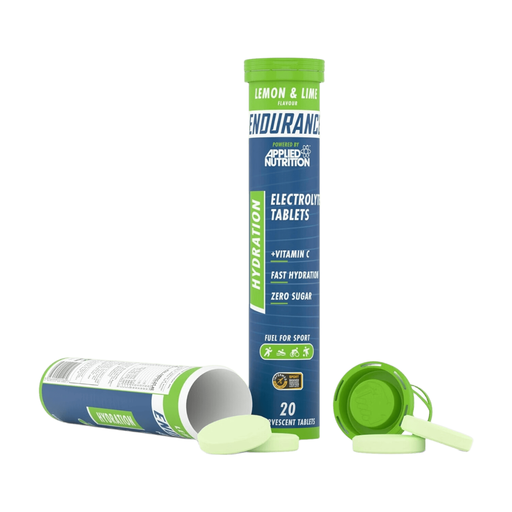
Why This Fits Their Persona: A practical starting point for UK gym users, runners and travellers who prefer counted servings rather than loose powder. Each tube contains 20 tablets.
The label gives per-tablet mineral quantities and states 6 calories, zero sugar and a maximum of four tablets daily, making comparison more straightforward.
Effervescent format; vegan and vegetarian suitable according to the product information; includes vitamin C.
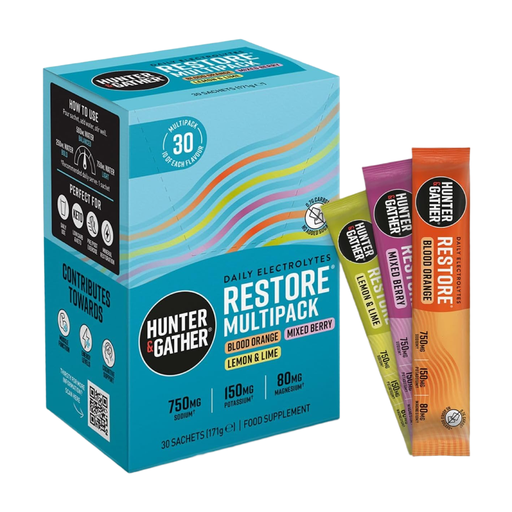
Why This Fits Their Persona: Suits adults who want a larger supply of individual sachets and prefer rotating between Blood Orange, Mixed Berry and Lemon & Lime flavours.
The product information identifies 750mg sodium, 150mg potassium and 80mg magnesium per sachet, alongside a sugar-free formula.
30 individually packed servings; monk fruit-sweetened flavoured options; vegan, gluten-free and dairy-free information is provided.
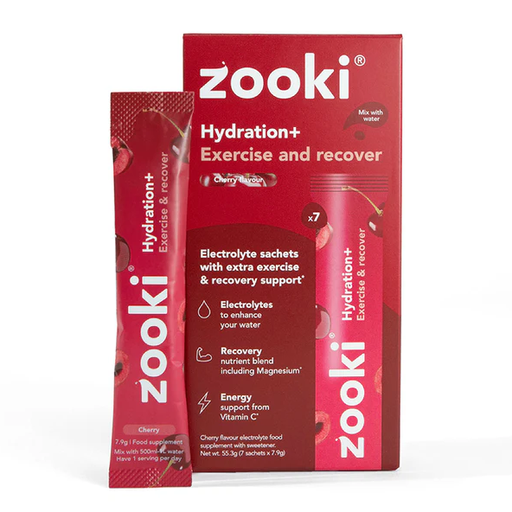
Why This Fits Their Persona: Designed for adults undertaking sweat-intensive training who want a flavoured sachet with several minerals and additional exercise-focused ingredients.
Its nutrition panel states 1,000mg sodium, 200mg potassium, 100mg magnesium and 50mg calcium per sachet, rather than relying only on general recovery language.
Includes L-glutamine, beetroot powder and vitamin C; 20 single-serve sachets; listed as sugar-free and suitable for vegans.
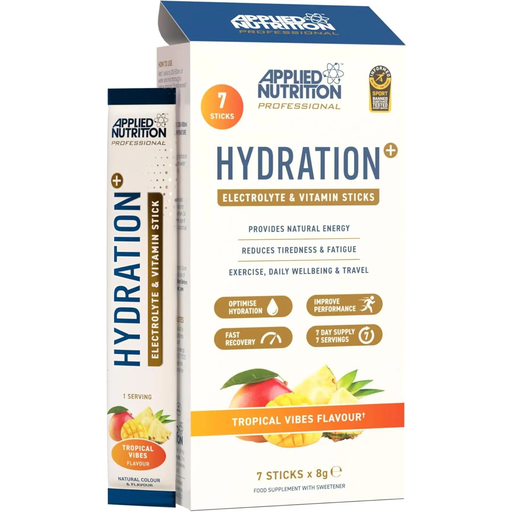
Why This Fits Their Persona: A seven-stick pack is convenient for holidays, commuting, office drawers and short training blocks where individual portions are useful.
The stated serving is one stick per day, mixed with 200–500ml of water, and the label lists approximately 2.7 calories and 153mg sodium per stick.
Contains potassium, magnesium, calcium and vitamins; listed as vegan, gluten-free and dairy-free; individual stick format.
We have compiled a complete, real-time list of products that fully satisfy these strict selection criteria and UK safety regulations.
Not necessarily. Water and a balanced diet are generally suitable for routine hydration. Electrolyte products may be more relevant after prolonged exercise, substantial sweating, hot-weather activity or travel. Choose the mineral level according to the situation rather than taking a supplement automatically.
Choose electrolyte powder sachets if portability and single-use portions are your priorities. Choose hydration tablets if you prefer a compact tube and a dissolving format. Compare serving quantities, water volume, sweeteners and total servings before comparing price.
Unopened products should be stored according to the packaging, usually in a cool, dry place away from heat, light and moisture. Once a drink has been prepared, follow the product instructions; some labels advise consuming it within 24 hours. Always check the best-before date, seal and ingredient information before use.