
24/7 Customer Support

Free returns

Same-day & Next-day Delivery

Quality Guaranteed

Unlock Your Welcome Offers: FREE Delivery | Up to 80% OFF | Free 30-day JoyPlus trial
Download the APP
Choosing elephant toys for babies and children can look simple until you compare materials, age guidance, cleaning instructions and play value. A soft elephant toy may be intended for cuddling, while an elephant rattle, fabric activity book or African elephant figure serves a very different purpose.
As the Joybuy Product Recommendation Officer, I focus on the details that help families avoid paying for features they may not use. The following guide covers common buying traps, important safety checks and suitable options for different households.
Bright colours, large ears and realistic details can make a toy appealing, but appearance does not tell you whether it suits a newborn or a three-year-old. Check the recommended age, dimensions and intended type of play before buying.
A detailed African elephant figure may be useful for imaginative play or learning, but small parts and rigid features make it unsuitable for babies. Conversely, a newborn may benefit more from a lightweight sensory baby toy that is easy to hold.
An elephant soft toy may contain an internal rattle, stitching, fabric loops or plastic attachments. These features need regular inspection, particularly when a baby mouths or pulls the toy.
Look for clearly stated age guidance such as 0+ months, then read the warnings as well. A product described as a newborn gift is not automatically suitable for unsupervised sleep or use in a cot. Follow the manufacturer’s instructions and supervise play.
A toy used in a pram, changing bag or play area can quickly collect food residue and dust. Surface-wash-only products may not suit families looking for frequent machine washing. Check whether the toy can be wiped, hand washed or machine washed, and allow it to dry fully before returning it to use.
For babies and toddlers, check the age label, warning statements and intended use. Toys placed on the UK market should carry appropriate safety information, including relevant conformity markings and warnings where applicable. Buyers should still inspect the individual listing and packaging rather than relying on a general product category.
The EN 71 toy safety standards cover areas such as mechanical and physical properties, flammability and chemical migration. A listing may refer to applicable standards, but parents should also check for loose parts, accessible filling, detachable attachments and damaged seams.
For a baby elephant toy, consider:
An organic elephant toy can be a practical choice for families who prefer certified organic cotton. However, “organic” describes the material source; it does not remove the need to check age guidance, care instructions or toy safety warnings.
A compact toy is easier for small hands to grasp and more convenient for a pram or car seat. Clip rings can help keep a fabric toy within reach, but they should be used only as directed and checked regularly for wear.
Rattles and chimes provide sound feedback when a child shakes or handles a toy. Consider the volume and your child’s play environment, particularly in a quiet nursery. For older children, a larger, more detailed toy may support storytelling, wildlife learning or role play.
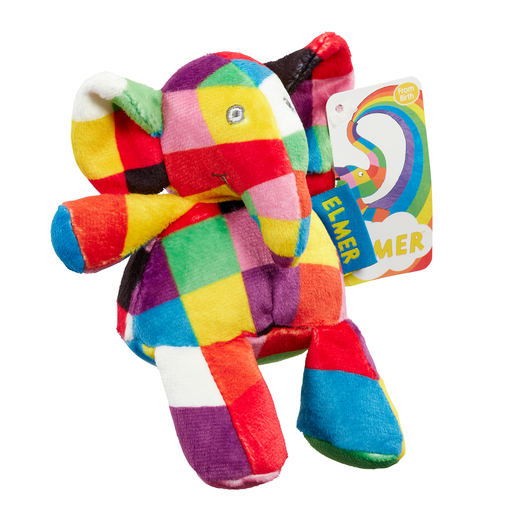
Why This Fits Their Persona: A compact first toy for families seeking a colourful elephant rattle with a straightforward sensory function and a stated 0+ months age recommendation.
Its product information states the age guidance, materials and surface-wash care method, helping buyers avoid unclear suitability and maintenance claims.
Baby-soft polyester plush, embroidered details and an internal chime designed to respond when handled.
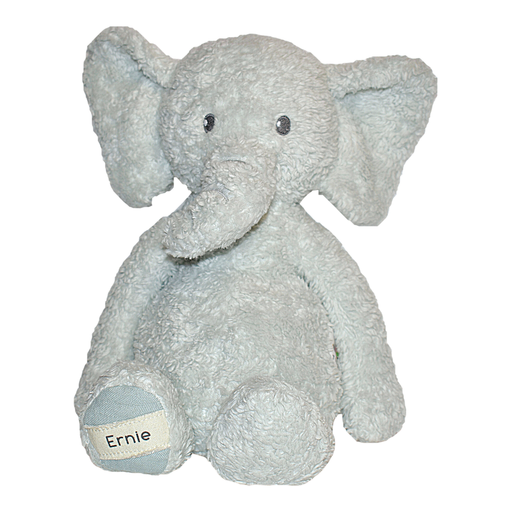
Why This Fits Their Persona: A 20cm soft companion for buyers prioritising certified organic cotton, a gentle texture and a classic cuddly format for supervised baby play.
The listing identifies 100% certified organic cotton outer fabric, recycled polyester filling and hand-wash care, rather than leaving material and cleaning details vague.
Large tactile ears, embroidered details and an internal chime rattle; listed as suitable from 0+ months.
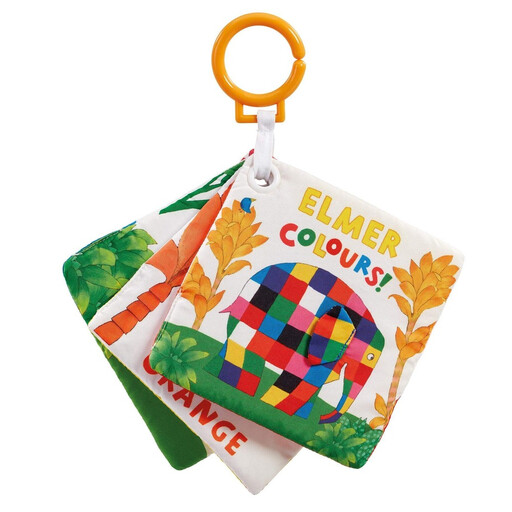
Why This Fits Their Persona: A lightweight fabric activity book with a clip ring for prams, car seats or changing bags, suited to families who need portable play.
Its compact format and listed wipe-clean approach address portability and hygiene more clearly than oversized nursery-only toys.
Textured patches, crinkle material, a squeaker and a clip ring; listed as suitable from 0+ months.
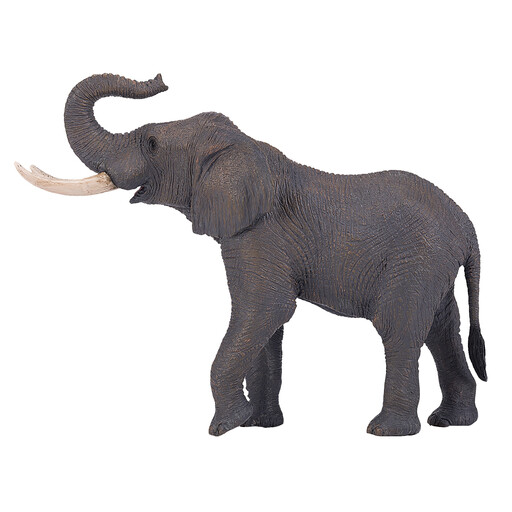
Why This Fits Their Persona: Designed for children aged three and over, this figure suits wildlife learning, imaginative play, school projects and display collections.
The stated 3+ guidance and small-parts choking warning make the age boundary clear, unlike wildlife figures marketed vaguely for all children.
Approximately 17.6cm long, with textured sculpting and hand-painted details for wildlife-themed play or educational display.
We have compiled a complete, real-time list of products that fully satisfy these strict selection criteria and UK safety regulations.
Some are listed as suitable from 0+ months, including selected soft rattles, fabric books and plush toys. Always check the individual product warning. A toy suitable from birth should still be used under supervision, and it should be inspected for loose threads, damaged seams or detached parts.
Lifespan depends on frequency of use, washing method, storage and construction. Surface-wash-only toys may retain their shape when cleaned as directed, while frequent rough handling can affect seams and internal rattles. Inspect baby toys before each use and remove them from play if any component becomes loose or damaged.
A toy elephant for toddlers should match the child’s coordination and the manufacturer’s age guidance. Soft sensory toys may remain useful for handling and storytelling, while an African elephant figure such as the MOJO model is listed for children aged three and over because of its small-parts warning.