
24/7 Customer Support

Free returns

Same-day & Next-day Delivery

Quality Guaranteed

Unlock Your Welcome Offers: FREE Delivery | Up to 80% OFF | Free 30-day JoyPlus trial
Download the APP
As pet owners, we often wonder if we're doing everything we can for our furry companions' comfort and well-being. If you've noticed your dog straining to eat, making a mess or eating too quickly, you might be looking for a practical solution. An elevated dog bowl can be a simple yet effective way to address these common issues, improving mealtime for both you and your pet.
Navigating the market can be confusing, with countless options available. This guide is designed to help you understand what to look for in a raised feeding bowl and to highlight a few noteworthy options that cater to different needs, from large breeds to style-conscious households.
Before you decide, consider a few key factors. The right bowl is about more than just looks; it’s about finding a functional fit for your pet's size, eating habits and your home environment.
The material of a bowl affects its durability, hygiene and environmental impact.
The primary benefit of an elevated dog bowl is its height. A fixed raised dog bowl is simple and stable, but an adjustable dog bowl stand offers greater flexibility. This is particularly useful for growing puppies or for households with multiple pets of different sizes, as you can modify the height to ensure an ergonomic posture for each.
Many modern bowls come with features designed to solve specific problems.
Here are a few options that stand out for their design, functionality and suitability for different types of pets.
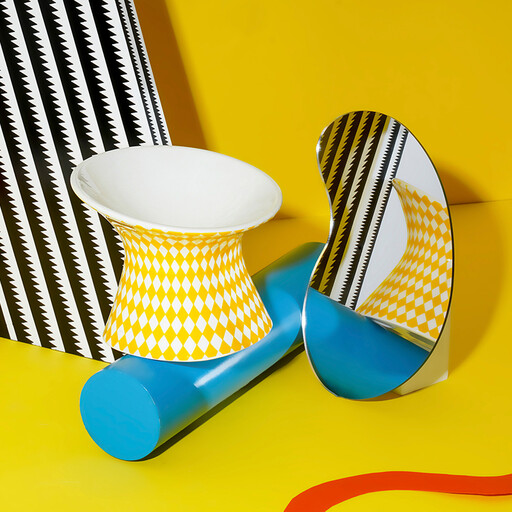
Why It Stands Out: This bowl combines elegant design with practical ergonomics. Its fixed height and 12-degree tilt angle are designed to provide a more comfortable feeding position, while the high-quality ceramic and modern pattern make it a stylish addition to any home.
Pros:
Who is it for? This is a great choice for owners of small to medium-sized dogs or cats who value aesthetics and want to provide their pet with a comfortable, fixed-height feeding solution.

Why It Stands Out: This product is a versatile dog feeding station built for adaptability. It includes two interchangeable bowls—a slow feeder and a standard stainless steel bowl—and a stand with four height settings. This makes it suitable for a wide range of dog breeds and life stages.
Pros:
Who is it for? Ideal for owners of medium to large breeds, growing puppies or dogs that eat too quickly. Its adjustability provides long-term value as your pet's needs change.
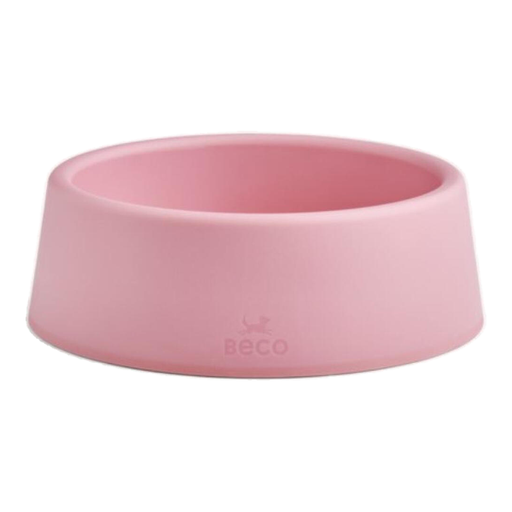
Why It Stands Out: The Beco Steady Bowl focuses on stability and sustainability. Its wide, non-tip base makes it an excellent non-slip dog bowl for messy eaters. Furthermore, it's made from 96% post-consumer recycled plastic, making it a responsible choice for the eco-conscious pet owner.
Pros:
Who is it for? This bowl is perfect for owners whose dogs tend to push their bowls around during meals and for those who want to make an environmentally friendly purchase without compromising on durability.
The products highlighted here are just a starting point. Every pet is unique, and the perfect bowl depends on their specific needs. If you'd like to see a wider variety of styles, materials and features, you can explore our full range of bowls for dog food to find the ideal match for your companion.
1. Are elevated dog bowls beneficial for all dogs? While many dogs can benefit, elevated bowls are often recommended for large or giant breeds, senior dogs with arthritis and certain breeds with specific medical conditions. Raising the bowl can promote a better posture, potentially reducing strain on the neck and joints. However, it's always a good idea to observe your dog to see if they eat more comfortably from a raised position.
2. How high should an elevated dog bowl be? A general guideline is to measure your standing dog from the floor to their chest, just behind the front legs. The top of the bowl should sit around this height. The goal is for your dog to eat without having to stoop too low or stretch their neck upwards. An adjustable dog bowl stand can be helpful for finding the perfect height.