
24/7 Customer Support

Free returns

Same-day & Next-day Delivery

Quality Guaranteed

Unlock Your Welcome Offers: FREE Delivery | Up to 80% OFF | Free 30-day JoyPlus trial
Download the APP
As a pet owner, you likely pay close attention to your companion's health and happiness, from the quality of their food to the comfort of their bed. But have you ever considered the bowl they eat from? The familiar sight of a pet hunched over their food or the sound of frantic gulping might be more than just a mealtime quirk. These can be signs of discomfort or digestive issues that a simple change could help alleviate.
An elevated pet bowl is designed to improve your pet's posture and digestion by raising their food and water to a more comfortable height. This simple adjustment can make a significant difference, particularly for older pets, large breeds or those with specific health considerations. This guide will walk you through the key features to consider and present some carefully selected options to help you find the right fit for your furry friend.
Navigating the world of pet feeders can be confusing. To help you make an informed choice, here are a few practical points to consider.
Material and Stability: The material of a bowl affects its durability, hygiene and weight. Ceramic bowls are heavy and often feature a wide base, making them an effective non-slip pet bowl. Plastics can be lightweight and durable, but it's important to ensure they are BPA-free. Stainless steel is another popular choice, known for being hygienic and easy to clean. The stability of the stand or base is crucial to prevent tipping and spills.
Ergonomics and Adjustability: The primary benefit of a raised dog bowl is improved posture. A correctly positioned bowl can reduce strain on your pet's neck, back and joints. For cats, a shallow, wide whisker friendly cat bowl prevents their sensitive whiskers from repeatedly brushing against the sides, which can be a source of stress. Some models, like an adjustable pet feeder, offer multiple height settings, making them a great long-term investment for a growing puppy or for households with multiple pets of different sizes. A tilted dog bowl can also aid digestion by using gravity to help food travel down the oesophagus.
Addressing Specific Behaviours: Does your dog inhale their food in seconds? A slow feeder bowl with built-in obstacles encourages them to eat at a healthier pace, which can help prevent bloating and vomiting. If your pet is a particularly enthusiastic drinker, a no-spill water bowl with a floating plate or specialised rim can keep your floors clean and dry. Considering these features turns a simple bowl into a purpose-built ergonomic pet feeder.
Here at Joybuy, we analyse market information to find practical and well-designed products. Based on their features and intended use, here are our recommendations for 2026.
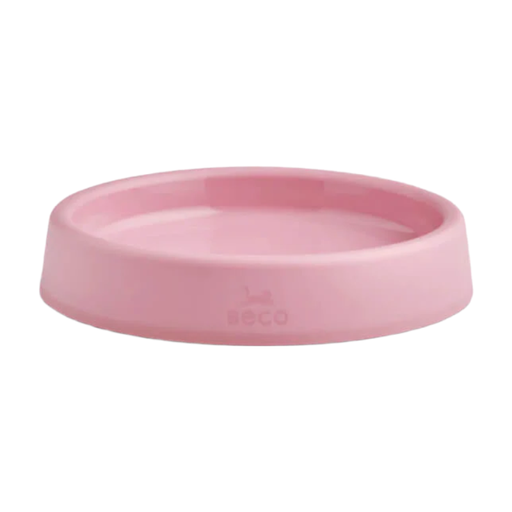
Why It Stands Out: This bowl is specifically designed with feline comfort in mind. Its eco-conscious construction from recycled plastic is a significant plus for environmentally aware owners, while its core design directly addresses the common issue of whisker fatigue.
Pros:
Who is it for: Cat owners seeking a sustainable, practical and comfortable feeding solution that prevents whisker stress.
View Product Details on Joybuy.co.uk
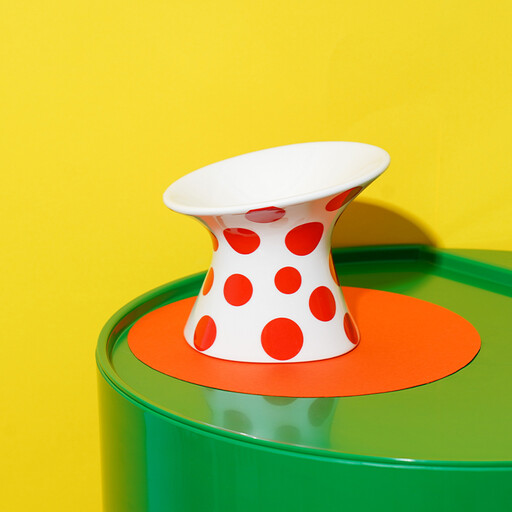
Why It Stands Out: This bowl proves that pet accessories can be both functional and stylish. It combines the ergonomic benefits of an elevated and tilted feeder with the aesthetic appeal of a decorative ceramic piece, seamlessly blending into your home decor.
Pros:
Who is it for: Pet owners who value home aesthetics and want a sturdy, ergonomic feeder that complements their interior design.
View Product Details on Joybuy.co.uk
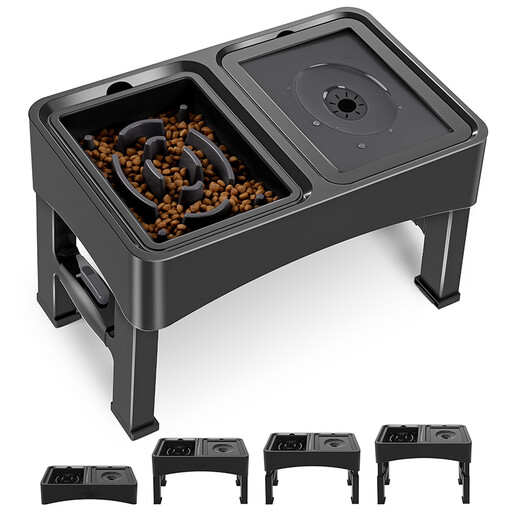
Why It Stands Out: This product is the ultimate all-in-one solution, tackling multiple common feeding problems simultaneously. Its adaptability makes it suitable for a wide range of pets and life stages, from energetic puppies to senior dogs.
Pros:
Who is it for: Owners of growing dogs, fast eaters, messy drinkers or anyone looking for a versatile, long-term feeding station that can be adapted as their pet's needs change.
View Product Details on Joybuy.co.uk
If our recommendations don't quite match what you're looking for, or if you'd like to see a wider variety of styles and functions, there are many other options available. From simple stainless steel stands to different ceramic designs, you can find a bowl that suits your pet and your home.
Discover more choices in our Cat food and supplies bowl category.
1. Are elevated pet bowls actually good for dogs? For many dogs, especially large breeds, seniors or those with arthritis or neck issues, an elevated bowl can make mealtimes more comfortable by reducing the need to bend down. This improved posture may aid digestion. However, it's always a good idea to observe your own pet's comfort and, if you have specific health concerns, consult with your veterinarian.
2. How high should a raised dog bowl be? A general guideline is to measure your standing dog from the floor to their lower chest or the top of their shoulder, then subtract a few inches. Your dog should be able to eat comfortably without stretching their neck up or crouching down. An adjustable pet feeder is an excellent option as it allows you to find the perfect height through trial and error.
3. What is whisker fatigue in cats? Whisker fatigue, or whisker stress, is a term used to describe the over-stimulation that can occur when a cat's sensitive whiskers repeatedly touch the sides of a deep or narrow food bowl. This can cause discomfort and may lead to them avoiding their food. A whisker friendly cat bowl is typically wide and shallow, allowing them to eat without this sensory irritation.