What should you check before buying?
Whole chestnuts
Choose when: low fat is a firm requirement and the product's per-100g figure meets the applicable threshold.
Bear in mind: chestnuts differ in texture from conventional mixed nuts; M&S lists 31.0g carbohydrate per 100g for its Whole Chestnuts.
Plain mixed nuts
Choose when: you want conventional nuts and are happy to serve a measured portion rather than buy a low-fat food.
Bear in mind: Sainsbury's Mixed Nuts contain 58.2g fat per 100g and include several types of tree nut.
Start with the per-100g label to assess a low-fat claim, then use the serving information to judge the amount you plan to eat.
| Priority | What to check | Your needs |
|---|
| Fat claim |
Check fat per 100g: UK nutrition-claims legislation permits “low fat” on a solid food at no more than 3g per 100g. For “reduced fat”, check what similar food the claim compares with; do not assume it meets the low-fat limit. |
I want to tell a low-fat product from a smaller pack of ordinary nuts. In a Food Standards Agency and Ipsos survey of 611 adults interviewed in Northern Ireland between September and November 2024, 49% said they actively used traffic-light labelling when shopping for food; that figure is not specific to nuts or fat claims. |
| Portion |
Compare energy and fat both per 100g and per serving. Sainsbury's lists 195kcal and 17.5g fat per 30g serving of its Mixed Nuts. |
For an ordinary nut snack, I'd rather put a serving in a small container than eat from a sharing bag. The British Heart Foundation uses 30g as a small-handful reference. |
| Flavouring |
Read the ingredients and compare the fat, saturates, sugars and salt figures on plain and flavoured packs; a portion pack or coating is not a reduced-fat claim. |
Plain or unsalted nuts suit me when I want to avoid added salt or choose without a sweet or savoury coating. |
| Allergens and age |
Read the current ingredients and cross-contact warnings for nuts, peanuts, sesame and other relevant allergens. Sainsbury's Mixed Nuts also carry a choking warning for small children. |
Before sharing the snack, I need to check that the exact product and its form are suitable for the person who will eat it. |
Chestnut options on Joybuy
These listings are for the chestnut route. Compare the current pack's fat figure per 100g, ingredients and serving size before deciding whether one meets your elevenses needs.
 No image available
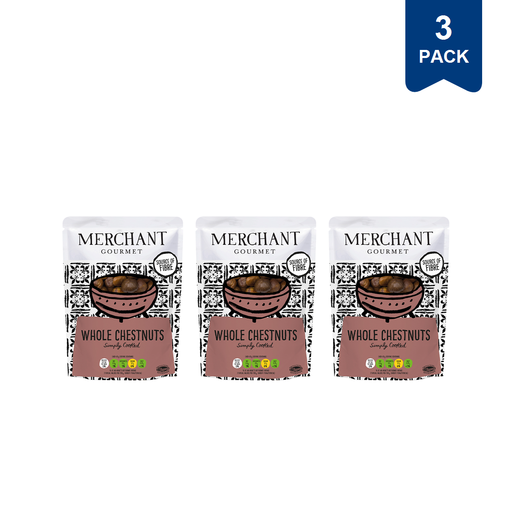
Merchant Gourmet Whole Chestnuts 180g (3 Packs)
A chestnut option to assess against a strict low-fat requirement. The listing identifies 180g and three packs; check the current pack's fat figure per 100g and allergen information.
 No image available
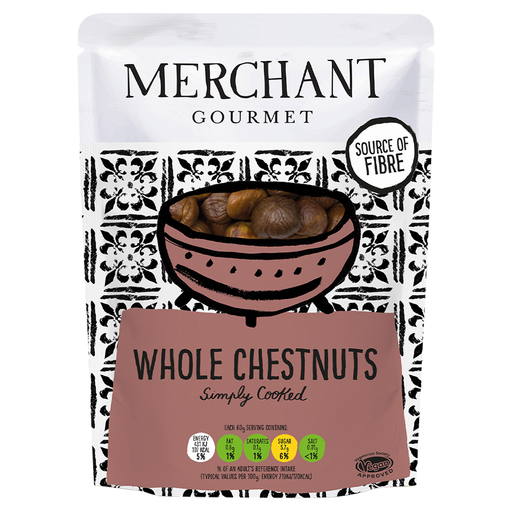
Merchant Gourmet Whole Chestnuts 180g
This 180g chestnut listing offers a different pack configuration from the three-pack option above. Check its per-100g nutrition and current pack warnings before choosing it for elevenses.
 No image available
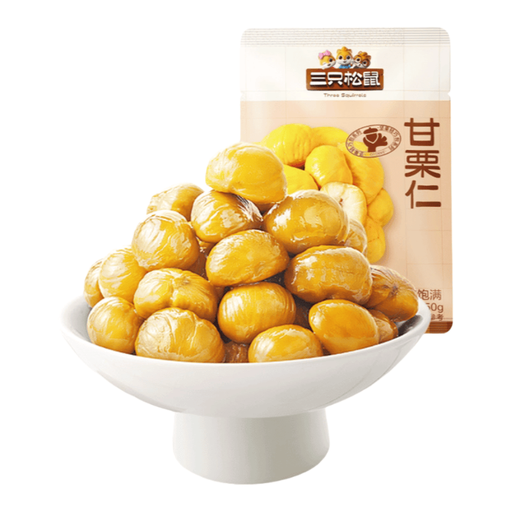
Three Squirrels Light Pack Sweet Chestnut Kernels 50g
The named 50g pack may suit someone choosing a smaller chestnut pack for elevenses. “Light Pack” is part of the product name, not proof of a low-fat claim; check the nutrition panel per 100g.
 No image available
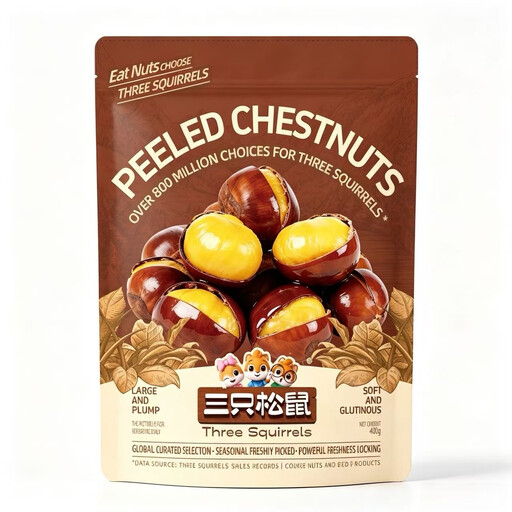
Three Squirrels New & Unique Sweet Chestnut Kernels 400g
For someone planning several chestnut snacks, this listing names a 400g pack. Decide on the portion you would serve and check the current per-100g nutrition and ingredients.
 No image available
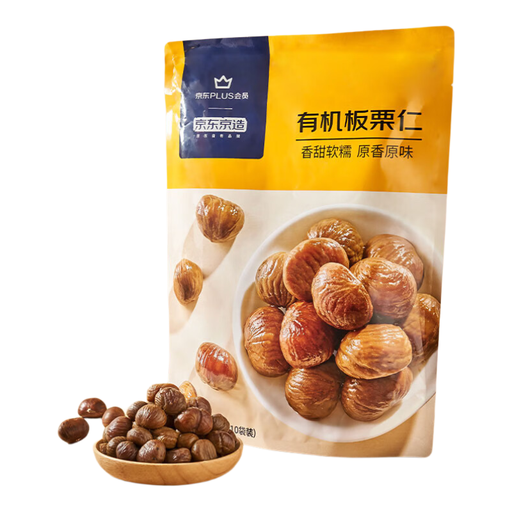
J.ZAO S++ Grade Whole Chestnuts 1kg (10 Sachets)
The name describes ready-to-eat, peeled chestnuts in a 1kg pack of 10 sachets. A sachet is not automatically the portion you want for elevenses; check the pack's serving information and fat per 100g.
Questions about nuts for elevenses
Is “reduced fat” the same as “low fat” on a UK label?
No. Under UK nutrition-claims legislation, a solid food described as low fat must contain no more than 3g fat per 100g. A reduced-fat claim compares a food with a similar product, so read that comparison and the per-100g nutrition panel rather than assuming the low-fat limit is met.
Are ordinary mixed nuts a low-fat choice for elevenses?
Do not assume they are. Sainsbury's Mixed Nuts list 58.2g fat per 100g; serving less changes the amount eaten, not the product's per-100g figure. If low fat is essential, check a different product's label against the applicable limit.
What portion should I consider for ordinary nuts?
The British Heart Foundation uses a small handful of about 30g as a portion reference and says its energy content varies by nut type. Check the serving information on the pack you buy, then measure the amount you intend to eat rather than relying on the size of a sharing bag.
Are flavoured nuts a reduced-fat alternative?
Flavouring alone says nothing about a reduced-fat claim. Compare the current fat, saturates, sugars and salt figures for salted, honey-roasted or dry-roasted nuts with a plain option, and check any comparison stated on a reduced-fat pack.
What allergy information should I check on packaged nuts?
Read the current ingredients and any cross-contact warning for the exact pack. GOV.UK guidance says nuts and peanuts are among the allergens that must be clearly identified in the ingredients list of prepacked food when present; a mixed-nut product may also carry warnings relevant to other allergens.


