
24/7 Customer Support

Free returns

Same-day & Next-day Delivery

Quality Guaranteed

Unlock Your Welcome Offers: FREE Delivery | Up to 80% OFF | Free 30-day JoyPlus trial
Download the APP
A flat battery, slow puncture or failed torch can turn a routine commute into a difficult roadside wait. The right emergency car and outdoor gear can help you deal with minor problems more independently, whether you are travelling through rural areas, camping, working outdoors or keeping practical equipment in the boot.
However, product pages often focus on impressive headline figures while leaving out details that affect everyday usefulness. Before buying a high-power rechargeable torch, portable car battery booster or portable air compressor, check how the specifications translate into real UK use.
A 7000A car jump starter may sound substantially more capable than a lower-rated model, but peak current is not the only consideration. Battery capacity, compatibility with petrol or diesel engines, cable quality and built-in protection also matter. Check the stated engine limits and whether the device is designed for a 12V vehicle system.
Similarly, a 4600-lumen torch may produce a very bright short-duration setting rather than maintaining that output continuously. Look for multiple brightness levels, battery information and a practical beam distance.
Water resistance ratings are specific technical limits, not a guarantee that a product can be used underwater indefinitely. An IPX8 waterproof outdoor torch is designed for conditions covered by its rating, but the charging-port cover must usually be properly closed. Always follow the supplied instructions and avoid exceeding the stated immersion conditions.
For a vehicle emergency kit, resistance to rain and damp storage is useful, but secure boot storage and regular inspection are equally important.
A jump starter power bank with an integrated compressor can save boot space, but only if the jumper cables, charging cable, air hose and inflation nozzles are included. Also check charging options, display readability and whether the unit can be recharged before it is needed.
A claimed 150 PSI tyre inflator is not necessarily intended to operate at that pressure continuously. For normal car tyres, preset pressure control, unit selection and automatic stopping are more relevant than the maximum figure alone.
For a rechargeable LED torch, compare battery type, charging method and how easily it can be topped up in a car or at home. USB-C charging is convenient because many drivers already carry compatible adapters. Magnetic charging can also be practical, but check whether the required cable is included or optional.
For jump starters, check the battery capacity, output ports and charging time. Keep the unit charged according to the manufacturer’s instructions and inspect it periodically, particularly after long periods in a cold or hot vehicle.
Lumens indicate light output, while beam distance describes how far the manufacturer states the light can reach under specified conditions. Neither figure alone explains how comfortable the torch will be to use.
A good emergency light should offer:
When choosing a portable car battery booster with an air pump, confirm that it supports your vehicle’s tyre valves and includes suitable attachments. A digital display showing PSI, bar or kPa helps reduce guesswork. Preset modes and automatic shut-off can also reduce the risk of overinflation, but the vehicle manufacturer’s recommended tyre pressure should remain the reference point.
Products carrying CE or UKCA marking, where applicable, should still be used in line with their instructions. Markings do not replace checking compatibility, cable condition or correct operating procedure.
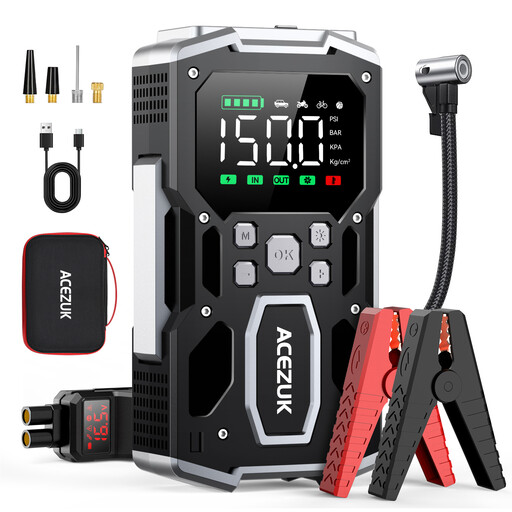
Why This Suits Their Persona: A practical option for commuters who want one compact device for battery starting, tyre inflation, lighting and charging personal electronics.
The LCD displays battery status, operating mode and air pressure, while the smart cable includes ten stated protection functions.
7000A peak current, 150 PSI compressor, three LED modes and two QC3.0 USB outputs.
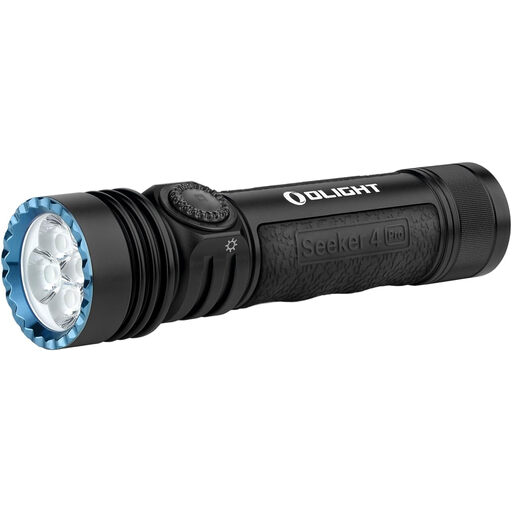
Why This Suits Their Persona: Designed for campers, outdoor workers and motorists who prioritise strong illumination, controlled brightness and a durable aluminium body.
Its enlarged metal side switch supports dimming control, while the included holster provides storage and USB-C charging access.
Maximum output of 4,600 lumens, stated beam distance of 260 metres and IPX8 water resistance.
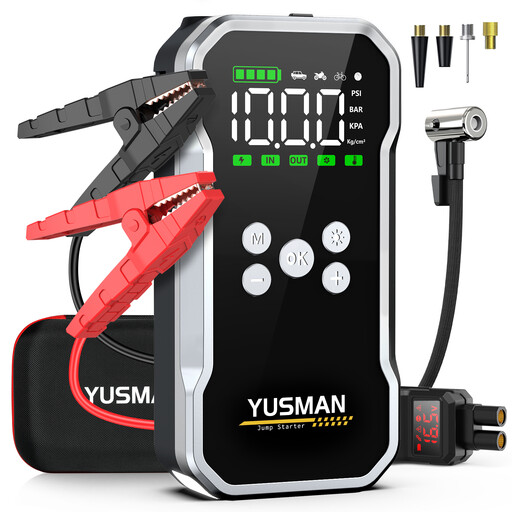
Why This Suits Their Persona: Suited to road-trip travellers, tradespeople and owners of larger vehicles seeking a boot-ready multifunctional emergency car kit.
It combines the stated engine compatibility, intelligent protection systems, pressure modes and supplied accessories in a storage case.
7000A peak current, 150 PSI air pump, 45 L/min stated flow rate and three torch modes.
We have compiled a complete, real-time list of products that fully satisfy these strict selection criteria and UK safety regulations.
Keep jump-starting equipment accessible rather than buried under luggage. Before connecting clamps, switch off the vehicle and check the instructions, polarity and cable condition. Do not use damaged cables or attempt a procedure if you are unsure about the battery layout.
For a tyre inflator, check the recommended pressure on the vehicle information label or handbook. Allow the compressor to cool if the instructions specify duty-cycle limits. Store the torch with its charging port closed and recharge all battery-powered equipment after use.
A torch is also useful alongside a high-capacity jump starter, reflective clothing, warning triangle, gloves and a basic first-aid kit. These items do not replace roadside assistance, but they can improve visibility and convenience while waiting for help.
A practical kit can include a rechargeable LED torch, reflective vest, warning triangle, gloves, phone charging cable, first-aid supplies, tyre-pressure gauge and portable car battery booster. Add seasonal items such as warm clothing, water and an ice scraper where appropriate.
Yes, a compressor with a 150 PSI maximum rating can be suitable for standard car tyres, provided it has the correct valve connection and sufficient operating capacity. Set the pressure according to the vehicle manufacturer’s guidance rather than using the maximum figure.
Check battery levels, cables, clamps, hoses and torch seals every few months and before a long journey. Recharge equipment after use and follow the manufacturer’s storage instructions, especially if it will remain in a vehicle exposed to temperature changes.