Long-ride cyclists
On a sportive or a long training ride, carrying enough fluid is only part of the plan. British Cycling also discusses carbohydrate intake and testing food and drink tolerance on the bike.


Choose a 2-litre carrying capacity for the fluid you expect to need, rather than filling it with an energy drink by default. For a longer ride, plan water, electrolytes and carbohydrate around the conditions and what else you will eat; if you are an adult choosing caffeine, treat a smaller energy drink as a separate, counted serving.
On a sportive or a long training ride, carrying enough fluid is only part of the plan. British Cycling also discusses carbohydrate intake and testing food and drink tolerance on the bike.
A large bottle or hydration pack may be useful when refill stops are limited or conditions call for more fluid. The decision is what to put in it, not whether its capacity must be filled with an energy drink.
A separate serving makes it easier to count caffeine from the drink alongside coffee, tea, gels and other sources. The drink still needs to fit alongside a fluid and fuelling plan.
Decide whether the main purpose is carrying fluid, taking in carbohydrate during the ride or choosing a measured caffeine serving; those needs do not require the same drink.
Choose when: You need flexible fluid capacity for the ride conditions and refill opportunities.
Plan separately: Water alone does not provide the carbohydrate you may intend to take in on a long ride.
Choose when: A longer or harder ride calls for planned carbohydrate intake as well as fluid.
Allow for: Food eaten on the bike and how well you tolerate the drink and serving pattern.
Choose when: As an adult, you deliberately want caffeine and can count the amount from all sources.
Keep separate: A caffeine serving is not a replacement for your ride's fluid and carbohydrate plan.
| Priority | What to check | Your needs |
|---|---|---|
| Fluid capacity | Check bottle or pack capacity, refill opportunities and whether the container fits your carrying set-up. British Cycling describes 500–1000 ml per hour of electrolyte-containing fluid as condition-dependent guidance, not an instruction to finish a 2-litre container. | I want enough fluid available between stops, while leaving room to adjust how much I drink to the conditions. |
| Carbohydrate | Read carbohydrate per serving and account for food or other drinks taken on the ride. British Cycling's event-day guidance discusses one gram of carbohydrate per kilogram of bodyweight per hour; use the drink label to see what a serving contributes to a planned intake. | On a long ride, I need to know what the drink contributes rather than assume a large bottle covers all my fuelling. |
| Caffeine serving | Compare caffeine per container and count other caffeine sources. The European Food Safety Authority's reference of up to 400 mg per day applies to the general healthy adult population; it is not a target for a ride. | If I choose caffeine, I want a serving I can count without repeatedly sipping a caffeinated drink for hydration. |
| Drink tolerance | Check whether the drink is carbonated and how you plan to mix or serve it. British Cycling advises trying foods and drinks in training before relying on them at an event. | I would rather find out on a training ride whether the drink and serving pattern suit me. |
Volume can conceal repeated caffeine servings. Monster Energy UK states 160 mg caffeine per 500 ml of Original Green, while Red Bull UK states 80 mg per 250 ml of its original drink. Four of those Monster servings or eight of those Red Bull servings would each total 640 mg caffeine. The European Food Safety Authority's daily no-safety-concern reference for the general healthy adult population is up to 400 mg from all sources.
Choose carrying capacity and caffeine serving separately. Check the exact drink label and include other caffeine sources in the total.
Tesco lists sports drinks and energy drinks as distinct categories. A drink chosen for caffeine does not, by that fact alone, establish how much carbohydrate or electrolyte it contributes to a cycling plan.
Read the product category and nutrition panel, then compare the stated serving with the fluid and carbohydrate you intend to take on the ride.
British Cycling advises testing foods and drinks in training because stomach problems can disrupt a ride.
Try the drink, its concentration and your serving pattern on an ordinary ride before depending on them at an event.
The Department of Health and Social Care announced an intended ban on sales of high-caffeine energy drinks to under-16s in England from April 2027, subject to Parliamentary approval. That announcement does not establish the same rule across every UK nation now.
For a purchase involving someone under 16, check the rule in the applicable nation and the retailer's current policy.
Check the named drink and pack, not just the brand: the formats and nutrition details below apply to particular listings or formulations.
Tesco lists Lucozade Sport Raspberry as 4 × 500 ml in its sports-drink range; Sainsbury's lists Lucozade Energy Original at 900 ml in energy drinks.
Tesco lists Monster energy drink in 4 × 500 ml packs.
Red Bull UK states that a 250 ml can of its original energy drink contains 80 mg caffeine.
Tesco lists Relentless Origin energy drink in a 4 × 500 ml pack.
These options include smaller ready-to-drink portions for fluid or sports-drink plans and a separate energy-drink option. Each pack size is distinct from a single 2-litre cycling bottle; check how you will carry the drink before choosing.
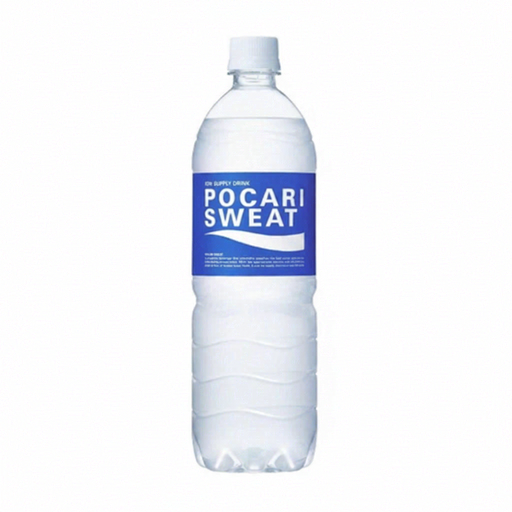 No image available
For a planned drink portion, this is one 900 ml bottle rather than a 2-litre container. Check the nutrition label against your fluid and fuelling plan, and check the bottle's dimensions and closure against your bike-carry set-up.
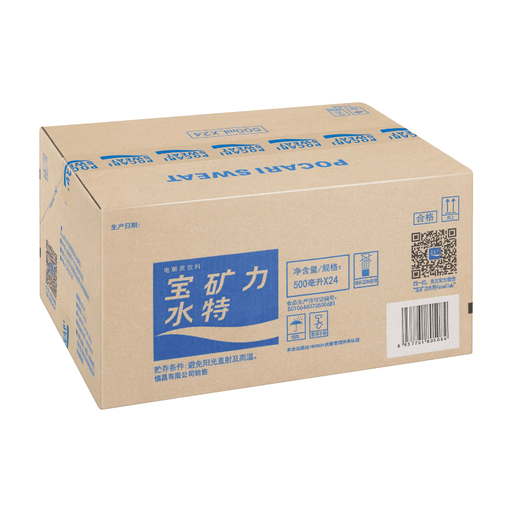 No image available
For planning separate drink portions, this pack contains 24 bottles of 500 ml each, not one 2-litre bottle. Check the individual bottle's fit and closure for your carrying set-up, and use its label when accounting for carbohydrate from the rest of the ride.
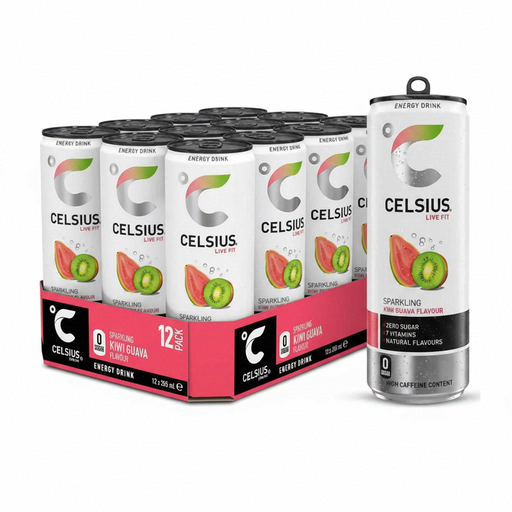 No image available
For an adult considering a separate energy-drink serving, this is a pack of 12 drinks of 355 ml each, not a large hydration bottle. Read the can's caffeine amount and warnings, count other caffeine sources, and arrange how you will carry it.
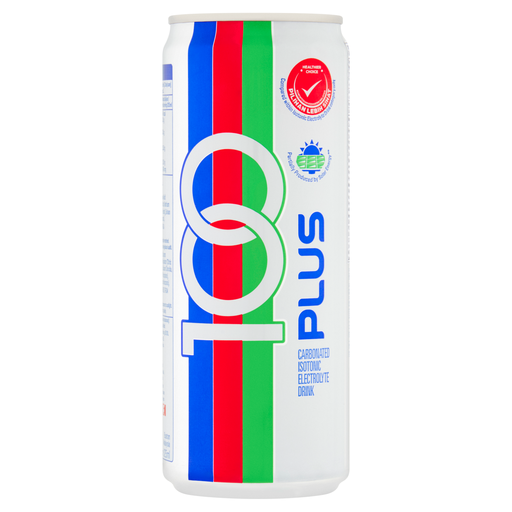 No image available
For a sports-drink plan, this is a 325 ml carbonated can rather than a 2-litre bottle. Check its nutrition panel against the rest of your ride food and drink, and try the carbonation and serving pattern in training.
 No image available
For separate ready-to-drink portions, this pack contains 15 bottles of 600 ml each. Check the nutrition label before including one in a carbohydrate or caffeine plan, and confirm that an individual bottle fits your carrying set-up.
No. Two litres describes the container's capacity, not an amount to finish regardless of conditions. British Cycling advises drinking little and often and describes 500–1000 ml per hour of electrolyte-containing fluid depending on conditions; plan around the ride, refill stops and your tolerance.
For a longer or harder ride where you are planning carbohydrate intake alongside fluid, compare a sports drink's carbohydrate per serving with what you will eat and drink elsewhere. British Cycling's event-day guidance discusses one gram of carbohydrate per kilogram of bodyweight per hour; an energy drink's caffeine content does not tell you how it fits that plan.
Repeated servings can add up to substantial caffeine. On the manufacturers' stated formulations, 2 litres would equal 640 mg caffeine from either Monster Original Green at 160 mg per 500 ml or Red Bull Original at 80 mg per 250 ml. That exceeds the European Food Safety Authority's up-to-400 mg daily no-safety-concern reference for the general healthy adult population, which covers caffeine from all sources.
The cited Tesco listings include 4 × 500 ml Monster and Relentless packs, while the cited Sainsbury's listing includes Lucozade Energy Original at 900 ml. Check the current product listing and label if a single 2-litre bottle is important to you; those examples do not establish what every UK retailer stocks.
The Department of Health and Social Care announced an intended ban on sales to under-16s in England from April 2027, subject to Parliamentary approval. That announcement is not a current UK-wide rule; check the applicable nation's rules and the retailer's policy when buying.