Adults planning pre-ride caffeine
If you intend to have a caffeinated drink before cycling, compare caffeine per can as well as can size. A multipack makes it particularly useful to decide in advance how many cans you intend to use.


For an adult cyclist planning caffeine before a ride, choose a multipack by the amount in each can, not just the number of cans: a 250ml serving is smaller than a 500ml one, while a sugar-free drink does not supply carbohydrate. For a long ride where the drink needs to provide fluid as well as caffeine, a 2021 systematic review in Nutrients found caffeinated sports drinks appeared more useful than energy drinks for those combined purposes; plan any carbohydrate intake separately.
If you intend to have a caffeinated drink before cycling, compare caffeine per can as well as can size. A multipack makes it particularly useful to decide in advance how many cans you intend to use.
If you need fluid and carbohydrate during a ride, decide how you will obtain both before treating an energy drink as your on-bike drink. The NHS identifies water as a way to replace fluid lost through sweating.
A sugar-free energy drink may match a preference to avoid sugar in the drink, but it will not supply sugar as ride carbohydrate. Check its caffeine declaration independently of its sugar-free label.
Start with the planned serving and the drink’s role in the ride, then compare the label and pack format.
| Priority | What to check | Your needs |
|---|---|---|
| Caffeine per can | Read caffeine in mg per 100ml and multiply by the can volume. Include caffeine from other drinks or products when considering your total intake. | I want to know how much caffeine is in the serving I plan to drink, rather than judging it by the pack count. |
| Fluid and ride fuel | Decide whether the drink is for caffeine before riding or for fluid during a longer ride. A 2021 review in Nutrients found caffeinated sports drinks appeared more useful during long-duration exercise when both rehydration and caffeine were needed. | On a longer ride, I need a plan for fluids and carbohydrate; a can of energy drink alone does not settle both choices. |
| Sugar content | Compare sugars per can, not just per 100ml, and distinguish the regular and sugar-free variants. Joybuy lists 28g sugars per 250ml can for Red Bull Original; that figure does not describe Red Bull Sugarfree. | Do I want sugar from this drink, or will I arrange any carbohydrate needed for the ride separately? |
| Can and pack size | Check both millilitres per can and the number of cans. A 500ml can contains twice the volume of a 250ml can, but its caffeine total must still be calculated from its own label. | A smaller individual can may fit how I intend to portion a pre-ride drink; the multipack also needs to suit how often I will use it. |
Caffeine in a can does not, by itself, answer how you will replace fluid or obtain carbohydrate on a long ride.
Plan fluids and ride fuel first. If you want caffeine in the drink during long-duration exercise, compare the purpose and label of a caffeinated sports drink.
The same caffeine amount per 100ml would produce different totals in 250ml and 500ml cans.
Calculate caffeine for the can you intend to drink, and account for other caffeine you have that day before deciding on another serving.
A sugar-free energy drink does not supply sugar as carbohydrate, even if it contains caffeine.
If your ride calls for carbohydrate intake, decide where it will come from rather than relying on the sugar-free can.
These are format references for comparing labels; a brand’s presence here does not mean every variant is a canned multipack.
Tesco lists Red Bull Original in 250ml can multipacks, including a 12-can format.
Monster multipacks include 500ml can formats. Joybuy identifies an Original Green Zero Sugar 9 × 500ml pack.
Tesco lists Relentless Origin as a 4 × 500ml can multipack.
Tesco lists Original and Orange multipacks as 8 × 380ml bottles.
These canned multipacks provide different serving sizes for comparing a planned pre-ride drink. Choose separately how you will manage fluids and any carbohydrate needed during the ride.
 No image available
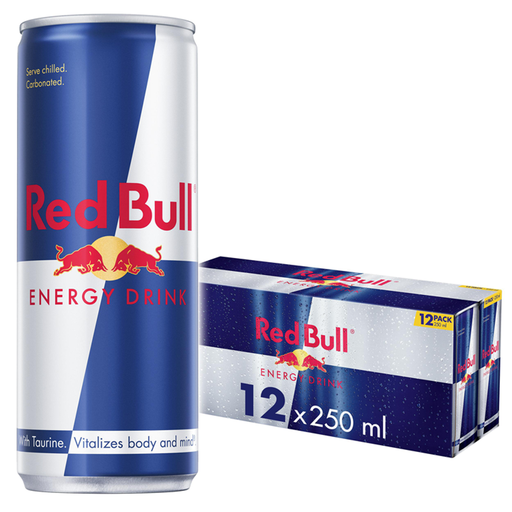
The 250ml can is an individually portioned option for planned pre-ride caffeine. Tesco lists 32mg caffeine per 100ml for Red Bull Original, equivalent to 80mg per can; Joybuy lists 28g sugars per 250ml can. It is not a long-ride hydration plan.
 No image available
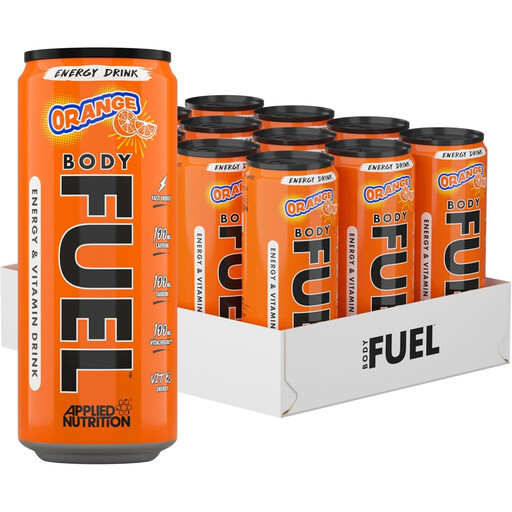
Its 330ml can offers a serving size between the 250ml and 500ml formats shown here. Check the current can label for caffeine and nutrition values when deciding whether it fits a pre-ride drink plan; arrange on-ride fluid and fuel separately.
 No image available
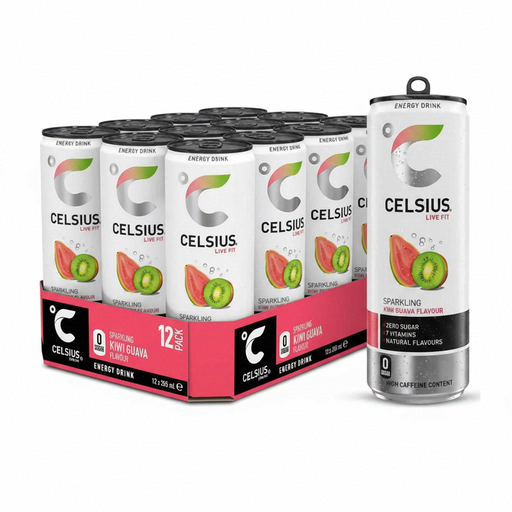
The 355ml cans provide another individual portion size to compare for a planned pre-ride drink. Read the label for caffeine per can and nutrition values rather than assuming the flavour or can size establishes either.
 No image available
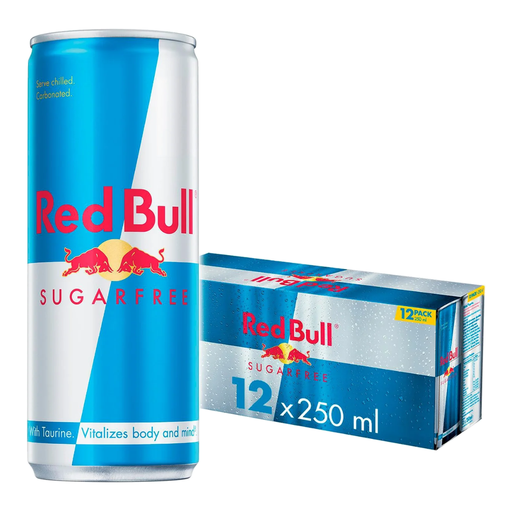
This is a sugar-free option in 250ml cans for someone choosing a smaller individual serving. Check this variant’s own caffeine declaration; the caffeine and sugar figures for Red Bull Original should not be transferred to Sugarfree. Plan carbohydrate separately if needed for the ride.
 No image available
The 500ml can is a larger individual serving than the 250ml options here. Check caffeine and sugars for the full Original Green can before choosing it; the Zero Sugar variant has a different formulation. Do not treat can volume alone as evidence that it meets your fluid needs on a long ride.
No: plan fluid replacement separately rather than relying on an energy drink because it contains caffeine. The NHS identifies water for replacing fluid lost through sweating, while a 2021 review in Nutrients found caffeinated sports drinks appeared more useful than energy drinks during long-duration exercise when both rehydration and caffeine supplementation were needed.
Multiply the label’s caffeine amount per 100ml by the can volume divided by 100. For example, Tesco lists Red Bull Original at 32mg per 100ml, which makes 80mg in its 250ml can. Use the label for the exact variant you intend to drink and account for caffeine from other sources.
A sugar-free drink does not provide sugar as carbohydrate. If you are planning carbohydrate intake during cycling, choose its source separately rather than assuming a caffeinated, sugar-free can supplies ride fuel.