Gym-goers choosing a caffeinated drink
If you want a can after training, compare its caffeine with the caffeine you also get from coffee, tea or pre-workout products.


Choose an energy-drink multipack by the caffeine and sugar in each can, not just the number of cans. Red Bull UK lists 80 mg caffeine in a 250 ml Original can, while Monster Energy UK lists 160 mg in a 500 ml Original Green can; a sugar-free recipe can still contain caffeine. If post-gym recovery is the priority, consider food containing carbohydrate and protein alongside water rather than relying on an energy drink alone.
If you want a can after training, compare its caffeine with the caffeine you also get from coffee, tea or pre-workout products.
A zero- or sugar-free recipe lets you choose an energy drink without the sugar in a standard recipe. Check its caffeine separately.
If food and fluid after training matter more than caffeine, consider the drink alongside carbohydrate-containing food, protein-containing food and water. A 2025 review in Sports Medicine discusses carbohydrate and protein as separate post-exercise considerations; the NHS recommends water to replace fluid lost through physical activity.
Start with the individual can, then check whether the pack format suits how you plan to use it.
| Priority | What to check | Your needs |
|---|---|---|
| Caffeine per can | Read the amount for the whole can and check its volume. Red Bull UK lists 80 mg per 250 ml Original can; Monster Energy UK lists 160 mg per 500 ml Original Green can. Account for caffeine from other drinks and products. | I want a can size and caffeine amount that fit with the other caffeine I consume. |
| Sugar and recipe | Compare sugar for the whole can, not unlike serving sizes. Red Bull UK lists 27 g per 250 ml Original can and no sugar in Red Bull Zero; Monster Energy UK lists 55 g per 500 ml Original Green can. Red Bull Zero still contains 80 mg caffeine per can. | If I choose sugar-free, I still want to know how much caffeine is in the can. |
| Food and fluids | Decide whether you want a caffeinated drink or food after exercise. A 2025 review in Sports Medicine discusses carbohydrate and protein in post-exercise recovery; the NHS recommends water for replacing fluid lost through physical activity. | When my priority is a post-gym snack, I need to think about food and water as well as the drink. |
| Pack format | Check the can volume, number of cans and exact recipe on the pack. Multipacks can contain different serving sizes and sugar-free or standard versions. | I want individual cans that suit when and how often I intend to have one. |
| Caffeine cautions | Read the warning on the exact can, particularly if you are pregnant, breastfeeding or sensitive to caffeine. Relentless Energy UK cautions against use by these groups on its Cherry product page. | I need to check whether the chosen drink’s caffeine warning applies to me. |
An energy drink may contain caffeine or carbohydrate, but that does not make it a substitute for food and water when those are your priorities after exercise.
Decide whether you want the drink for caffeine or flavour. If you are planning a recovery snack, consider carbohydrate- and protein-containing food and water separately.
Red Bull UK lists 80 mg caffeine in a 250 ml Original can; Monster Energy UK lists 160 mg in a 500 ml Original Green can. Can size changes the amount you consume when you finish one.
Compare caffeine per can and include caffeine from coffee, tea and pre-workout products in your decision.
Red Bull UK describes Red Bull Zero as sugar-free but lists 80 mg caffeine per 250 ml can.
Use the sugar declaration to choose a recipe, then check caffeine and any warnings on that exact product.
These examples illustrate recipe and can-size differences; they do not imply that every product from a brand has the same nutrition or caffeine content.
Its UK product information gives per-can figures for the 250 ml Original and Zero recipes.
Monster Energy UK gives figures for its 500 ml Original Green can; check other recipes individually.
Tesco lists a Relentless Origin multipack of four 500 ml cans.
Lucozade says its Energy range contains glucose; Sainsbury’s lists Original cans in a 12 × 330 ml pack.
These multipacks offer different can sizes and standard or sugar-free energy-drink recipes for the post-gym occasion. Compare the exact can before choosing a pack.
 No image available
A larger-can option if that serving size suits you. Monster Energy UK lists 160 mg caffeine and 55 g sugar per 500 ml Original Green can; consider both amounts alongside what else you consume.
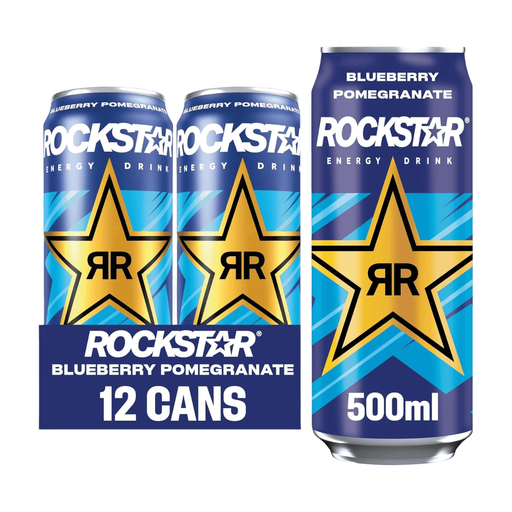 No image available
A 500 ml fruit-flavoured can format. Check the exact can’s caffeine and sugar declarations when deciding whether it fits your post-gym plans.
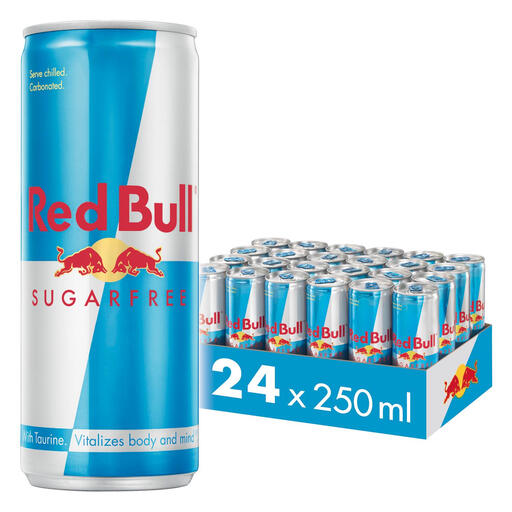 No image available
A sugar-free recipe in smaller cans. Check the caffeine declaration on this Sugarfree variant separately from figures for Red Bull Original or Zero.
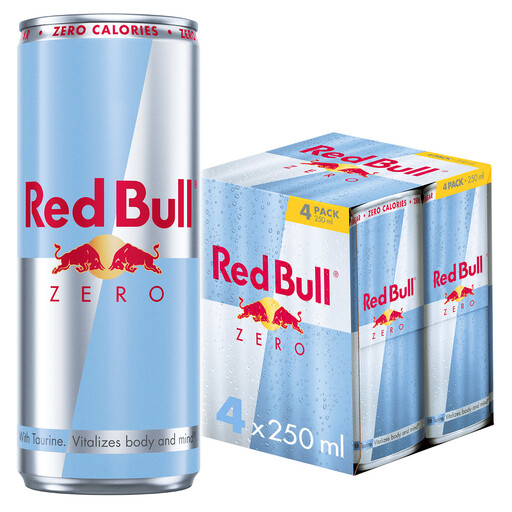 No image available
A sugar-free 250 ml option. Red Bull UK states that Zero contains no sugar but has 80 mg caffeine per can, so include it when considering your overall caffeine intake.
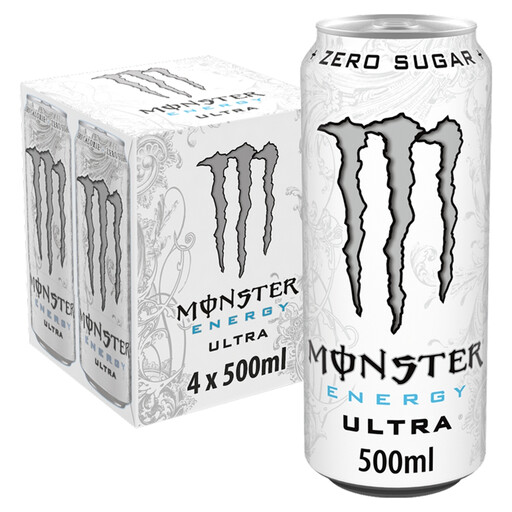 No image available
A larger-can sugar-free option. Check the caffeine amount for the whole 500 ml can on the exact pack; do not apply the Original Green recipe’s figures to Ultra Zero Sugar.
No: caffeine or glucose in a drink does not replace all the food and fluid considerations after exercise. A 2025 review in Sports Medicine discusses carbohydrate and protein in post-exercise recovery, while the NHS recommends water to replace fluid lost through physical activity.
It depends on the exact product and can size. Red Bull UK lists 80 mg in a 250 ml Original can, whereas Monster Energy UK lists 160 mg in a 500 ml Original Green can; read the per-can amount on other recipes rather than assuming it is the same.
No. Red Bull UK says its Zero recipe contains no sugar but lists 80 mg caffeine per 250 ml can. Check sugar and caffeine as separate declarations on the drink you choose.
Check the warning on the exact drink before choosing a multipack. Relentless Energy UK says its Cherry drink is not recommended for pregnant or nursing women or people sensitive to caffeine; warnings and caffeine amounts should not be assumed identical across recipes.