Runners who eat before a 5k
If you have had a carbohydrate-based breakfast, the UK Sports Institute says you probably will not need a sports drink for the run. Water may be enough, so buying a multipack need not be the starting point.


After a carbohydrate-based breakfast, you probably do not need an energy drink for a 5k: the UK Sports Institute says a sports drink is unlikely to be necessary in that situation, and water may be enough. If you have missed food, consider whether you want drinkable carbohydrate; if you want caffeine instead, check the amount in a whole can and what you have already consumed. A zero-sugar caffeinated drink does not meet the same need as a carbohydrate-containing one.
Whether a multipack has a place in your pre-run routine depends first on what you have eaten and what you expect the drink to provide.
If you have had a carbohydrate-based breakfast, the UK Sports Institute says you probably will not need a sports drink for the run. Water may be enough, so buying a multipack need not be the starting point.
If solid food is impractical before you run, you may be looking for drinkable carbohydrate. Check the carbohydrate in a whole bottle or can, along with its volume and other ingredients, rather than relying on the words ‘energy drink’.
If you already know how you respond to caffeine, compare the amount per can with caffeine from coffee, tea and other products. Check carbohydrate separately: a zero-sugar can is not a substitute for the food you missed.
Decide whether you need a drink at all, then compare the contents of the serving you would actually have before running—not just the figures per 100ml.
| Priority | What to check | Your needs |
|---|---|---|
| Whether to have a drink | Consider whether you have eaten a carbohydrate-based breakfast and have water available. The UK Sports Institute says a sports drink is probably unnecessary after that breakfast. | I have eaten before my 5k and want something to drink, rather than extra carbohydrate or caffeine. |
| Drinkable carbohydrate | Read carbohydrate per bottle or can, as well as sugars and serving volume. Sainsbury's lists 33.9g carbohydrate and 17.1g sugars per 380ml bottle of Lucozade Energy Original. | Breakfast did not work out, and I want to consider a drink containing carbohydrate instead of choosing by the word ‘energy’ on the pack. |
| Caffeine per can | Multiply a per-100ml caffeine figure by the can volume, then account for other caffeine you consume. Tesco lists 32mg per 100ml for Red Bull Energy Drink 250ml and 30mg per 100ml for Monster Energy Ultra 500ml—about 80mg and 150mg per can respectively. | If I choose caffeine, I want to know the amount in the entire can, not just its concentration. |
| Sugar and carbohydrate | Check both figures on the nutrition label. Tesco lists zero sugar for Monster Energy Ultra 500ml; that makes it a different choice from a drink bought for carbohydrate. | Am I looking for drinkable carbohydrate after missing food, or choosing a caffeinated drink without sugar? Those are different reasons to buy. |
| Serving size and familiarity | Compare the amount you intend to drink with the can or bottle size. A 250ml can, a 380ml bottle and a 500ml can are different pre-run servings; try an unfamiliar fizzy drink and timing during training rather than immediately before an event. | I would rather know how the particular serving fits my routine before committing to a multipack. |
A zero-sugar caffeinated drink and a carbohydrate-containing drink address different buying needs. Tesco lists zero sugar for Monster Energy Ultra 500ml, while Sainsbury's lists 33.9g carbohydrate per 380ml bottle of Lucozade Energy Original.
Start with what you need after your usual pre-run food: water, drinkable carbohydrate or a deliberately chosen caffeine serving. Check the nutrition label before choosing a pack.
Caffeine in a can adds to any consumed in coffee, tea or other products. Tesco's stated 30mg per 100ml for Monster Energy Ultra amounts to about 150mg in a 500ml can.
Count your other sources before deciding on a can. The European Food Safety Authority's 2015 assessment discusses caffeine amounts for adults in the general population; it is not an individual recommendation, particularly where pregnancy, medication, caffeine sensitivity or a medical condition is relevant.
A full 380ml bottle or 500ml can may feel different from the drinks and amounts you normally have before running. The contents and your planned timing both matter.
Try the particular drink, amount and timing on a training day. Before an event, stick with a routine you already know suits you.
These examples show how particular product lines differ; they are not claims about every drink made by each brand or about what is available in the product selection below.
Red Bull Energy Drink 4 x 250ml is a smaller-can, caffeine-containing option.
Monster Energy Ultra 4 x 500ml is the zero-sugar example in this comparison, not a description of other Monster variants.
Relentless Origin 4 x 500ml represents a larger, high-caffeine can format.
Lucozade Energy Original 8 x 380ml is a carbohydrate-containing bottle option for someone considering a drink after missing food.
These canned multipacks cover smaller cans, a flavoured 355ml option and a larger 500ml format. If your reason for shopping is a missed breakfast, check each drink's carbohydrate label rather than assuming a caffeinated can will meet that need.
 No image available
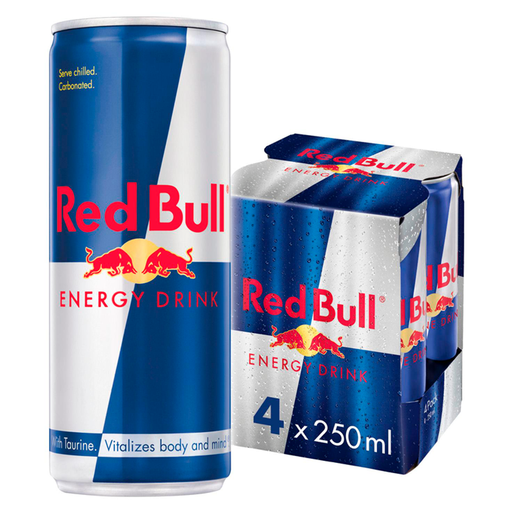
For someone considering a smaller caffeine-containing can, the 250ml serving makes it straightforward to compare a whole can with other drinks consumed that day. Tesco lists 32mg caffeine per 100ml for this product—about 80mg per can—and 11g sugars per 100ml. It is not a substitute for deciding whether you need a drink after breakfast.
 No image available
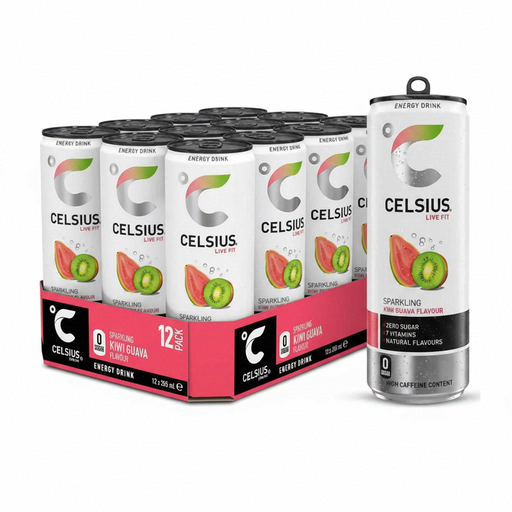
This 12-pack contains 355ml cans for shoppers considering a flavoured canned drink. If caffeine or drinkable carbohydrate is the reason for buying, check both amounts for the whole can on the product label before fitting it into a pre-run routine.
 No image available
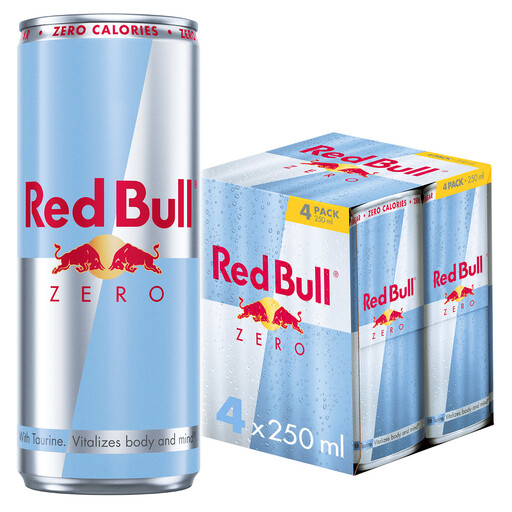
The four-pack offers a 250ml Zero variant for someone comparing smaller cans. Check its caffeine and carbohydrate figures on the label: choosing a zero-sugar drink for caffeine is a different decision from seeking carbohydrate after missing food.
 No image available
This is the Original Green 500ml can, not the zero-sugar Ultra variant discussed above. Consider whether a full 500ml fizzy serving fits your pre-run plan, and check the caffeine amount on the particular can before combining it with other caffeinated products.
Probably not if you have had a carbohydrate-based breakfast: the UK Sports Institute says a sports drink is unlikely to be necessary then. Water may be enough. If you missed food, decide whether drinkable carbohydrate is what you need before choosing a product.
Do not assume it does. For example, Tesco lists zero sugar for Monster Energy Ultra 500ml. If you are considering a drink because you missed breakfast, check the carbohydrate figure for the particular product rather than treating caffeine and carbohydrate as interchangeable.
Compare caffeine per whole can, not just per 100ml. Tesco lists Red Bull Energy Drink at 32mg per 100ml, or about 80mg per 250ml can, and Monster Energy Ultra at 30mg per 100ml, or about 150mg per 500ml can. Include caffeine from other drinks and products when considering either serving.
Sainsbury's says it does not sell high-caffeine energy drinks to under-16s and requires age verification for products labelled ‘not recommended for children’. That describes Sainsbury's retailer policy, not a UK-wide statutory purchase rule; check the label and the requirements of the retailer you use.
Follow the storage instructions for the particular drink, especially after opening it. Joybuy's listing for Lucozade Energy Original 8 x 380ml says to refrigerate an opened bottle and consume it within four days; do not apply that bottle instruction to every can in a multipack.