An energy drink is not automatically needed for a 5k. If you already know how you respond to caffeine before running, a small serving with a stated whole-can amount is easier to assess than choosing by the word “energy” alone; a resealable bottle offers a different carrying format. Check the exact pack before buying for glass, since a bottle may be plastic.
Who is choosing a drink for a 5k?
Runners considering caffeine before a familiar run
If you have previously tried caffeine before running, compare its amount in the whole container and consider how you responded. The UK Sports Institute notes that responses to caffeine vary between individuals.
Runners looking for carbohydrate in a bottle
If you want a drink you can close and carry before or after the run, check both the carbohydrate declaration and the closure. Lucozade Energy Original is listed in 380 ml plastic bottles, with 8.9 g carbohydrate per 100 ml.
Shoppers who specifically want glass packaging
Confirm the material of the exact drink and check whether glass is permitted where you plan to run. The Red Bull, Monster and Relentless examples discussed here are cans; the Lucozade Energy Original bottle is plastic.
What matters when choosing?
Start with what you want from the drink, then compare the whole serving and its packaging rather than relying on the category name.
| Priority |
What to check |
Your needs |
| Caffeine |
Read the amount per whole can or bottle, not just its volume. Red Bull UK lists 80 mg per 250 ml can of its original drink; Monster Energy UK lists 160 mg per 500 ml can of Original Green. |
I want a known serving that fits how I have responded to caffeine before running. I also need to count caffeine from other drinks that day. |
| Carbohydrate and sugar |
Compare like measures: per serving for the two original canned drinks, or per 100 ml on the Lucozade Energy Original listing. Its stated 8.9 g carbohydrate per 100 ml is not the same measure as sugars. |
If I want a carbohydrate-containing drink, I need to read the nutrition panel rather than assume every energy drink has the same contents. |
| Pack and closure |
Confirm can, plastic or glass on the exact product. Check whether the pack can be closed again and whether your event or venue permits glass. |
For a drink carried in a bag or saved until after the run, a closure matters to me. If I specifically want glass, the word “bottle” is not enough. |
| Personal circumstances |
Consider other caffeine sources and the guidance relevant to you. The NHS advises no more than 200 mg caffeine a day during pregnancy, including caffeine from energy drinks. |
I should not apply general adult caffeine guidance to pregnancy or assume another runner’s preferred serving suits me. |
What is easy to overlook?
-
Judging caffeine by can size alone
Red Bull UK lists 80 mg caffeine in its original 250 ml can, while Monster Energy UK lists 160 mg in a 500 ml Original Green can. Those figures describe these particular drinks, not every can of either size.
Read the whole-container amount on the exact variant and include coffee, tea, cola or pre-workout products in your daily caffeine tally.
-
Reading “bottle” as “glass bottle”
The Lucozade Energy Original bottle discussed here is plastic. Its bottle format therefore does not meet a preference specifically for glass.
Check the exact listing and pack material before buying, especially if you also need to follow event or venue rules on glass.
-
Treating “energy drink” as a hydration plan
The drinks differ in caffeine, carbohydrate, sugars and pack size. None of those features alone establishes how much fluid a particular runner needs for a 5k.
Decide whether you are choosing the drink for a familiar caffeine serving, its carbohydrate content or its format, and plan what you will drink separately.
-
Applying general adult caffeine guidance during pregnancy
General adult caffeine figures do not replace pregnancy-specific advice. The NHS advises a limit of 200 mg caffeine a day during pregnancy and includes energy drinks among possible sources.
Count caffeine from all sources against the guidance relevant to you, rather than assessing the energy drink in isolation.
Brand and product-line references
These figures refer to the named original drinks and pack sizes; they should not be carried over to sugar-free variants or other products from the same brands.
Red Bull
Its original 250 ml can provides a defined smaller-can example for comparing whole-serving caffeine.
- Red Bull UK lists 80 mg caffeine and 27 g sugars per 250 ml can of Red Bull Energy Drink.
- It is a can, not a glass or resealable bottle; the figures do not establish the contents of other Red Bull variants.
Monster
Original Green provides a 500 ml canned example for someone comparing larger whole-can servings.
- Monster Energy UK lists 160 mg caffeine and 55 g sugar per 500 ml can of Original Green.
- Check the exact variant: Original Green’s figures should not be used for Monster’s zero-sugar drinks.
Lucozade Energy
Energy Original offers a plastic-bottled, carbohydrate-containing format to compare with cans.
- The listed 380 ml bottles contain glucose syrup and caffeine, with 8.9 g carbohydrate and 4.5 g sugars per 100 ml.
- The bottle is plastic, not glass. Check the pack for its caffeine declaration when the amount per bottle matters to your choice.
Relentless
Origin is another 500 ml canned format, rather than a resealable-bottle option.
- Tesco lists Relentless Origin in 4 × 500 ml cans and identifies caffeine, guarana, taurine, sugar and sweetener in the drink.
- Those listed ingredients do not establish a running-specific benefit or give a whole-can caffeine figure.
Joybuy drink options
These options cover small-can choices, a larger-can multipack and a plastic-bottled carbohydrate drink. Check the exact pack if glass packaging is essential.
 No image available
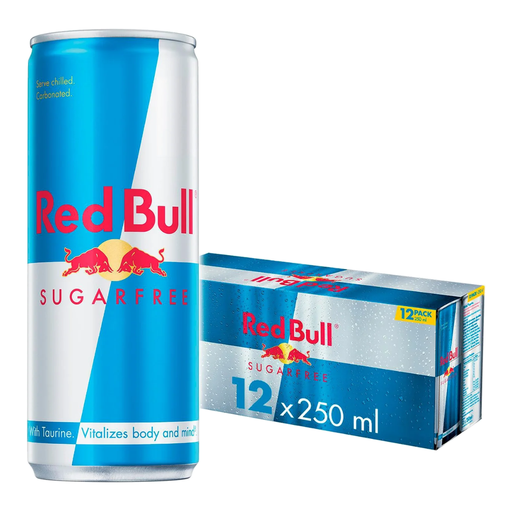
Red Bull Sugarfree Energy Drink 250 ml, 12-pack
A small-can option if you already know how you respond to caffeine before a run. This is a 12-pack of 250 ml cans, not glass bottles; check the caffeine declaration for this Sugarfree variant rather than using figures for Red Bull Original.
View on Joybuy
 No image available
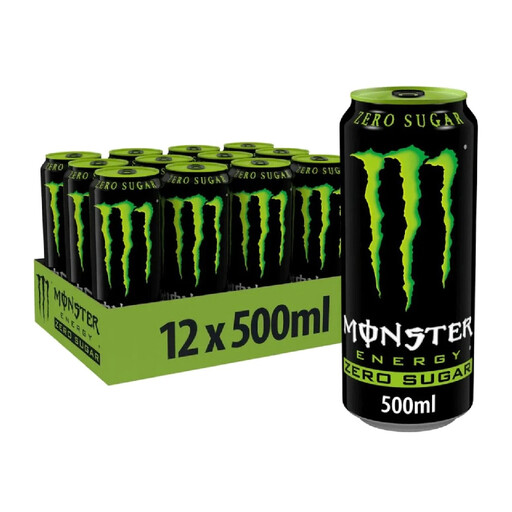
Monster Energy Green Zero Sugar, 12 cans
This canned multipack suits someone deliberately considering the larger-can format and who has already tested their response to caffeine. It is not glass; read this Zero Sugar variant’s whole-can caffeine declaration rather than applying figures for Monster Original Green.
View on Joybuy
 No image available
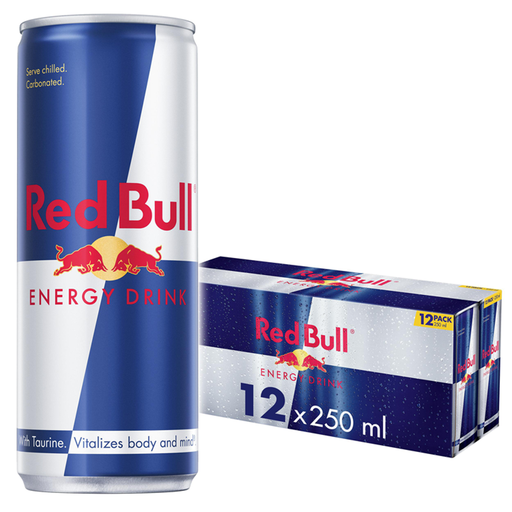
Red Bull Energy Drink 250 ml, 12-pack
A 250 ml can is a defined serving to consider if you have previously tolerated caffeine before running. Red Bull UK lists 80 mg caffeine for this original drink; check the pack’s sugar declaration before relying on an exact figure. The 12-pack contains cans, not glass bottles.
View on Joybuy
 No image available
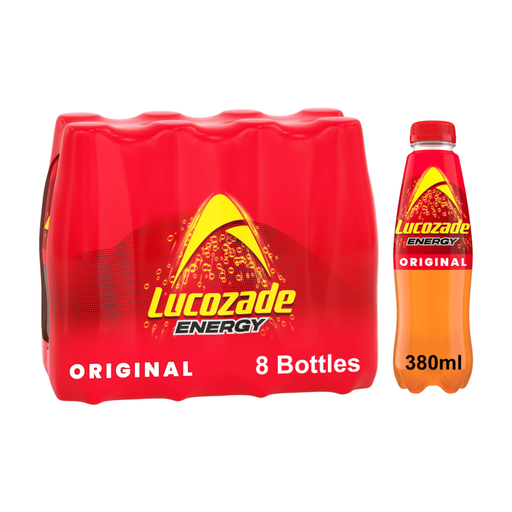
Lucozade Energy Original, 8 × 380 ml
A bottled option if you want to compare a carbohydrate-containing drink with canned choices before or after a run. The listing states 8.9 g carbohydrate per 100 ml and includes caffeine among the ingredients; check the pack for the caffeine amount per bottle. These bottles are plastic, not glass.
View on Joybuy
Questions about 5k drinks
Do I need an energy drink for a 5k?
No energy drink is automatically necessary for a 5k. The UK Sports Institute describes caffeine’s possible effects on performance as highly individual, so an unfamiliar drink is not something to assume will help on the day.
Is a glass bottle better for a 5k?
Glass packaging alone does not establish a running-fuel advantage. Confirm the material of the exact drink and any event or venue rules: the named Red Bull, Monster and Relentless examples are cans, while the Lucozade Energy Original bottle is plastic.
How should I compare caffeine amounts?
Compare caffeine per whole container for the exact variant, then count other sources you consume that day. The European Food Safety Authority’s assessment says daily intakes up to 400 mg from all sources do not raise safety concerns for adults in the general population, except pregnant women; that is not a target or a prediction of how you will respond before a run.
What if I am pregnant or could be pregnant?
Use pregnancy-specific guidance rather than general adult caffeine figures. The NHS advises no more than 200 mg caffeine a day during pregnancy and lists energy drinks among the sources to count.


