For post-workout recovery, prioritise fluids and food rather than using a sparkling energy drink in place of either. If you also want one for taste or caffeine, compare the caffeine in the whole can before choosing a size, then consider how its sugar content fits with the food you plan to eat. NHS hydration guidance and nidirect’s exercise advice support that distinction between replacing fluids, refuelling and choosing an optional caffeinated drink.
Who is this choice for?
A sparkling energy drink is an additional choice after exercise, not a substitute for planning fluids and food.
Gym-goers who want a fizzy drink afterwards
If you have already planned what to drink and eat after training, compare caffeine per whole can when choosing a drink for taste or alertness. A zero-sugar label does not tell you how much caffeine the can contains.
Shoppers keeping an eye on sugar
A zero-sugar sparkling option may fit your preference, but consider it alongside your post-workout food. If you need to refuel after exercise, plan carbohydrate-containing food separately.
People finishing long or demanding exercise
Start with the fluids and food your session calls for. The NHS advises extra fluids after sweating and identifies water as the preferred way to replace lost fluids; nidirect advises eating carbohydrate-containing food after exercise.
What should you check?
Settle your fluid and food plans first. Then compare energy-drink labels by the amount in the can you would actually drink, rather than by can size or a front-of-pack description alone.
| Priority |
What to check |
Your needs |
| Fluids and food |
Plan a suitable drink after sweating and carbohydrate-containing food after exercise. Consider protein-containing food as part of your eating plan, rather than treating an energy drink as a meal. These priorities follow NHS and nidirect guidance. |
I want to replace fluids and eat after training; a fizzy energy drink would be an extra, not my recovery plan. |
| Caffeine per can |
Read the amount for the whole container and account for caffeine from other drinks or products. Tesco lists 80mg in a 250ml Lucozade Alert Zero Sugar Mango Peachade can; Monster Energy UK lists 150mg in a 500ml Monster Ultra can. |
If I also have coffee, tea or a pre-workout product, I need to consider that caffeine before opening another can. |
| Sugar |
Compare sugars per can with your food plans. Tesco lists 0.5g sugars for the 250ml Lucozade Alert Zero Sugar Mango Peachade; Monster Energy UK describes its 500ml Monster Ultra as containing 0g sugar. A zero-sugar drink does not replace food after exercise. |
I may prefer a drink with little or no sugar, or choose a sugared one deliberately. Either way, I still need to decide what to eat after my workout. |
| Size and fizz |
Check that the drink is described as sparkling or carbonated, then compare can volume alongside its total caffeine. For example, the cited Lucozade Alert can is 250ml, while the cited Monster Ultra can is 500ml. |
I want a fizzy drink in a size I would finish, without overlooking the caffeine that comes with the larger can. |
Common buying mistakes
-
Using an energy drink as the whole recovery plan
A caffeinated drink does not take the place of planning fluids and food after exercise. The NHS advises drinking extra fluids after sweating, while nidirect recommends carbohydrate-containing food for refuelling.
Arrange your drink and food first; choose an energy drink separately if you still want its taste or caffeine.
-
Reading “zero sugar” as “little caffeine”
Monster Energy UK lists 150mg caffeine in a 500ml Monster Ultra can, while Tesco lists 80mg in a 250ml Lucozade Alert Zero Sugar Mango Peachade can. Both are presented as zero-sugar options.
Compare caffeine per whole can and include other caffeine you expect to have that day.
-
Choosing a sugared can for recovery on sugar content alone
Sugar contributes carbohydrate, but that single feature does not make an energy drink a replacement for post-workout food and fluids.
If you choose a sugared drink, consider its sugar alongside what you will eat, and check the current pack label for the amount per can.
-
Treating a proposed age restriction as a current UK-wide rule
In July 2026, the UK Department of Health and Social Care and Department for Education announced an England-only restriction planned for April 2027, subject to Parliamentary approval. The announcement concerns sales to under-16s of drinks other than tea or coffee containing more than 150mg caffeine per litre.
For an under-16 purchase, check the rules in the relevant UK nation and the retailer’s policy at the time of purchase.
Brand and product-line references
These examples illustrate differences between particular drinks; a brand name alone does not establish the caffeine or sugar content of every product it sells.
Red Bull
Red Bull UK describes its Original Energy Drink in a 250ml can as containing 80mg caffeine. Check the particular pack when comparing its sugars with another drink.
- A stated whole-can caffeine amount makes this 250ml Original drink straightforward to compare with other named products.
- A sugared energy drink remains separate from the fluids and food needed after exercise.
Monster
Monster Energy UK describes Monster Ultra as a 500ml, zero-sugar drink containing 150mg caffeine per can.
- The stated can size, sugar content and caffeine amount help shoppers compare this specific Ultra product.
- Its 150mg caffeine serving needs to be considered alongside other caffeine; zero sugar does not provide post-workout carbohydrate.
Relentless
Relentless describes White Citrus as a carbonated citrus-flavour energy drink containing sugar, sweetener and caffeine.
- Its product description establishes the carbonated format for shoppers seeking a fizzy option.
- Check the pack’s caffeine amount per can before comparing it with drinks labelled 80mg or 150mg per can.
Lucozade
Tesco describes Lucozade Alert Zero Sugar Mango Peachade as a sparkling 250ml energy drink with 80mg caffeine and 0.5g sugars per can.
- This named Alert drink provides a smaller-can comparison for shoppers who want a sparkling, low-sugar option.
- Plan food separately if refuelling after exercise is the reason for the purchase.
Joybuy product options
These Red Bull multipacks offer a choice between a sugar-free 250ml can and a sugared 250ml can. Compare the current pack labels and treat either drink as optional alongside post-workout fluids and food.
 No image available
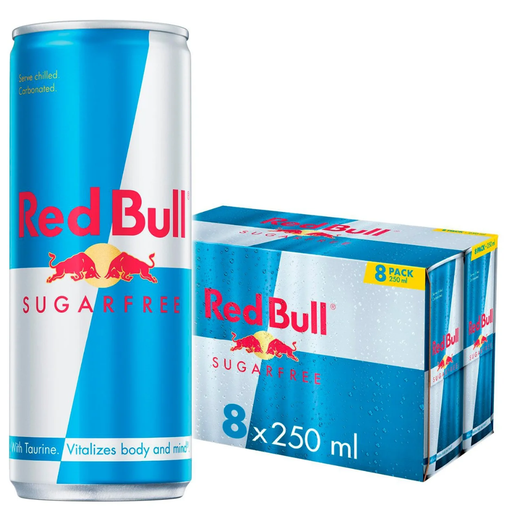
Red Bull Sugar Free, 8 × 250ml
A smaller-can sugar-free option if you want an energy drink after arranging post-workout fluids and food. The multipack contains eight 250ml cans; check the current can label for its caffeine serving before choosing it alongside other caffeinated drinks.
View on Joybuy
 No image available
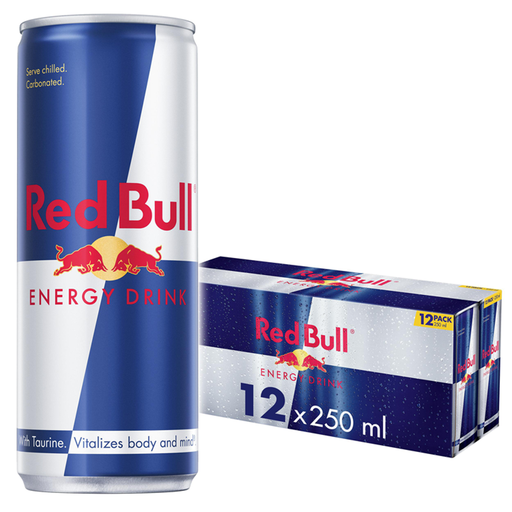
Red Bull Energy Drink, 12 × 250ml
A sugared 250ml-can option if you want a caffeinated drink alongside, rather than instead of, post-workout food and fluids. Red Bull UK states that its Original Energy Drink contains 80mg caffeine per 250ml can. Check this multipack’s current label for its precise sugar content.
View on Joybuy
Questions about post-workout drinks
Can a sparkling energy drink replace a post-workout drink and snack?
No: plan fluids and food separately rather than relying on an energy drink for the whole recovery plan. The NHS advises extra fluids after sweating and identifies water as the preferred way to replace lost fluids; nidirect advises carbohydrate-containing food after exercise and notes the role of protein-containing food in muscle repair.
When does a zero-sugar option make sense after training?
Choose one if you want a fizzy caffeinated drink while limiting sugar, provided you have considered your other caffeine and planned food separately. Tesco lists 0.5g sugars per 250ml Lucozade Alert Zero Sugar Mango Peachade can, while Monster Energy UK describes Monster Ultra as containing 0g sugar per 500ml can; neither sugar figure makes the drink a substitute for refuelling food.
Why compare caffeine per can rather than can size?
The whole-can amount tells you how much caffeine you would consume if you finish it. Tesco lists 80mg in a 250ml Lucozade Alert Zero Sugar Mango Peachade can, Monster Energy UK lists 150mg in a 500ml Monster Ultra can, and Red Bull UK lists 80mg in a 250ml Original Energy Drink can. Consider other sources of caffeine as well.
Is there a UK-wide under-16 energy-drink sales ban?
The UK Government’s July 2026 announcement describes a planned England-only restriction from April 2027, subject to Parliamentary approval, not a UK-wide rule. It concerns sales to under-16s of drinks other than tea or coffee containing more than 150mg caffeine per litre. Check the applicable nation’s rules and the retailer’s policy when purchasing.


