For an occasional pre-workout drink, choose a multipack by the caffeine and sugar in each can, as well as the number of cans you will use. Red Bull states that its standard 250 ml can contains 80 mg caffeine and 27 g sugars; Monster Energy lists 150 mg caffeine and 0 g sugar for a 500 ml Ultra, or 160 mg caffeine and 55 g sugar for a 500 ml Original Green. Count caffeine from coffee, tea and any caffeinated pre-workout supplement alongside the drink, in line with UK government guidance.
Who might consider a multipack?
People planning a smaller caffeine serving
If you would rather open a 250 ml can than a 500 ml one before training, compare the caffeine in the specific recipes. Red Bull lists 80 mg per standard 250 ml can; Monster Energy lists 150 mg to 160 mg in the cited 500 ml Ultra and Original Green cans.
Shoppers comparing sugar formulations
Check the exact recipe, not just the brand or can size. Monster Energy lists 0 g sugar for a 500 ml Ultra and 55 g for a 500 ml Original Green; Red Bull lists 27 g sugars for its standard 250 ml can.
People using other caffeinated products
If coffee, tea or a pre-workout supplement is also part of your day, add its labelled caffeine to the amount in the can. UK government guidance notes that pre-workout supplements can contain caffeine and that intake needs to be considered across sources.
What should you check before buying?
Start with the amount in one can, then decide whether the recipe and pack quantity fit how often you intend to use it.
| Priority | What to check | Your needs |
|---|
| Caffeine per can |
Read the milligrams per can and the can volume. Red Bull lists 80 mg in its standard 250 ml can; Monster Energy lists 150 mg in a 500 ml Ultra and 160 mg in a 500 ml Original Green. Add caffeine from other drinks and supplements. |
I would rather plan around a defined can than assume that a larger can is the same serving. If I also have coffee or a caffeinated pre-workout, I need to count that too. |
| Sugar formulation |
Compare the exact recipe and sugar per can. Red Bull lists 27 g sugars in its standard 250 ml can; Monster Energy lists 55 g in a 500 ml Original Green and 0 g in a 500 ml Ultra. Zero sugar does not mean zero caffeine. |
I want to know whether the cans I am stocking contain sugar, without losing sight of their caffeine content. |
| Pack and can size |
Check both the number of cans and the volume of each. Tesco Groceries has listed multipacks with different counts and 250 ml or 500 ml cans; compare the exact variant on the pack. |
A multipack only fits my plans if its can size and quantity match how often I expect to open one. |
| Warnings and intended user |
Read the warning on the exact pack, especially if it is for a shared household. The Joybuy listing for the standard Red Bull 8 × 250 ml pack carries a high-caffeine warning and says it is not recommended for children or pregnant or breastfeeding women. |
If other people may take a can from the pack, I want its label and caffeine information to be clear before I buy it. |
Common buying mistakes
-
Treating 250 ml and 500 ml cans as equivalent servings
For the cited recipes, Red Bull lists 80 mg caffeine per standard 250 ml can, while Monster Energy lists 150 mg to 160 mg per 500 ml Ultra or Original Green can. Pack count alone does not show what one opened can contains.
Compare milligrams of caffeine per can, then choose a can size you intend to use.
-
Reading “zero sugar” as “caffeine-free”
Monster Energy lists 0 g sugar but 150 mg caffeine in a 500 ml Ultra can. The sugar description does not tell you the caffeine dose.
Check sugar and caffeine separately on the exact pack, along with its warning statement.
-
Forgetting caffeine from other products
UK government guidance notes that pre-workout supplements can contain caffeine and advises considering caffeine intake across sources. An energy drink is not a separate allowance from coffee, tea or supplements.
Add the labelled caffeine from the products you expect to use before deciding whether to open another can.
Brand ranges to compare
A brand name alone does not identify a can's size, sugar formulation or caffeine content; compare the particular range and recipe.
Red Bull
Its standard 250 ml energy drink is a reference point for shoppers considering smaller cans; Tesco Groceries has listed 8 × 250 ml multipacks.
- Red Bull states that each standard 250 ml can contains 80 mg caffeine and 27 g sugars.
- The standard recipe contains sugar. Check sugar-free variants as separate products, including their caffeine labels.
Monster
Its cited Original Green and Ultra recipes are both 500 ml cans, but they have different sugar figures.
- Monster Energy lists 160 mg caffeine and 55 g sugar for a 500 ml Original Green, and 150 mg caffeine and 0 g sugar for a 500 ml Ultra.
- Neither cited 500 ml recipe has the same per-can caffeine amount as Red Bull's standard 250 ml can; check the exact variant before planning a serving.
Relentless
Relentless is another range to consider when comparing energy-drink flavours and pack formats; its retailer locator names Tesco and Sainsbury's.
- The brand provides a retailer locator for UK shoppers.
- Its White Citrus product page says the drink is not recommended for children, people sensitive to caffeine, or pregnant or nursing women. Check the caffeine and nutrition label of the exact pack you choose.
Lucozade
Lucozade describes Alert as a high-caffeine range and markets Sport for fuel and hydration during activity. They serve different stated purposes.
- The separate range descriptions help distinguish a caffeine-focused purchase from one focused on an exercise drink.
- Do not assume products across the two ranges have the same caffeine or nutrition profile; read the exact label.
Joybuy energy-drink multipacks
These multipacks offer different can sizes and standard or sugar-free recipes for shoppers considering an occasional pre-workout drink. Compare each exact pack's label before treating it as part of your caffeine plan.
 No image available
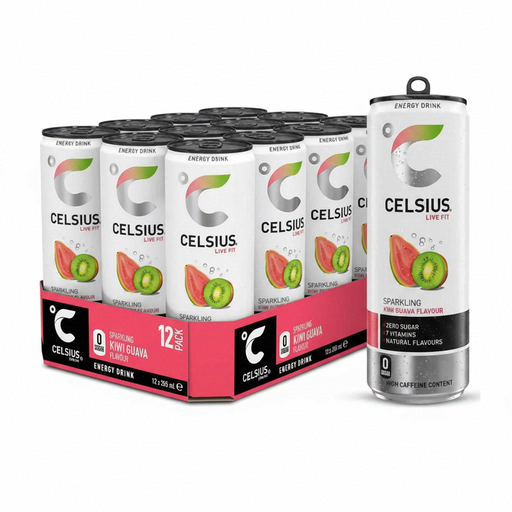
CELSIUS Kiwi Guava 12 × 355 ml
The 355 ml can sits between the 250 ml and 500 ml formats shown here. Check the exact can's caffeine and sugar information before including it alongside other drinks or supplements.
View on Joybuy
 No image available
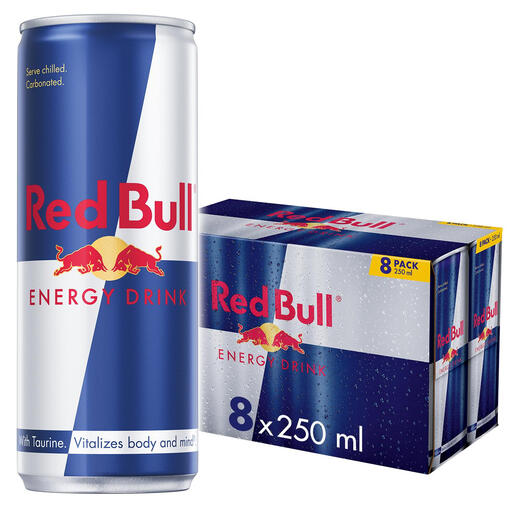
Red Bull Energy Drink 8 × 250 ml
This pack provides 250 ml standard-recipe cans for shoppers who prefer that size to a 500 ml can. Red Bull states that each standard 250 ml can contains 80 mg caffeine and 27 g sugars; the pack carries a high-caffeine warning.
View on Joybuy
 No image available
Monster Energy Original Green 9 × 500 ml
Consider this regular-sugar recipe if you intend to open a 500 ml can. Monster Energy lists 160 mg caffeine and 55 g sugar per 500 ml Original Green can, so plan around the full can rather than the pack count alone.
View on Joybuy
 No image available
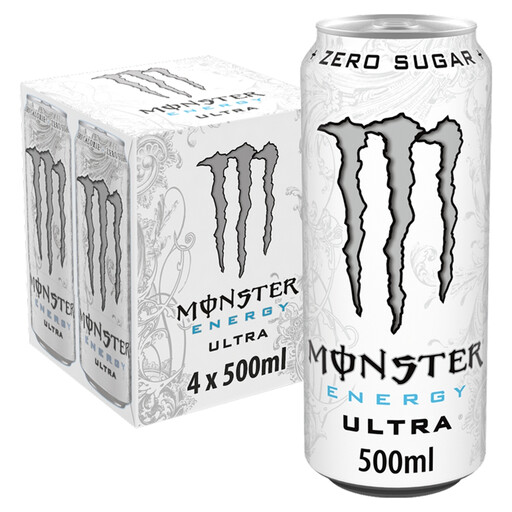
Monster Energy Ultra Zero Sugar 4 × 500 ml
This is a zero-sugar option for shoppers who want a 500 ml can. Monster Energy lists 0 g sugar for its 500 ml Ultra; check the caffeine amount on this exact pack before planning how much to drink.
View on Joybuy
 No image available
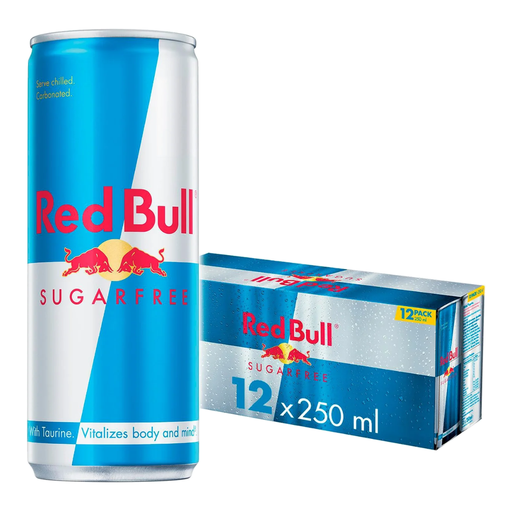
Red Bull Sugarfree Energy Drink 12 × 250 ml
This sugar-free variant combines a 250 ml can with a 12-can pack. Check its own caffeine label rather than using the figure for standard Red Bull, and count other caffeinated drinks or supplements you plan to have.
View on Joybuy
Questions about pre-workout drinks
Should I choose a 250 ml or 500 ml can before a workout?
Choose according to the caffeine in the specific can and the volume you intend to drink. Red Bull lists 80 mg caffeine in its standard 250 ml can, while Monster Energy lists 150 mg to 160 mg in its cited 500 ml Ultra and Original Green cans; those are different amounts to account for when planning one serving.
Does zero sugar mean an energy drink is caffeine-free?
No. Monster Energy lists 0 g sugar and 150 mg caffeine for its 500 ml Ultra. Check the sugar and caffeine figures separately on the particular pack you are buying.
How do I count an energy drink alongside coffee or pre-workout supplements?
Add the caffeine listed for each product you expect to use, including the energy drink, coffee, tea and any caffeinated supplement. UK government guidance notes that pre-workout supplements can contain caffeine and that intake should be considered across sources.
Can an energy drink replace a snack or a hydration plan?
Do not treat an energy-drink multipack as an automatic substitute for either. Compare its caffeine and sugar label with what you intend to use before training; Lucozade, for example, describes its Alert range as high-caffeine and separately markets Sport for fuel and hydration during activity.


