Adults short on breakfast time
If a drink is the easiest thing to take out the door, plan portable food separately. NHS Grampian’s breakfast guidance suggests a fibre-rich carbohydrate, a protein source and fruit or vegetables.


An energy drink should accompany, not replace, a grab-and-go breakfast: NHS Grampian’s breakfast guidance suggests combining a fibre-rich carbohydrate, a protein source and fruit or vegetables. If you want a caffeinated drink while avoiding sugar in the drink, check for 0g sugar and compare caffeine per whole can; a regular-sugar drink does not serve as the meal either.
If a drink is the easiest thing to take out the door, plan portable food separately. NHS Grampian’s breakfast guidance suggests a fibre-rich carbohydrate, a protein source and fruit or vegetables.
Zero sugar answers one question about the drink, but not how much caffeine is in the can. Red Bull Sugarfree and Monster Ultra list different whole-can caffeine amounts.
Count caffeine from other drinks and foods as well as the energy drink. This is particularly important during pregnancy: the NHS advises no more than 200mg of caffeine a day from all sources.
Choose the food component first, then check the drink’s sugar and caffeine figures against the size of the can you intend to drink.
| Priority | What to check | Your needs |
|---|---|---|
| Breakfast food | Plan a portable fibre-rich carbohydrate, protein source and fruit or vegetables, as suggested by NHS Grampian. Treat the drink as a separate choice. | I need something I can take with me that serves as breakfast, whether or not I choose caffeine. |
| Sugar | Read sugars per 100ml and per can. Check the ingredients if particular sweeteners matter to you; zero sugar does not mean caffeine-free. | If I want to avoid sugar in my drink, I’ll look for a stated 0g sugar figure rather than choose by the flavour or the word “energy”. |
| Caffeine | Compare milligrams per whole can, then account for caffeine from other sources. Red Bull lists 80mg in a 250ml Sugarfree can; Monster lists 150mg in a 500ml Ultra can. | A larger can may change how much caffeine I have at once, even when both drinks have no sugar. |
| Warnings | Read the current can’s warnings and caffeine amount. During pregnancy, the NHS advises no more than 200mg of caffeine a day from all sources. | If pregnancy or caffeine sensitivity affects my choice, a zero-sugar label alone does not answer whether the drink is suitable for me. |
Removing sugar from the drink does not provide the food components in NHS Grampian’s breakfast guidance.
Pack breakfast food first, such as yoghurt with fruit and oats or eggs on wholemeal toast, then decide whether you want the drink.
Red Bull lists 80mg caffeine in a 250ml Sugarfree can, while Monster lists 150mg in a 500ml Ultra can. Both are zero-sugar options, but their stated whole-can caffeine amounts differ.
Check sugar and caffeine for the entire can, not just per 100ml, and include other caffeine you expect to have that day.
Zero-sugar energy drinks can still contain caffeine. The NHS advises a daily limit of 200mg from all sources during pregnancy; Relentless also warns that its Guava drink is not recommended for children or people sensitive to caffeine.
Read the warning on the specific can and consider your total caffeine intake rather than relying on its sugar description.
These range references help distinguish sugar and caffeine labels; they do not establish that every flavour has the same formulation.
Red Bull Sugarfree is a 250ml energy-drink option for comparing caffeine in a smaller can.
Monster Ultra provides a larger zero-sugar can for adults comparing whole-can servings.
Lucozade Zero is a zero-sugar soft-drink range, not a single energy-drink specification.
Relentless has caffeinated energy-drink products, but the formulation needs checking by flavour.
These are small- and larger-can energy-drink options for someone choosing a drink alongside grab-and-go breakfast food, not in place of it. Check the current pack for sugar, caffeine and warnings before deciding.
 No image available
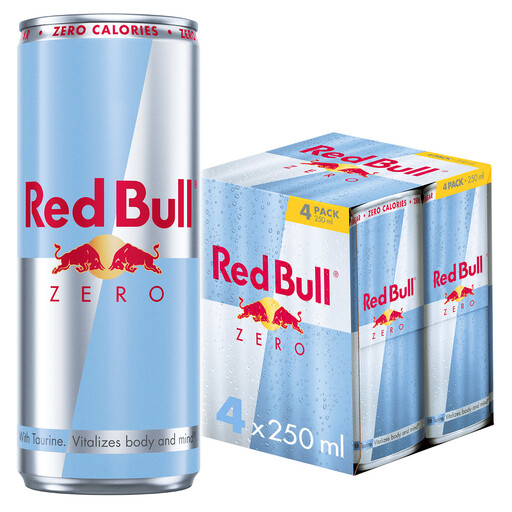
The four-pack contains 250ml cans for a drink alongside breakfast food. Check the current can for its sugar figure, caffeine amount and warnings rather than using the word “Zero” to judge those details.
 No image available
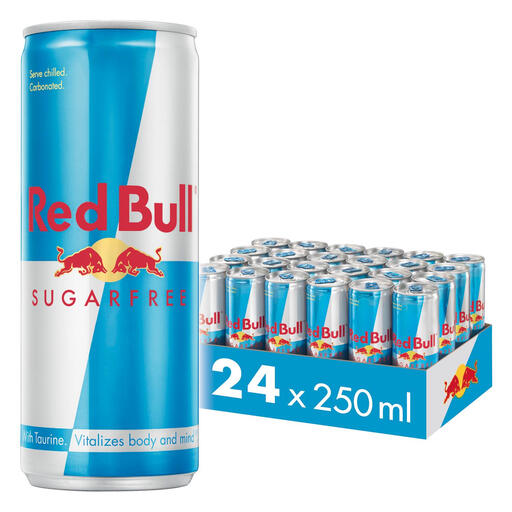
This pack offers 250ml cans as an optional drink alongside breakfast. Red Bull states that Sugarfree contains no sugars and 80mg caffeine per 250ml can; check the current can’s ingredients if your choice depends on particular sweeteners.
 No image available
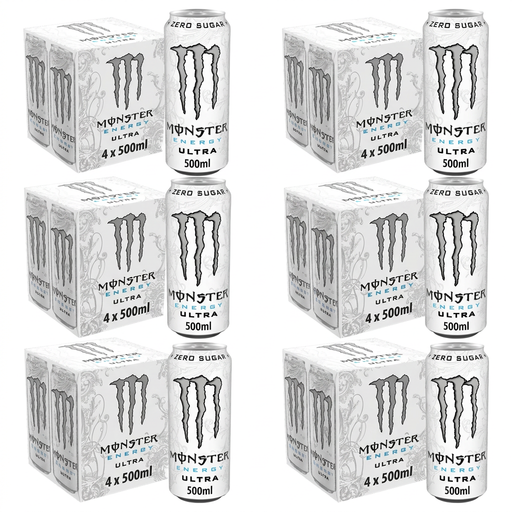
The 500ml cans are a larger drink option alongside, rather than instead of, breakfast food. Monster lists 0g sugar and 150mg caffeine per 500ml Ultra can; include that whole-can amount when considering other caffeine during the day.
No: an energy drink is a drink, not a substitute for breakfast food. NHS Grampian suggests building a breakfast from a fibre-rich carbohydrate, a protein source and fruit or vegetables; choose any caffeinated drink separately.
No. Red Bull states that a 250ml Sugarfree can contains 80mg caffeine, and Monster lists 150mg in a 500ml Ultra can despite its 0g sugar figure. Read both figures on the specific can.
Compare the amount in the whole can and count other sources, including coffee and tea. The European Food Safety Authority’s 2015 assessment states that daily intake up to 400mg from all sources does not raise safety concerns for adults in the general population, except pregnant women; that figure is not a target to reach.
The NHS advises no more than 200mg caffeine a day during pregnancy, counting all sources, including energy drinks. A can’s caffeine amount contributes to that total, so read its label and warnings rather than assuming zero sugar makes it suitable.
Ingredients and nutrition information can change when a food or drink is reformulated, as Tesco’s product guidance notes. Check the current pack for sugars, caffeine, ingredients, allergens and serving size when those details affect your choice.