Adults considering a smaller sugar-free can
If you want a sparkling drink alongside breakfast and prefer a defined, smaller serving, Red Bull UK lists 80 mg caffeine in each 250 ml Sugarfree can. Include it when counting caffeine from other sources.


For an adult choosing a sparkling energy drink at weekend breakfast, treat it as an optional drink alongside food, not a replacement for breakfast. Compare caffeine and sugar per whole can: Red Bull UK lists 80 mg caffeine in a 250 ml Sugarfree can, while Tesco lists 160 mg in a 500 ml sugar-free Monster Ultra can. Count caffeine from other drinks that day too.
If you want a sparkling drink alongside breakfast and prefer a defined, smaller serving, Red Bull UK lists 80 mg caffeine in each 250 ml Sugarfree can. Include it when counting caffeine from other sources.
A zero-sugar label does not tell you how much caffeine is in the can. Tesco lists 160 mg caffeine in a 500 ml Monster Ultra can, so compare the whole serving before choosing it.
Pregnancy, caffeine sensitivity and drinks intended for children call for particular attention to the pack warning. The NHS advises no more than 200 mg caffeine a day during pregnancy, counting energy drinks and other sources.
Start with the amount in the can you would actually drink, then check how the drink fits alongside breakfast and any other caffeine that day.
| Priority | What to check | Your needs |
|---|---|---|
| Caffeine per can | Read the caffeine amount for the whole can and its size. Red Bull UK lists 80 mg per 250 ml Sugarfree can; Tesco lists 160 mg per 500 ml Monster Ultra can. | I want to know how much caffeine one can adds to the coffee, tea or other caffeinated drinks I might have that day. |
| Sugar and formulation | Check the exact flavour’s sugar declaration and serving size. Monster Energy UK lists 55 g sugar per 500 ml Original can; Tesco describes Monster Ultra 500 ml as sugar-free. | If I am choosing a sugar-free drink, I still need to check its caffeine amount rather than treating the two labels as equivalent. |
| Breakfast food | Consider the drink separately from the food in your meal. The NHS Eatwell Guide describes a balanced diet in terms of food groups; an energy drink does not replace them. | I want a breakfast made from food, with a sparkling drink only if I choose one alongside it. |
| Warnings and age checks | Read the exact pack warning. For pregnancy, count caffeine from all sources against the NHS advice of no more than 200 mg a day. Check the seller’s age-verification policy when buying for a young person. | Before ordering for someone else, I need to know whether the product warning or the retailer’s age check affects the purchase. |
Tesco describes Monster Ultra 500 ml as sugar-free but lists 160 mg caffeine per can.
Check caffeine for the whole can separately from its sugar declaration, and include other caffeine you have that day.
The NHS Eatwell Guide describes a balanced diet through food groups, which an energy drink does not replace.
Choose breakfast food separately; assess any energy drink as a beverage alongside it.
Monster Energy UK lists 55 g sugar and 160 mg caffeine in a 500 ml Original can. Its sugar figure differs from the sugar-free Monster Ultra example.
Compare the nutrition panel and caffeine statement for the particular flavour and can size you intend to drink.
Sainsbury's says it does not sell high-caffeine energy drinks to under-16s and applies age verification to products marked as not recommended for children.
Check the retailer’s current age-verification requirements before ordering for a young person.
The Red Bull Sugarfree range includes a 250 ml can that Red Bull UK lists as containing 80 mg caffeine.
The compared 500 ml cans include Monster Original and the sugar-free Monster Ultra.
Relentless Energy UK describes White Citrus as a carbonated citrus drink containing caffeine, sugar and sweetener.
Lucozade describes Alert as a sparkling, high-caffeine drink range with vitamin B3.
These sparkling energy-drink options cover different can sizes and pack formats for adults considering a drink alongside weekend breakfast. Check the exact can’s caffeine and sugar statements before deciding.
 No image available
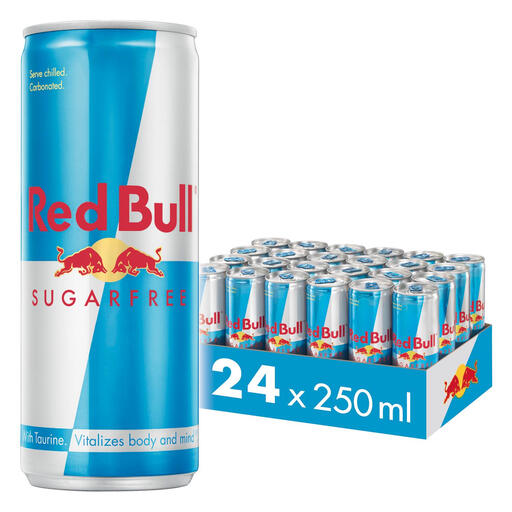
For an adult comparing smaller sugar-free cans to have alongside breakfast. Red Bull UK lists 80 mg caffeine per 250 ml can; count each can you drink with other caffeine sources. The pack contains 24 cans.
 No image available
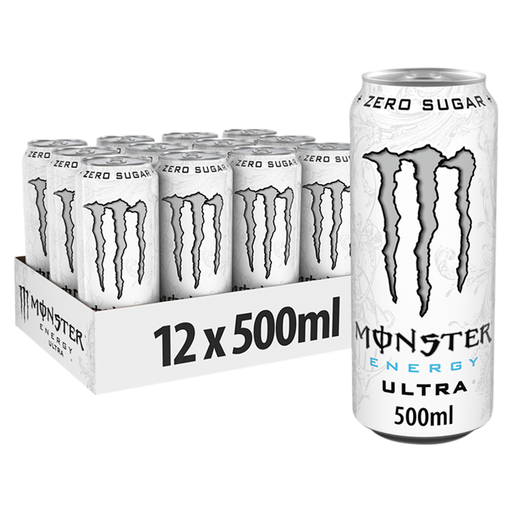
For an adult considering a larger sugar-free can alongside breakfast. Tesco lists 160 mg caffeine in a 500 ml Monster Ultra can, despite its zero-sugar formulation. This pack contains 12 cans.
 No image available
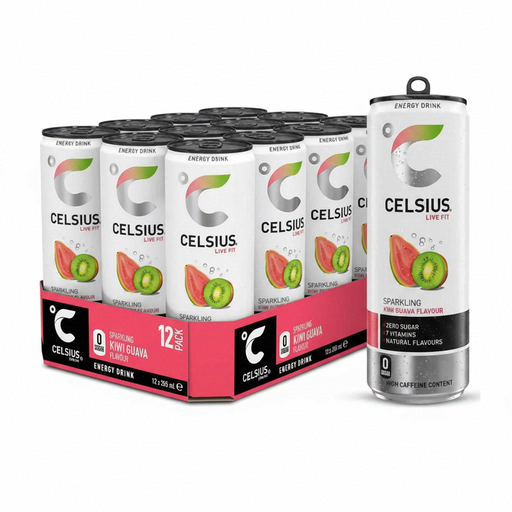
A 12-pack of 355 ml cans to consider as a drink alongside breakfast. Check the exact can’s caffeine and sugar statements when comparing it with the other sizes shown here.
 No image available
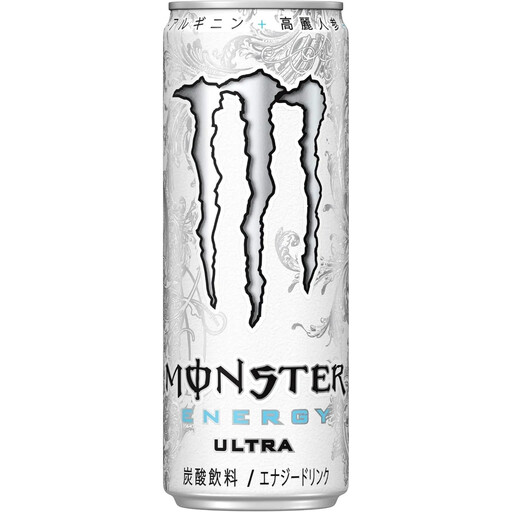
A 355 ml carbonated energy drink for comparison with the other can sizes. Check this exact version’s pack label for caffeine per can and sugar before choosing it; do not apply figures from a different Monster Ultra can.
No. The NHS Eatwell Guide describes a balanced diet through food groups, which an energy drink does not replace. If you choose one, consider it a beverage alongside breakfast and check its caffeine and sugar separately.
Red Bull UK lists 80 mg in a 250 ml Sugarfree can. Monster Energy UK lists 160 mg in a 500 ml Original can, while Tesco lists 160 mg in a 500 ml sugar-free Monster Ultra can. Check the label when choosing another size or variant.
Add caffeine from the whole can to caffeine from other sources, including coffee and tea. The European Food Safety Authority states that daily intake from all sources up to 400 mg does not raise safety concerns for adults in the general population, except pregnant women; individual sensitivity still matters.
The NHS advises no more than 200 mg caffeine a day during pregnancy and identifies energy drinks as one source. Count caffeine from all drinks and foods, read the particular product warning and raise individual concerns with your maternity professional.