
24/7 Customer Support

Free returns

Same-day & Next-day Delivery

Quality Guaranteed

Unlock Your Welcome Offers: FREE Delivery | Up to 80% OFF | Free 30-day JoyPlus trial
Download the APP
Navigating the world of energy drinks can feel like a workout in itself. With shelves packed with vibrant cans all promising to boost your performance, focus and stamina, it's easy to make a purchase you later regret. Many of us have been caught out by drinks that are either packed with hidden sugars or simply aren't designed for our specific needs, whether that's a gym session, a long study night or an endurance run.
As the Joybuy Product Recommendation Officer, my role is to help you see past the marketing buzz. Let's break down two common pitfalls to avoid when you're looking to buy energy drinks:
To make an informed choice, you need to look beyond the flashy can and analyse a few core parameters. Focusing on these details ensures the drink you choose genuinely matches your requirements.
Caffeine is the primary active ingredient in most caffeinated drinks, but the amount can vary significantly. A standard 250ml can of a classic energy drink like Red Bull typically contains around 80mg of caffeine, similar to a strong cup of coffee. However, many pre workout drinks or larger 500ml cans can contain 160mg, 200mg or even more.
The source of caffeine can also differ, ranging from synthetic caffeine to natural extracts from green tea or guarana seeds. While the effect is similar, some people prefer plant-based sources.
The carbohydrate content, particularly sugar, is a key differentiator.
The ingredients list reveals the drink's true purpose.
Instead of a one-size-fits-all approach, we've matched a few options to specific user needs. This helps ensure you're getting the right product for your lifestyle, whether you're buying a single can or an energy drinks case.
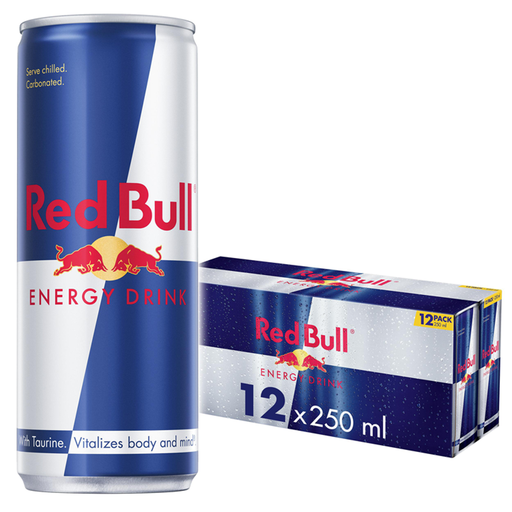
Why This Fits Their Persona: Ideal for someone needing a reliable and moderate boost to power through deadlines or study sessions. The 80mg of caffeine per can provides alertness without being overwhelming, and buying a bulk energy drinks pack is convenient for stocking the home or office fridge.
This is a classic energy drink, not a sports drink. Its purpose is clear: to vitalise body and mind with caffeine, B-vitamins and sugars for quick energy. There's no confusion about its role.
Contains B-group vitamins which contribute to reducing tiredness and fatigue. The formula has been consistent for years, offering a predictable and trusted effect.
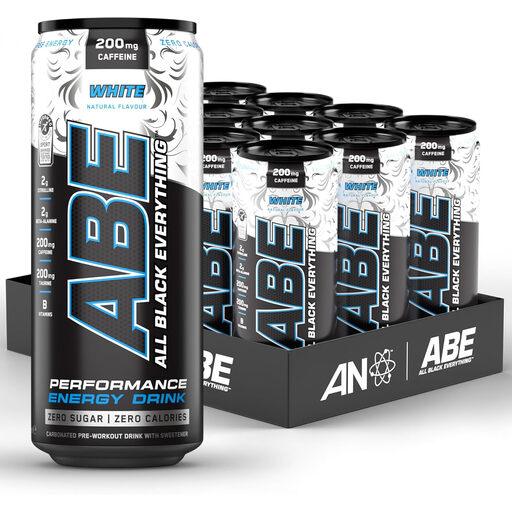
Why This Fits Their Persona: Specifically designed for gym-goers and athletes. It delivers a high 200mg dose of caffeine for focus and contains performance-oriented ingredients. The zero sugar, zero-calorie formula aligns perfectly with a fitness-focused diet.
This is a dedicated pre workout drink, not a general energy booster. It avoids the sugar trap completely and is clearly labelled for use before training, preventing misuse as a simple thirst quencher.
Contains 2g of Beta-Alanine and 2g of Citrulline Malate per can, ingredients valued in the fitness community for their role in supporting endurance and blood flow during exercise.
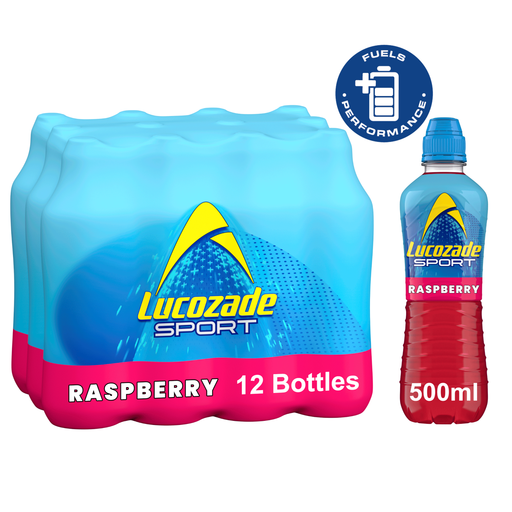
Why This Fits Their Persona: Perfect for runners, cyclists and team sports players who need to stay hydrated during prolonged activity. Its primary function is to replenish fluids, electrolytes and carbohydrates, not to provide a caffeine stimulus.
This is a true isotonic sports drink. It directly solves the confusion between energy and sports drinks by focusing purely on hydration and performance maintenance, making it the correct choice for endurance exercise.
Formulated to enhance hydration by providing carbohydrates and sodium, which helps the body absorb and retain fluid during exercise. The sports cap bottle is practical for use on the move.
We have compiled a complete, real-time list of products that fully satisfy these strict selection criteria and UK safety regulations.
Yes, purchasing an energy drinks case or multipack is almost always more economical than buying single cans. For regular consumers, buying in bulk ensures you have a supply on hand and typically lowers the cost per unit, offering better value for money.
The primary difference lies in their function. Energy drinks are stimulants designed to increase alertness and reduce fatigue, primarily through caffeine. Sports drinks (or isotonic drinks) are designed for hydration; they replace the fluids, electrolytes (like sodium) and carbohydrates you lose through sweat during extended physical activity. They are not typically high in caffeine.