Campers avoiding added sugar
If you want a sweet-tasting drink to pack with food, compare the exact can’s sugar declaration, ingredients and caffeine amount. A no-added-sugars claim is different from a zero-sugar declaration.


Pack water for routine drinking and add an energy drink only if you want caffeine: the NHS recommends water for replacing fluids lost during activity. Red Bull states that a 250 ml Sugarfree can contains 80 mg caffeine, while Monster Energy states that a 500 ml Ultra can contains 150 mg. Check the exact can’s sugar declaration too: no added sugars does not necessarily mean zero sugar.
If you want a sweet-tasting drink to pack with food, compare the exact can’s sugar declaration, ingredients and caffeine amount. A no-added-sugars claim is different from a zero-sugar declaration.
If your trip includes walking or warm conditions, plan how you will carry and access water separately from any caffeinated drink. The NHS recommends water for replacing fluids lost during activity.
If you also drink tea or coffee, compare caffeine per can rather than can size alone. Check product warnings when choosing drinks for a mixed-age group or during pregnancy.
Start with the sugar statement and caffeine in the can you would actually drink, then plan water separately for the trip.
| Priority | What to check | Your needs |
|---|---|---|
| Sugar declaration | Compare “sugar-free”, “zero sugar” and “no added sugars” on the exact can. Read the sugars figure in the nutrition panel and the ingredients list. | I want to avoid added sugar, but I may also need to know whether the drink contains any sugar from its ingredients. |
| Caffeine per can | Check both can size and stated caffeine. Red Bull lists 80 mg per 250 ml Sugarfree can; Monster Energy lists 150 mg per 500 ml Ultra can. Include caffeine from other drinks when planning your day. | If I pack energy drinks alongside tea or coffee, I want to know how much caffeine is in one whole can. |
| Water supply | Plan water for routine drinking and activity rather than relying on energy-drink cans. The NHS recommends water for replacing fluids lost during physical activity. | For a walk or a warm campsite, I need water available regardless of whether I bring a caffeinated drink. |
| Who will drink it | Read the exact can’s caffeine amount, ingredients and warnings before sharing it. Check relevant guidance if choosing drinks during pregnancy. | In a mixed-age group, I do not want a sugar-free label to stand in for checking who the drink is intended for. |
A sugar declaration does not tell you whether a drink meets your water needs during activity. The NHS recommends water for replacing fluids lost through physical activity.
Pack water separately; choose an energy drink only if you also want a caffeinated drink.
Red Bull states 80 mg caffeine in a 250 ml Sugarfree can, while Monster Energy states 150 mg in a 500 ml Ultra can. Choosing the larger can changes the amount consumed if you drink it all.
Read the caffeine declaration on your exact can and include tea, coffee and other caffeinated drinks in your plans.
A sugar-free drink can still list sweeteners. That distinction matters if you are comparing ingredients as well as sugar.
Read the ingredients list on the can instead of relying on the front-of-pack sugar statement alone.
Red Bull Sugarfree is a compact-can example: Red Bull states 80 mg caffeine per 250 ml can.
Monster Energy describes its 500 ml Ultra can as zero sugar with 150 mg caffeine.
Relentless White Citrus is not interchangeable with a sugar-free option: Relentless describes that flavour as containing sugar and sweetener.
Tesco lists Lucozade Zero Pink Lemonade in its sugar-free energy-and-stimulant drinks category.
These cans offer different pack sizes for a camping trip. Compare their sugar declarations and check caffeine on the exact can; the no-added-sugars matcha drink is not the same choice as a zero-sugar drink.
 No image available
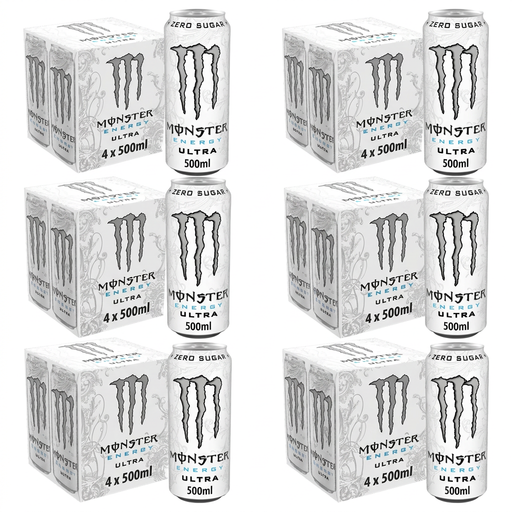
This multipack suits a trip where you want 500 ml zero-sugar cans and have room to carry 24 of them. Monster Energy states 150 mg caffeine per 500 ml Ultra can; plan water separately for drinking during activity.
 No image available
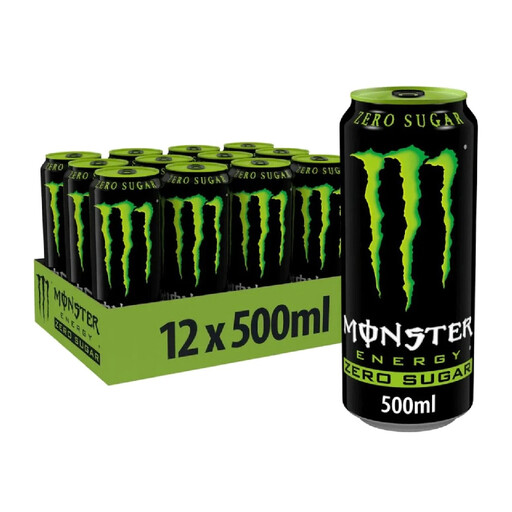
This 12-can pack is another zero-sugar option to consider when planning what to carry. Check its own caffeine declaration rather than applying the figure for Monster Ultra to a different variant.
 No image available
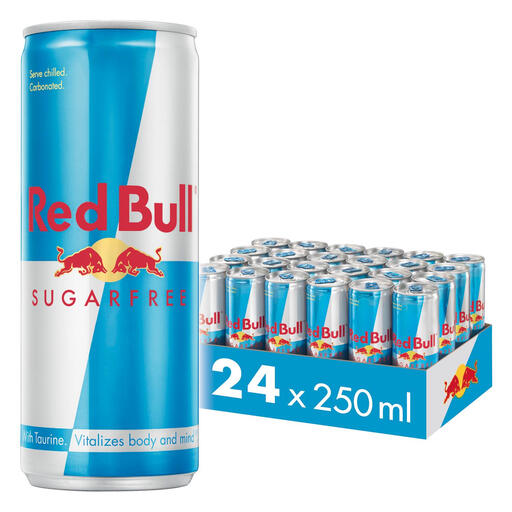
The 250 ml cans offer a smaller individual format, though this listing is for 24 cans. Red Bull states 80 mg caffeine per 250 ml Sugarfree can; check the can’s ingredients and warnings, and take water separately.
 No image available
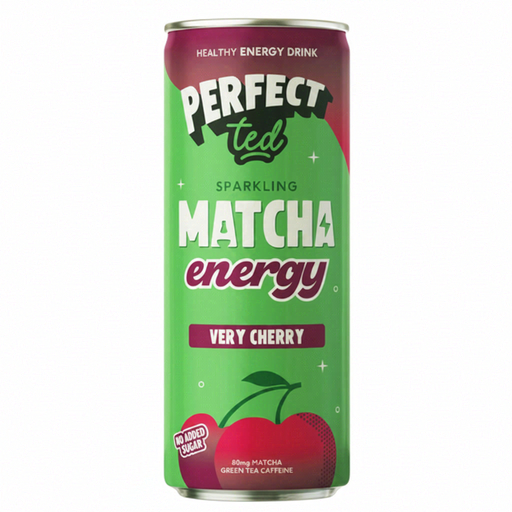
This four-can format may appeal if you are looking for a drink described as having no added sugars rather than zero sugar. Its product information reports sugars from fruit ingredients, so check the nutrition panel if the distinction matters to you; also check the caffeine declaration and warnings on the can.
Keep water separate from your energy-drink choice. A sugar-free label describes sugar, whereas the NHS recommends water for replacing fluids lost during physical activity.
Red Bull states 80 mg per 250 ml Sugarfree can, and Monster Energy states 150 mg per 500 ml Ultra can. Those figures are for the named variants, so read the label when comparing another can.
Check the exact can’s pregnancy warning and caffeine declaration, and count caffeine from other drinks such as tea and coffee. A sugar-free label does not indicate that a drink is caffeine-free.
Use it to identify drinks to compare, then read the exact can’s sugar statement, nutrition panel, ingredients, caffeine amount and warnings. Products grouped in a retailer category need not have the same formulation.