Travellers who want an energy drink
A smaller, labelled can makes the amount consumed during a journey easier to identify than treating a large volume as one portion. Check caffeine from other drinks as well.


Tesco’s energy-drink listings show 250ml and 500ml formats, while its listed 2-litre drinks are in the fizzy-drinks range. If you specifically want an energy drink for the train, consider a labelled can and check how much caffeine you intend to consume; if the main need is a large drink to share, water or a 2-litre soft drink serves a different purpose.
A smaller, labelled can makes the amount consumed during a journey easier to identify than treating a large volume as one portion. Check caffeine from other drinks as well.
If the requirement is a 2-litre bottle rather than an energy drink, water or a 2-litre soft drink addresses the bottle-size decision without confusing the two drink categories.
People sensitive to caffeine, and those buying for someone who is pregnant or breastfeeding, should check the product warning. Sainsbury’s lists these groups among those for whom Relentless Cherry is not recommended.
Choose when: You specifically want an energy drink and can check the amount you plan to consume.
Trade-off: Several cans may add up to 2 litres, but they do not meet a single-bottle requirement.
Choose when: Bottle size, sharing or regular sipping matters more than buying an energy drink.
Trade-off: These are different drink types; check a soft drink’s label for its sugar and caffeine content.
| Priority | What to check | Your needs |
|---|---|---|
| Drink type and size | Check whether the item is an energy drink, sports drink or fizzy soft drink. Confirm the size of each container, not just the multipack total. | I want one 2-litre bottle, not several smaller cans that happen to total 2 litres. |
| Caffeine | Read the caffeine declaration and calculate it for the amount you expect to drink. Include caffeine from other sources; the European Food Safety Authority’s single-dose reference of up to 200mg applies to the general healthy adult population. | If I choose an energy drink, I want to keep track of how much I drink during the journey. |
| Sugar | Compare sugars per 100ml and for the amount you expect to drink. Check caffeine separately on a sugar-free drink. | I may prefer a sugar-free option, but that does not settle my caffeine choice. |
| Journey use | Choose a container size you can carry and use on the train. National Rail says passengers may bring their own food and drink; the NHS identifies water as a choice for hydration. | For a long journey, I may want water alongside any other drink I pack. |
Tesco’s listed energy drinks include 250ml and 500ml formats, while its listed 2-litre fizzy drinks are a different category. Size alone will not identify the drink you want.
Check both the product description and the size of the individual bottle before buying.
Sainsbury’s lists Relentless Cherry at 32mg caffeine per 100ml. The caffeine in any larger amount depends on how much is consumed, not whether it comes from one bottle or several cans.
Calculate caffeine for the amount you intend to drink and account for tea, coffee and other sources. The European Food Safety Authority’s up-to-200mg single-dose reference concerns the general healthy adult population.
A train journey may call for a drink to sip over time rather than an energy drink. The NHS identifies water as a choice for hydration.
Pack water if that is your main need, then make any separate energy-drink choice using its label.
Tesco lists Red Bull energy drinks in 250ml formats, including sugar-free options.
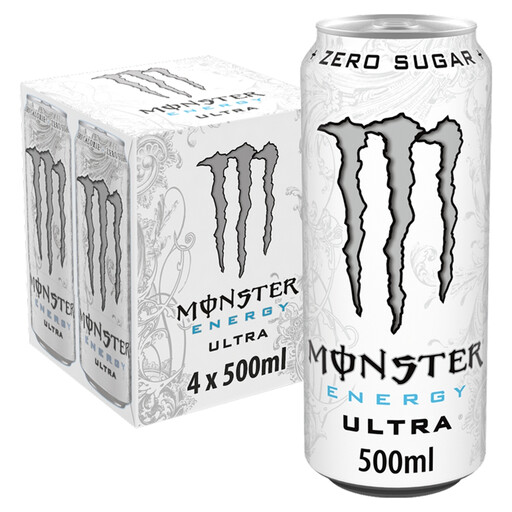
Tesco lists Monster energy drinks in 500ml formats, including Ultra and Zero Sugar multipacks.
Sainsbury’s lists Relentless Cherry as a 500ml energy drink with 32mg caffeine per 100ml.
These options include energy drinks in separate cans and 2-litre soft-drink bottles for a journey or sharing. A multipack with a total volume of 2 litres is not one 2-litre energy-drink bottle.
 No image available
Separate cans suit a traveller choosing an energy drink in identifiable portions. The four cans total 2 litres, but this is not one 2-litre bottle; check the label before deciding how much caffeine to consume.
 No image available
The 250ml cans provide smaller individual containers for a journey. This four-pack totals 1 litre rather than a single 2-litre bottle; sugar-free does not mean caffeine-free, so check the caffeine label.
 No image available
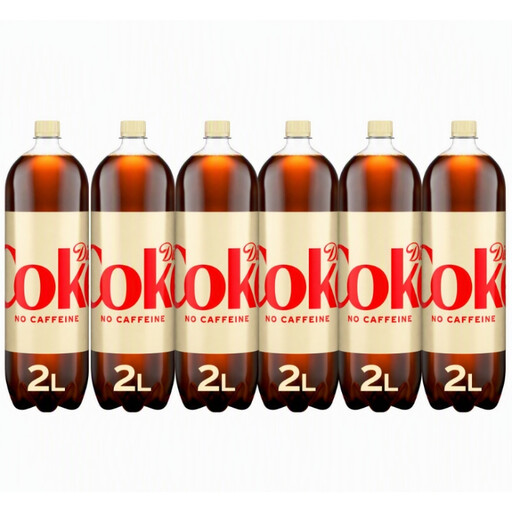
Each bottle meets the 2-litre size requirement for sharing or sipping during a journey. This is a caffeine-free soft drink, not an energy drink; the pack contains six bottles.
 No image available
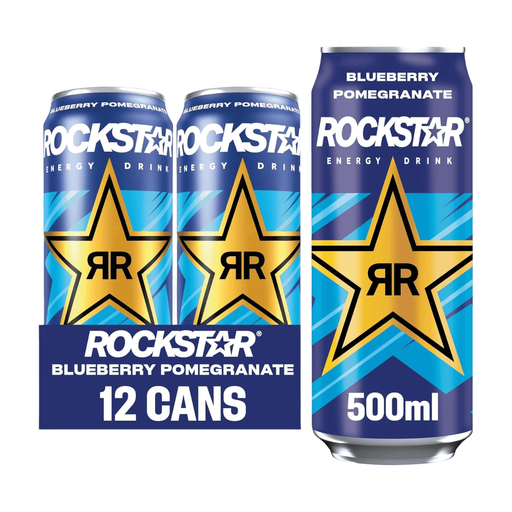
This energy-drink multipack contains separate 500ml cans, not a single 2-litre bottle. It is a larger pack than one journey requires for many travellers; check the caffeine declaration when deciding how many cans to take or drink.
 No image available
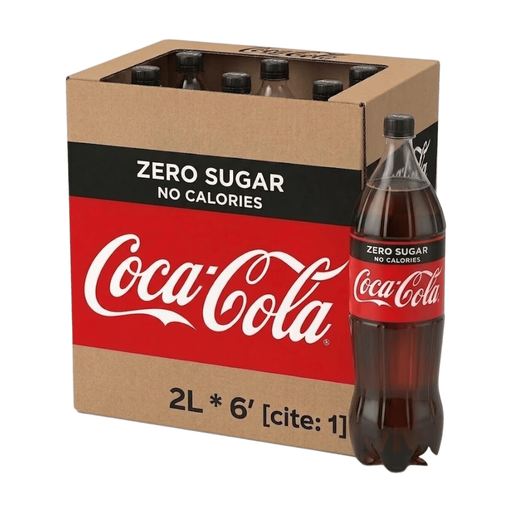
Each 2-litre bottle addresses a need for a larger drink to share, but this is a soft drink rather than an energy drink. Zero Sugar does not establish that a drink is caffeine-free; check the label if caffeine matters to your choice.
Yes. National Rail says passengers can bring their own food and drink on the train. Ask the individual operator about any service-specific arrangements you need to know about.
Do not treat bottle or multipack volume as a serving target. Sainsbury’s lists Relentless Cherry at 32mg caffeine per 100ml, so the amount consumed matters; the European Food Safety Authority’s up-to-200mg single-dose reference applies to the general healthy adult population and includes caffeine from all sources.
Check the warning on the particular drink rather than relying on its bottle size or sugar description. Sainsbury’s states that Relentless Cherry is not recommended for pregnant or breastfeeding women or people sensitive to caffeine.
Water addresses that need without requiring you to choose an energy drink. The NHS identifies water as a choice for hydration; if you prefer a flavoured or fizzy drink, check its sugar and caffeine declarations separately.