Choose sparkling energy drinks for the intended adult drinkers by checking caffeine and sugars per can, not just the number of cans in a case. Red Bull’s 250 ml classic can offers a smaller serving but contains sugar; Tesco lists Monster Ultra in a 500 ml zero-sugar format with 160 mg caffeine per can. A 500 ml Relentless multipack is another flavoured option, but its exact variant and label matter when comparing sugars and sweeteners.
Who is this shop for?
Households buying for adults
If energy drinks are for adult household members, compare caffeine per can with their other caffeine sources that day. UK high-caffeine labelling guidance also makes it important to distinguish these cans from drinks intended for children.
Families comparing sugars and sweeteners
Classic Red Bull, Monster Ultra and Relentless variants do not have the same nutrition profile. Red Bull states 27 g sugars per 250 ml classic can; Tesco lists 0 g sugars per 500 ml Monster Ultra can, while the producer lists 21 g per 500 ml Relentless Cherry can. Check the exact flavour for sweeteners too.
Shoppers planning individual portions
A case of 250 ml cans serves a different portion plan from a case of 500 ml cans. Count the cans, then check the volume and caffeine in each one before deciding how many to keep for planned adult use.
What should you compare?
Start with who will drink the cans, then compare each exact variant by serving size, caffeine and its sugars-and-sweeteners label.
| Priority | What to check | Your needs |
|---|
| Caffeine |
Read the amount per can, not just per 100 ml. Red Bull states 80 mg per 250 ml classic can; Tesco lists 160 mg per 500 ml Monster Ultra can. Account for caffeine from other drinks and products. |
I’m buying for adults who may also have coffee or tea, so the caffeine in one can matters more than the case size alone. |
| Sugars and sweeteners |
Compare sugars per can and read the ingredient list separately. Red Bull states 27 g sugars per 250 ml classic can; Tesco lists 0 g per 500 ml Monster Ultra can. Relentless Cherry’s producer lists 21 g per 500 ml can. |
Some adults in the household want a zero-sugar option; others prefer a particular sugared flavour. I need the label for the variant they will actually drink. |
| Can and case size |
Check the number of cans and millilitres per can. Compare the caffeine and nutrition information at that serving size before substituting a 500 ml case for 250 ml cans. |
For a large shop, I want portions that match planned adult use rather than treating every multipack as interchangeable. |
| Household labelling |
Check the current can for its high-caffeine warning, ingredients and best-before date. UK government guidance requires a specified warning on drinks containing more than 150 mg caffeine per litre. |
Children also use the family kitchen, so I want to keep adult energy-drink cases distinct from their drinks. |
Common shopping mistakes
-
Comparing cases only by can count
A 500 ml can holds twice the drink volume of a 250 ml can. Tesco lists 160 mg caffeine in a 500 ml Monster Ultra can, while Red Bull states 80 mg in its 250 ml classic can.
Compare cans per case, volume per can and caffeine per can before choosing a substitute.
-
Reading can size or “zero sugar” as the whole nutrition story
Red Bull’s smaller classic can contains 27 g sugars, according to Red Bull. Tesco lists Monster Ultra at 0 g sugars per 500 ml can, but also lists caffeine in that larger serving.
Read sugars, sweeteners and caffeine as separate details on the exact product label.
-
Putting high-caffeine cans among children’s fizzy drinks
UK government guidance requires a warning above 150 mg caffeine per litre stating that the drink is not recommended for children or pregnant or breast-feeding women. The cited UK Red Bull listing carries that warning.
Keep energy-drink multipacks for their intended adult drinkers and choose separate caffeine-free drinks for children.
-
Using an old retailer listing for a repeat shop
Waitrose advises shoppers that product recipes can change. An earlier online ingredient or nutrition listing may therefore differ from the can being bought.
Check the current can’s ingredients, nutrition panel, warning and best-before date, especially when choosing a different flavour or case.
Brands and retailers to recognise
Red Bull
The classic Red Bull Energy Drink is a 250 ml can option for shoppers choosing smaller individual portions.
- Red Bull states 80 mg caffeine and 27 g sugars per 250 ml classic can.
- The classic drink is not sugar-free; check for a separately labelled Sugarfree or Zero variant if that distinction matters.
Monster
Monster Ultra offers a carbonated, zero-sugar 500 ml format in the cited Tesco listings.
- Tesco lists 0 g sugars per 500 ml Monster Ultra can.
- Tesco also lists 160 mg caffeine per 500 ml can; zero sugar does not mean caffeine-free.
Relentless
Relentless listings include carbonated 500 ml cans and a 12-can Cherry case.
- The Relentless Cherry producer listing identifies a 12 × 500 ml case and 21 g sugars per can.
- Ingredients and nutrition should be checked by flavour; the cited Cherry and White Citrus listings include sweetener as well as sugar.
Lucozade
Lucozade describes its Alert range as sparkling and high in caffeine.
- The range offers another flavour choice for adults considering sparkling energy drinks.
- Compare the exact Alert can’s caffeine, sugars and serving size on its label before substituting it for another format.
Tesco
Tesco’s cited grocery listings provide examples of Monster Ultra and Relentless can formats.
- Its product listings show pack and nutrition details useful for comparing the cited variants.
- Check the can label for the recipe and nutrition information on the item purchased.
Sainsbury's
Sainsbury's lists Relentless Origin as a 500 ml carbonated energy drink.
- Its Origin listing identifies a drink containing sugar and sweetener.
- That Origin listing should not be used as the ingredient or nutrition panel for a different Relentless flavour.
Joybuy multipack options
These sparkling energy-drink multipacks offer different can sizes and labelled variants for planned adult use in a large family shop. Check each current can label before choosing between them.
 No image available
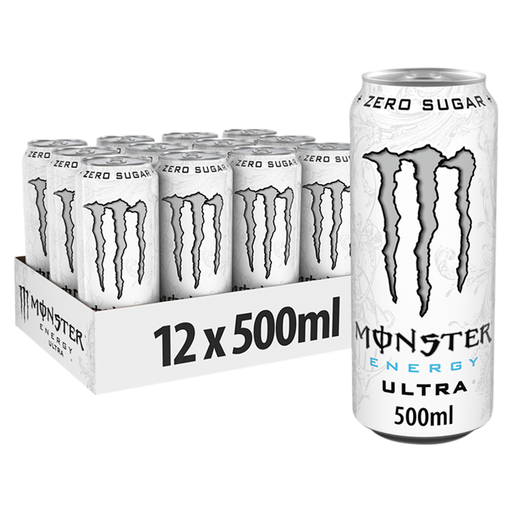
Monster Ultra White 12 × 500 ml
A 12-can, 500 ml format for adults choosing larger individual cans. Check the White variant’s caffeine, sugars and sweeteners on the current label when planning portions.
View on Joybuy
 No image available
Red Bull Energy Drink 24 × 250 ml
The 250 ml cans provide a smaller individual format for planned adult use. Red Bull states 80 mg caffeine per classic 250 ml can; this classic drink contains sugar, so check the current can’s nutrition panel rather than treating it as a sugar-free option.
View on Joybuy
 No image available
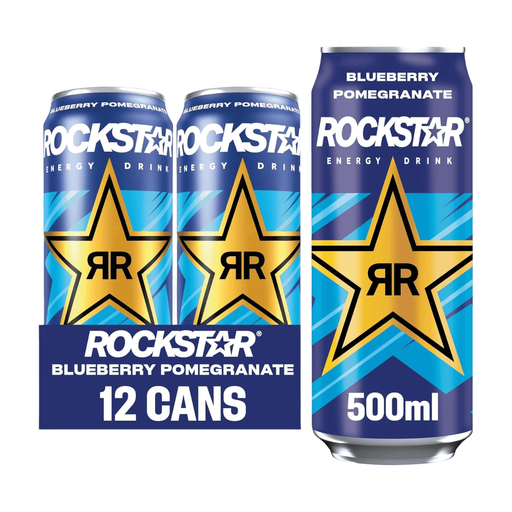
Rockstar Blueberry & Pomegranate 12 × 500 ml
A larger-can case for adults choosing this blueberry and pomegranate flavour. Check caffeine per 500 ml can and the ingredients before adding it to a shared household shop.
View on Joybuy
 No image available
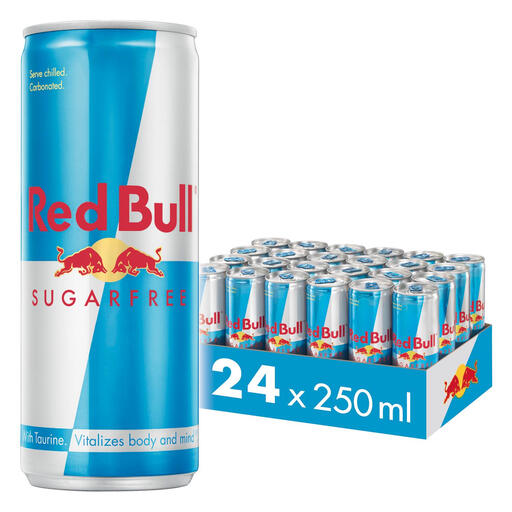
Red Bull Sugarfree Energy Drink 24 × 250 ml
This Sugarfree variant combines smaller 250 ml cans with a 24-can case. It is a different choice from classic Red Bull: check its own caffeine, sweeteners and warning on the current label.
View on Joybuy
 No image available
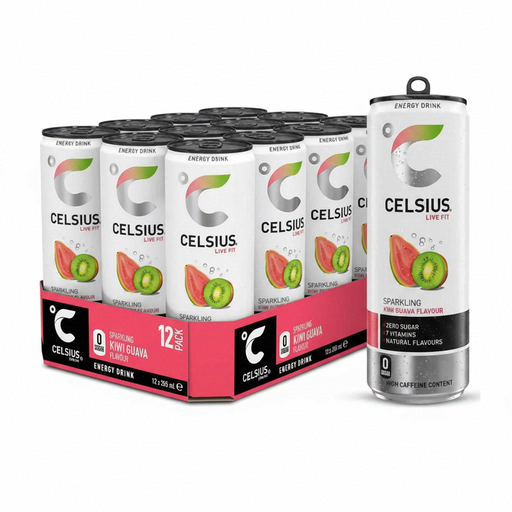
CELSIUS Kiwi Guava 12 × 355 ml
The 355 ml can sits between the 250 ml and 500 ml formats in this selection. For this Kiwi Guava variant, read the current label for caffeine per can, sugars and sweeteners before planning adult portions.
View on Joybuy
Questions about family shopping
Should energy drinks go in the children’s part of a family shop?
Do not choose high-caffeine energy drinks as children’s drinks. UK government labelling guidance requires drinks above 150 mg caffeine per litre to carry a warning that they are not recommended for children or pregnant or breast-feeding women. Keep adult multipacks distinct from drinks bought for children.
Does a zero-sugar energy drink have less caffeine?
Not necessarily: sugars and caffeine are separate label details. Tesco lists Monster Ultra at 0 g sugars and 160 mg caffeine per 500 ml can, so compare both figures for the exact variant you intend to buy.
How should adults compare caffeine when buying a case?
Compare caffeine per can and consider other caffeine consumed that day, rather than using the number of cans in the case as a guide. The European Food Safety Authority’s assessment of daily caffeine intake considers all sources, including drinks other than energy drinks.


