Adults managing diabetes
If you are buying drinks for routine use, the distinction between a sugar-free variant and a standard energy drink matters. Check the sugars and carbohydrate figures on the exact can.


When choosing an energy drink multipack while managing diabetes, check the exact can’s sugars and carbohydrate declarations rather than relying on the brand or product name. Diabetes UK describes sugary energy drinks as useful for raising blood glucose quickly during a hypo, not as a routine drink. If you are considering a sugar-free version, compare caffeine per can as well as can size; the Red Bull Sugar Free and Monster Ultra labels also carry warnings for children and pregnant or breastfeeding people.
If you are buying drinks for routine use, the distinction between a sugar-free variant and a standard energy drink matters. Check the sugars and carbohydrate figures on the exact can.
A smaller can may make the caffeine in one serving easier to assess. Sainsbury’s lists 32mg per 100ml for Red Bull Sugar Free, or 80mg in a 250ml can; Tesco lists 30mg per 100ml for Monster Ultra, or 150mg in a 500ml can.
If a 500ml format suits your plans, check the amount you would drink at once rather than comparing pack size alone. Tesco’s Monster Ultra label gives 150mg caffeine per 500ml can.
Start with the exact drink’s nutrition label, then compare caffeine per can and the serving size you intend to use.
| Priority | What to check | Your needs |
|---|---|---|
| Sugars and carbohydrate | Read both lines on the current nutrition panel; check whether the figures are per 100ml or per can. Tesco’s Monster Ultra 4 x 500ml label gives 0g sugars but 4.4g carbohydrate per can. | I want to distinguish a sugar-free variant from a standard energy drink without assuming that 0g sugars also means 0g carbohydrate. |
| Caffeine per can | Use the stated caffeine per 100ml and the can volume. Sainsbury’s Red Bull Sugar Free label gives 80mg per 250ml can; Tesco’s Monster Ultra label gives 150mg per 500ml can. Read the warnings on the exact product. | A smaller single-can serving matters to me, so I need the caffeine amount in the whole can, not just its concentration. |
| Multipack format | Compare the number and size of cans, and decide whether you would drink a whole can at once. Do not assume that two variants from the same brand have the same nutrition or caffeine figures. | I want a pack size I can use without overlooking how much drink and caffeine each can contains. |
Standard and sugar-free energy drinks are separate products. Diabetes UK describes sugary energy drinks as useful for raising blood glucose quickly during a hypo, rather than as a routine drink.
Check the sugars and carbohydrate lines for the exact variant and pack you intend to buy.
Can size changes the caffeine amount you would get from drinking a whole can. The Tesco Monster Ultra label gives 150mg per 500ml can, while Sainsbury’s Red Bull Sugar Free label gives 80mg per 250ml can.
Compare caffeine per can and consider how much of a can you would drink at one time.
The cited Red Bull Sugar Free and Monster Ultra labels identify both drinks as high in caffeine and say they are not recommended for children or pregnant or breastfeeding women. The Monster label also warns people sensitive to caffeine.
Read the warning on the exact can and consider caffeine from other drinks and foods. Where the warning applies, consider a caffeine-free alternative.
Monster Ultra is one 500ml-can option for shoppers comparing zero-sugar-labelled multipacks.
Red Bull Sugar Free provides a 250ml-can format for comparing single-can servings.
Tesco lists KX Sugar Free Blue Spark in a 24 x 250ml multipack.
Tesco lists Lucozade Energy Original multipacks among its energy drinks.
Tesco lists Relentless Origin in a 4 x 500ml multipack.
These Monster Energy and Red Bull multipacks offer zero-sugar-labelled drinks in 250ml or 500ml cans. Compare the current label on the exact variant before choosing a pack.
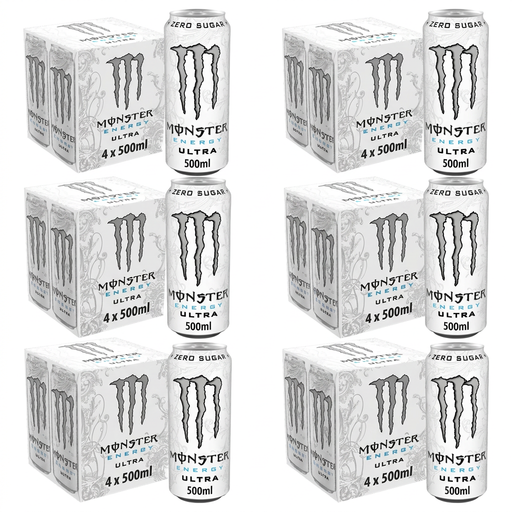 No image available
This larger multipack contains 500ml cans. Check the current can’s sugars, carbohydrate and caffeine figures, particularly if you expect to drink a whole can at once.
 No image available
This four-can pack is another 500ml format. Check its own nutrition and caffeine label rather than applying the figures for Monster Ultra to this different variant.
 No image available
The 250ml cans offer a smaller single-can format. Sainsbury’s label for Red Bull Sugar Free 4 x 250ml states 0g sugars and 80mg caffeine per can; check the current can for its nutrition figures and high-caffeine warning.
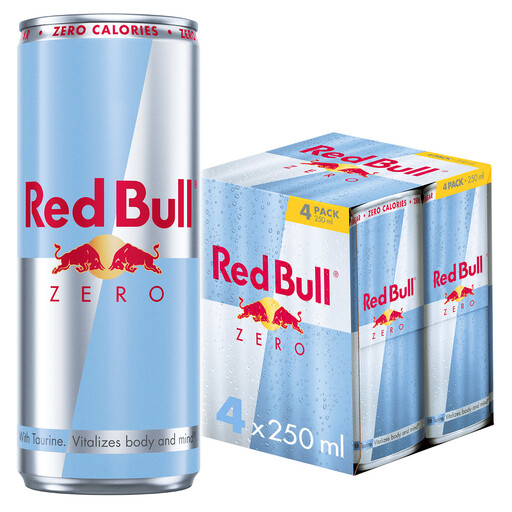 No image available
This four-pack has 250ml cans. Red Bull Zero is a distinct variant from Red Bull Sugarfree, so check its own sugars, carbohydrate and caffeine declarations.
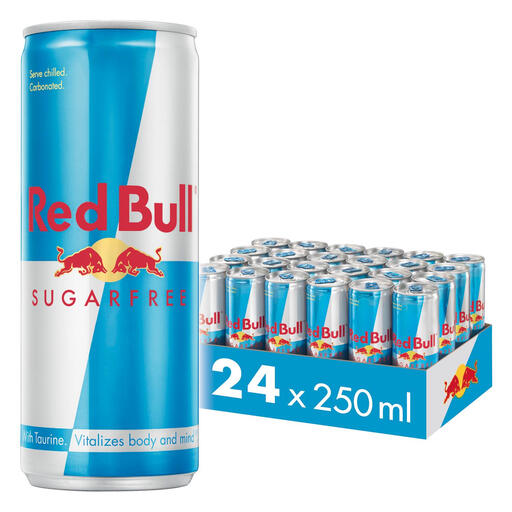 No image available
This 24-can pack keeps the individual can size at 250ml. Compare its current sugars and caffeine declarations per can before choosing the larger multipack.
Diabetes UK describes sugary energy drinks as useful for raising blood glucose quickly during a hypo, not as a routine drink. If you are buying a drink for routine use, check the exact product’s sugars and carbohydrate label; follow your own diabetes team’s advice on managing a hypo.
No. Sainsbury’s Red Bull Sugar Free label gives 80mg caffeine per 250ml can, while Tesco’s Monster Ultra label gives 150mg per 500ml can. Check caffeine per can, not just per 100ml.
The cited Red Bull Sugar Free and Monster Ultra labels say their high-caffeine drinks are not recommended for pregnant or breastfeeding women. Read the warning on the exact can and seek individual advice from your healthcare professional if needed.
Check the pack’s storage and best-before instructions, then read the current ingredients, nutrition panel and caffeine warning on the exact variant. Pay attention to whether nutrition figures are given per 100ml or per can.