Adults with diabetes comparing drinks
Front-of-pack sugar wording is only a starting point. Compare total sugars, carbohydrate, sweeteners and caffeine for the amount you intend to drink.


For someone living with diabetes, a zero-sugar energy drink can avoid sugars in the drink, but neither ‘zero sugar’ nor ‘no added sugar’ establishes that it fits an individual diabetes plan. Compare sugars and total carbohydrate for the whole can, then check caffeine and sweeteners; Diabetes UK advises using sugary fizzy drinks for hypos, not sugar-free alternatives.
Front-of-pack sugar wording is only a starting point. Compare total sugars, carbohydrate, sweeteners and caffeine for the amount you intend to drink.
Can size changes the caffeine serving. Red Bull UK lists 80 mg in a 250 ml Red Bull Sugarfree can, while Tesco lists 30 mg per 100 ml for its 500 ml Blue Spark can—150 mg for the full can.
A zero-sugar drink is separate from a fast-acting carbohydrate treatment for a hypo. Keep the treatment specified in your individual plan available.
Start with the whole-can nutrition panel, then consider the caffeine serving and whether the drink has a place in your usual plan.
| Priority | What to check | Your needs |
|---|---|---|
| Sugars and carbohydrate | Read both figures for the full can, not just a ‘no added sugar’ claim. Tesco lists 3.5 g sugars per 500 ml can for KX Live No Added Sugar, which contains juice from concentrate. | I want to know what is in the amount I will actually drink, particularly if I count carbohydrate. |
| Caffeine per can | Use the can size and caffeine figure to compare whole servings. Red Bull UK lists 80 mg per 250 ml Red Bull Sugarfree can; Tesco lists 30 mg per 100 ml for 500 ml Blue Spark, or 150 mg per can. | A smaller caffeine serving matters to me, especially if I also have coffee, tea or other caffeinated products. |
| Sweeteners and individual needs | Read the current ingredient list if a particular sweetener matters to you. Use the carbohydrate figure and your own care plan for decisions related to carbohydrate counting. | I need to choose a drink that fits my preferences and the advice I follow for managing diabetes. |
| Hypos | Keep a zero-sugar drink distinct from a fast-acting carbohydrate treatment. Diabetes UK discusses sugary fizzy drinks as an option for treating hypos. | If I am at risk of hypos, I need my usual treatment available rather than relying on a sugar-free can. |
A drink can contain sugars from ingredients such as fruit juice. Tesco lists 3.5 g sugars per 500 ml can for KX Live No Added Sugar.
Compare sugars and total carbohydrate for the whole can and check the ingredients before deciding whether it fits your plan.
Container size changes the total: Tesco lists 30 mg caffeine per 100 ml for 500 ml Blue Spark, which is 150 mg per can. Red Bull UK lists 80 mg in a 250 ml Sugarfree can.
Compare the caffeine in the amount you intend to drink, alongside caffeine from your other drinks or supplements.
A zero-sugar energy drink does not provide the carbohydrate used to treat low blood glucose. Diabetes UK distinguishes sugary fizzy drinks used for hypos from sugar-free everyday alternatives.
Keep the fast-acting carbohydrate treatment specified in your individual hypo plan available.
A pack may commit you to several cans before you have checked the current nutrition panel, caffeine figure or ingredients against your needs.
Read the pack information for the exact variant and can size before choosing a multipack.
Red Bull Sugarfree is a smaller-can option for comparing zero-sugar energy drinks.
Monster UK presents Ultra as a zero-sugar energy-drink line.
A Tesco listing identifies Relentless Zero Sugar in 500 ml cans.
Tesco Blue Spark Sugar Free provides an own-label 500 ml format to compare.
Check the specific energy drink rather than assuming every product under the brand meets a no-added-sugar requirement.
These Joybuy options include smaller cans and 500 ml zero-sugar-labelled cans. Compare the exact pack’s whole-can nutrition, caffeine and ingredients against your needs.
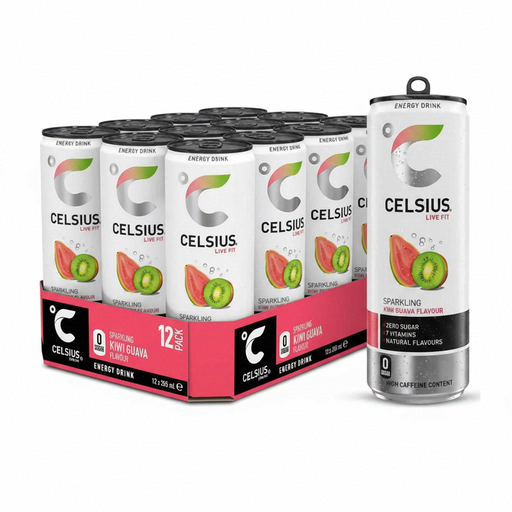 No image available
The 355 ml can offers a different serving size from the 500 ml options. Before choosing the 12-pack, check the current whole-can sugars, carbohydrate and caffeine figures; a sugar-free drink is not a hypo treatment.
 No image available
This zero-sugar-labelled option comes in 500 ml cans. Check total carbohydrate as well as sugars and calculate caffeine for the full can before choosing the larger serving.
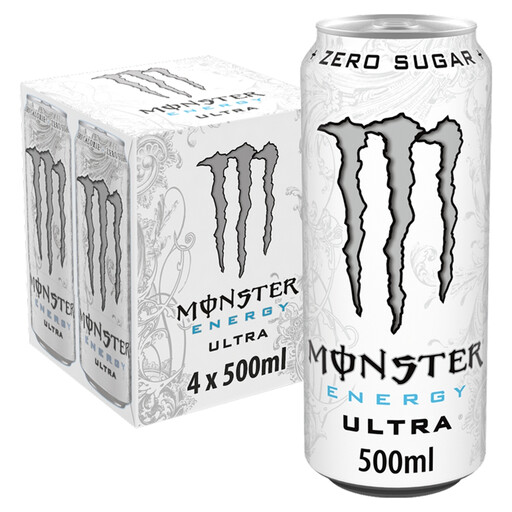 No image available
For this 500 ml zero-sugar-labelled can, compare the current whole-can carbohydrate figure and caffeine serving, not just the sugar wording on the front of the pack.
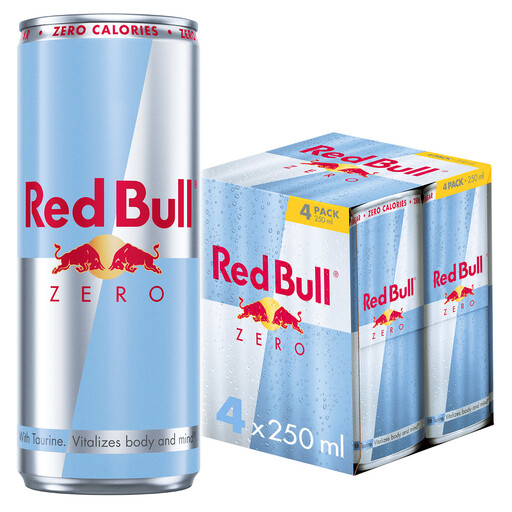 No image available
The 250 ml cans provide a smaller single-can format than the 500 ml options. Check the current label for whole-can carbohydrate and caffeine; do not apply figures for Red Bull Sugarfree to this distinct variant.
 No image available
Red Bull UK lists 80 mg caffeine per 250 ml Sugarfree can. Check the current can for its sugars, total carbohydrate and sweeteners if those details affect your choice.
No. Tesco lists 3.5 g sugars per 500 ml can for KX Live No Added Sugar, which contains juice from concentrate. Check both sugars and total carbohydrate for the whole container.
No single label establishes suitability for everyone. Check the whole-can carbohydrate, caffeine and sweeteners against your individual plan; Diabetes UK advises discussing questions about sweeteners with your diabetes healthcare team.
No. It does not provide the fast-acting carbohydrate needed for a hypo. Diabetes UK discusses sugary fizzy drinks as a possible hypo-treatment option; follow your own treatment plan.
Compare the amount in the full can. Red Bull UK lists 80 mg in a 250 ml Red Bull Sugarfree can. Tesco lists 30 mg per 100 ml for its 500 ml Blue Spark can, which amounts to 150 mg per can.