Hotel breakfast managers serving adult guests
Individually sealed drinks keep the product label with each serving. Compare container sizes and offer a distinguishable sugar choice rather than making one large, full-sugar can the only energy drink.


For a hotel breakfast buffet offering sparkling energy drinks to adults, a clearly labelled 250 ml zero-sugar can gives guests a smaller caffeine serving than the cited 500 ml options. A larger zero-sugar can or a full-sugar drink can add choice, but compare caffeine and sugar per whole container, keep warnings visible and check the current label before service.
Individually sealed drinks keep the product label with each serving. Compare container sizes and offer a distinguishable sugar choice rather than making one large, full-sugar can the only energy drink.
Red Bull Sugarfree and Monster Absolutely Zero provide contrasting container sizes, but neither is caffeine-free. Check the label if sweeteners also affect the choice.
Visible product warnings matter at a mixed-guest buffet. High-caffeine labels identify groups for whom the drinks are not recommended, including children and pregnant or breast-feeding women.
Start with the whole container a guest would take, then compare its sugar declaration and the warnings that will remain visible at service.
| Priority | What to check | Your needs |
|---|---|---|
| Caffeine per container | Compare both caffeine per 100 ml and container size. Sainsbury's lists Red Bull Sugarfree at 32 mg per 100 ml, equivalent to 80 mg in 250 ml; Monster Energy lists 160 mg per 500 ml can for Original Green and Absolutely Zero. | I want guests to be able to distinguish a 250 ml serving from a 500 ml one without doing the calculation at the buffet. |
| Sugar and sweeteners | Read sugars for the stated serving and check the ingredients. Monster Energy lists 0 g sugar for Absolutely Zero and 55 g for Original Green, each per 500 ml; Sainsbury's lists less than 0.1 g sugars per 100 ml for Red Bull Sugarfree and identifies sweeteners. | A zero-sugar choice matters to me, but I also want guests who avoid sweeteners to be able to identify them. |
| Warnings | Keep each original label visible. The Department of Health and Social Care states that drinks other than tea or coffee containing more than 150 mg caffeine per litre must carry a high-caffeine warning and a caffeine declaration. | I need high-caffeine cans to remain recognisable as such, rather than looking like ordinary breakfast soft drinks. |
| Ingredient information | Check the current pack when products change. GOV.UK guidance says that, for non-prepacked food and drink, information about any of the 14 mandated allergens used as ingredients must be accurate and easily accessible. | If drinks are poured out or mixed, I need guests to have access to accurate allergen information even though the original container is no longer in front of them. |
Monster Energy lists 0 g sugar and 160 mg caffeine in a 500 ml Absolutely Zero can. Sainsbury's labels Red Bull Sugarfree as high caffeine despite its negligible sugar declaration.
Compare sugar and caffeine separately, using the whole container guests will take.
Monster Energy lists 160 mg caffeine in a 500 ml Original Green can, while Red Bull lists 80 mg in a 250 ml Original can. The container changes the serving comparison.
Put container size beside caffeine per can in buying notes, and retain the original label at service.
Monster Energy lists 55 g sugar per 500 ml Original Green can, compared with 0 g for its 500 ml Absolutely Zero variant. They serve different sugar preferences.
Make any zero-sugar option clearly distinguishable from a full-sugar can; check sweeteners as well as the sugar declaration.
Guests cannot consult an individual can once its drink has been decanted. GOV.UK guidance requires accurate, available and easily accessible information about mandated allergens used as ingredients in non-prepacked food and drink.
Use current product information for any written allergen record and make sure staff can direct guests to it.
These product-line examples help compare formats; brand inclusion does not indicate that a particular variant is among the Joybuy options below.
The 250 ml Original and Sugarfree formats provide a smaller individual serving than the cited 500 ml Monster cans.
Monster Energy lists both Original Green and Absolutely Zero in 500 ml formats.
Relentless has carbonated flavours including Guava, alongside an Origin 500 ml format.
Lucozade describes its Energy range as sparkling drinks containing glucose.
These options include smaller and larger energy-drink servings, zero-sugar and full-sugar variants, and a bottled sparkling Lucozade Energy drink. Container size alone cannot establish caffeine or sugar content: check the current label for each product served.
 No image available
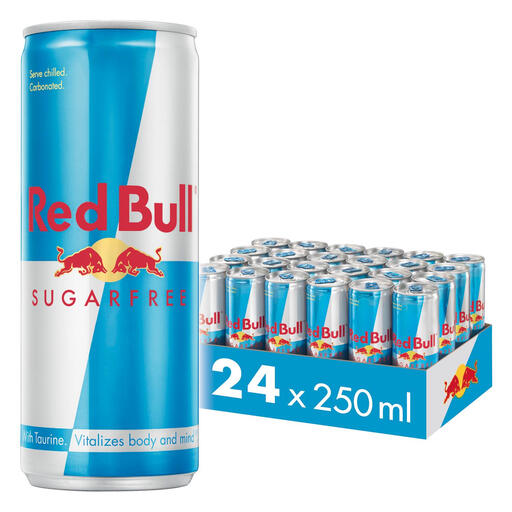
A 250 ml Sugarfree can offers the smaller format for an adult-oriented buffet choice. Sainsbury's lists this drink at 32 mg caffeine and less than 0.1 g sugars per 100 ml and identifies sweeteners and a high-caffeine warning. Keep the warning visible when serving the cans.
 No image available
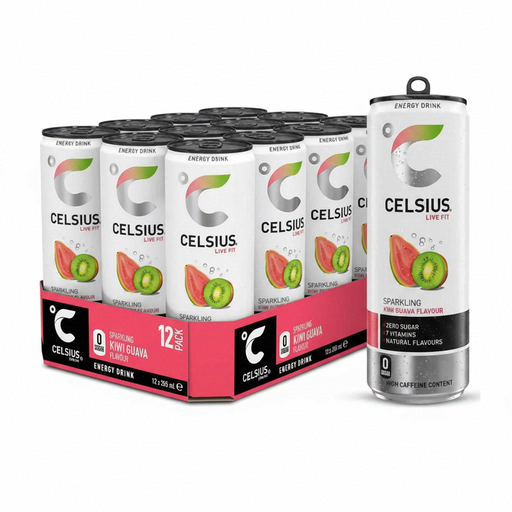
The stated 355 ml unit size sits between the listed 250 ml and 500 ml formats. Check its current label for caffeine, sugars, ingredients and suitability warnings before deciding how to present it at breakfast.
 No image available
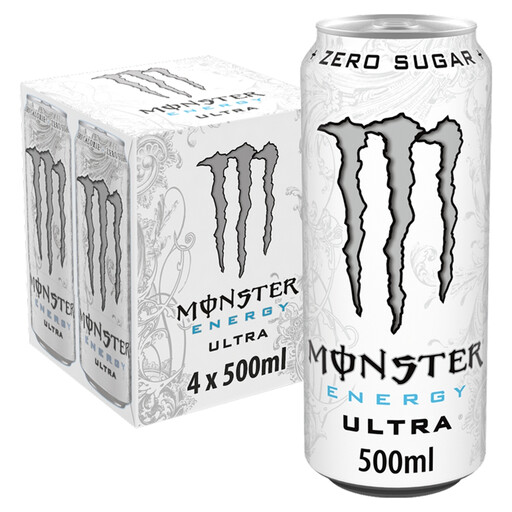
This four-pack provides a 500 ml zero-sugar variant for a buffet that deliberately offers larger servings. It is Ultra Zero Sugar, not the Absolutely Zero variant cited elsewhere; check this exact can's caffeine declaration and warnings.
 No image available
This nine-pack is a full-sugar, 500 ml can option. Monster Energy lists 160 mg caffeine and 55 g sugar per 500 ml Original Green can. Keep its label visible and distinguish it from any zero-sugar choice.
 No image available
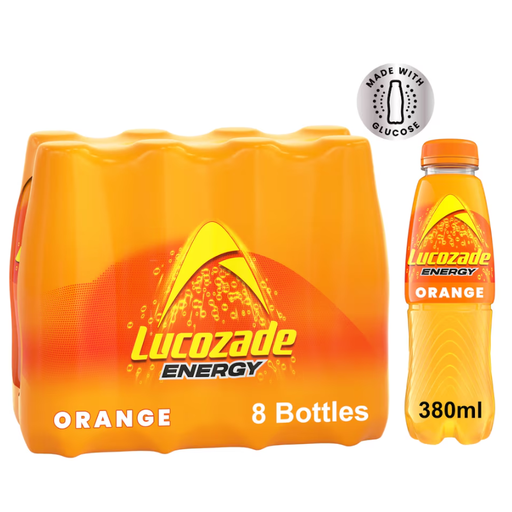
These 380 ml bottles offer a different serving format from the cans above. Lucozade describes its Energy range as sparkling and containing glucose; check the Orange bottle's current caffeine and sugar declarations before comparing it with a named can.
Keep their original labels visible and make their high-caffeine status easy to identify. The Department of Health and Social Care states that, under current food-labelling law, drinks other than tea or coffee containing more than 150 mg caffeine per litre require a high-caffeine warning and a declaration in mg per 100 ml.
Direct the guest to the product warning rather than making an individual decision for them. The NHS advises no more than 200 mg caffeine a day during pregnancy from all sources, while high-caffeine product labels state that those drinks are not recommended for pregnant or breast-feeding women.
Keep accurate allergen information accessible for any drink served non-prepacked. GOV.UK guidance says food businesses must provide accurate, easily accessible information about any of the 14 mandated allergens used as ingredients; current written product information can support staff conversations with guests.
The Department of Health and Social Care's update of 16 July 2026 states an intention to introduce an under-16 sales ban for high-caffeine energy drinks in England; it does not establish a commencement date. Check the law applicable to the hotel before setting an age-control policy.