Students changing their lunchtime drink
If you want to move away from a sugary energy drink but still want caffeine, compare the exact sugar wording, nutrition panel and caffeine amount rather than choosing by the front of the can alone.


For a lecture lunch, check the sugar wording and the caffeine in the whole can before choosing an energy drink. Red Bull lists 80 mg caffeine in a 250 ml Sugarfree can, while Monster Energy lists 150–160 mg in its 500 ml Ultra and Absolutely Zero cans. A larger zero-sugar can is not automatically the better lunch choice, and a no-added-sugars claim does not by itself mean the drink contains no sugar.
If you want to move away from a sugary energy drink but still want caffeine, compare the exact sugar wording, nutrition panel and caffeine amount rather than choosing by the front of the can alone.
A 250 ml can and a 500 ml can can deliver different amounts of caffeine. The whole-can figure matters particularly if coffee, tea, cola or caffeinated supplements are also part of your day.
Pregnancy, sensitivity to caffeine and retailer age policies can matter regardless of whether a drink is labelled sugar-free. Check the can warning and the caffeine you would consume from all sources.
Start with the sugar claim, then compare caffeine for the amount you would actually drink at lunch.
| Priority | What to check | Your needs |
|---|---|---|
| Sugar wording | Read the precise claim and the sugars figure on the current can. A no-added-sugars claim is not the same statement as a zero-sugar claim. | I want to know whether avoiding added sugars is enough for my lunch choice, or whether I am looking specifically for a sugar-free drink. |
| Caffeine per can | Compare the whole-can amount, not just the figure per 100 ml. Red Bull lists 80 mg in a 250 ml Sugarfree can; Monster Energy lists 150 mg in 500 ml Ultra and 160 mg in 500 ml Absolutely Zero. | If I may have coffee or another caffeinated drink later, I need to account for the entire can rather than treating zero sugar as low caffeine. |
| Suitability | Read caffeine warnings and consider other caffeine sources. The NHS advises pregnant people not to have more than 200 mg caffeine a day. | When caffeine is unsuitable for me, choosing a sugar-free energy drink does not address that concern. |
| Pack and availability | Check the can size, number of cans and current local availability before relying on an online listing for lunch. | For one lecture lunch, I may want a single can rather than a multipack intended for several occasions. |
Monster Energy lists 0 g sugar in its 500 ml Ultra and Absolutely Zero cans, but also lists 150 mg and 160 mg caffeine per can respectively.
Check both figures on the can and include any other caffeine you expect to have that day.
Red Bull Sugarfree provides 80 mg caffeine in a 250 ml can, compared with the 150–160 mg listed by Monster Energy for its 500 ml zero-sugar examples.
If the whole-can caffeine amount drives your choice, compare formats before choosing by flavour or sugar wording.
A retailer’s product page does not establish that a drink is available at the shop you plan to use.
Check current store availability if your lunch depends on finding a particular can.
Removing sugar does not remove caffeine. The NHS advises a daily caffeine limit of 200 mg during pregnancy, while Sainsbury’s says it does not sell high-caffeine energy drinks to under-16s.
Read the can warning, count caffeine from other sources and check the retailer’s current age policy where relevant.
These examples help compare labelled products and retailer information; they do not imply that every drink from a brand has the same formulation.
Red Bull lists Sugarfree as a 250 ml can containing 80 mg caffeine.
Monster Energy lists Ultra and Absolutely Zero as 500 ml zero-sugar drinks.
Tesco lists an own-range X Energy Drink Sugarfree in a 250 ml can.
Sainsbury's lists several sugar-free or zero-sugar drinks, including Blue Bolt Zero, Red Bull Sugar Free and Monster Ultra.
These options include compact and larger cans, plus a drink described as having no added sugars. Check the distinction between no added sugars and sugar-free, and compare caffeine on the exact can you choose.
 No image available
A compact sugar-free can for comparing caffeine at lunch: Red Bull lists 80 mg per 250 ml can. This is a four-can pack; count other caffeine consumed during the day.
 No image available
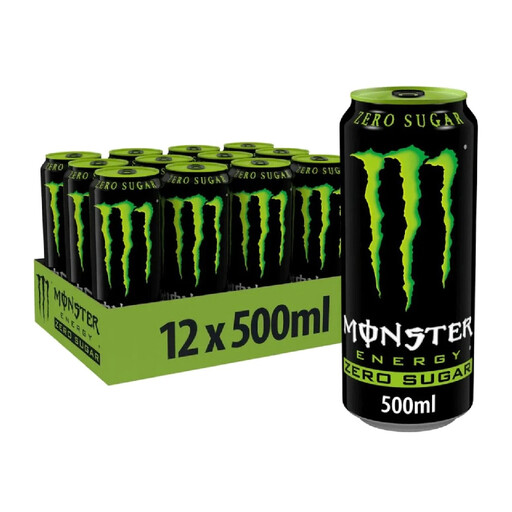
This zero-sugar listing is a 12-can case rather than a single lunchtime can. Check the exact can’s caffeine amount and warnings when deciding how it fits into your day.
 No image available
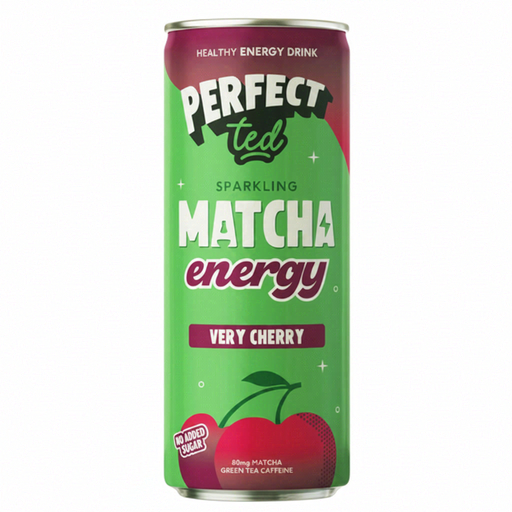
Consider this four-can format if your preference is no added sugars rather than a sugar-free drink. Its description identifies fruit juice ingredients and sugars, so check the nutrition panel; no added sugars does not mean zero sugars.
 No image available
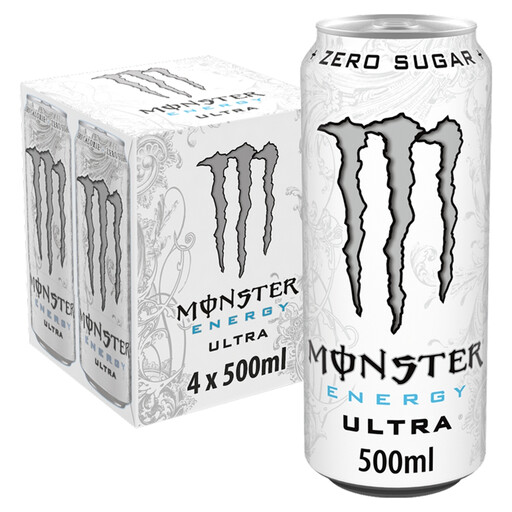
A four-pack of larger zero-sugar cans. Check the current can’s whole-can caffeine figure before choosing by dose, as the caffeine figures associated with this listing and Monster Energy’s Ultra information differ.
 No image available
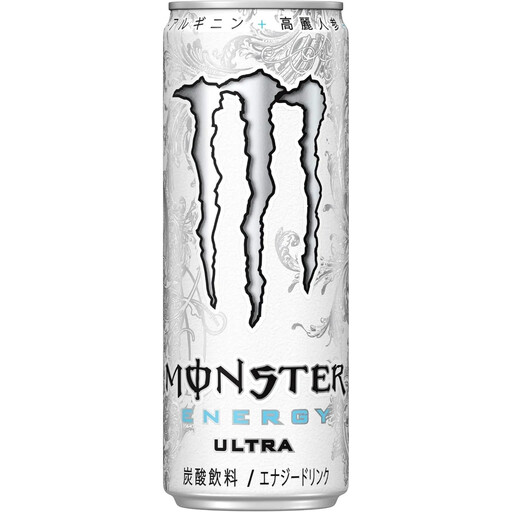
This Japan-version 355 ml can offers another size to consider for lunch. Check the exact can’s sugar information, caffeine per can and warnings rather than applying figures from a different Monster Ultra variant.
No. Red Bull lists 80 mg caffeine in a 250 ml Sugarfree can, while Monster Energy lists 150 mg in a 500 ml Ultra can and 160 mg in a 500 ml Absolutely Zero can. Check sugar and caffeine separately on the label.
Not necessarily. Monster Energy’s named 500 ml zero-sugar examples contain 150–160 mg caffeine per can, compared with the 80 mg Red Bull lists for a 250 ml Sugarfree can. Choose by the whole-can amount and the other caffeine you expect to have that day, not by can size alone.
A sugar-free label does not remove caffeine. The NHS advises pregnant people not to have more than 200 mg caffeine a day; include the whole can alongside caffeine from coffee, tea, cola, chocolate, tablets and supplements, and read the product warning.
Sainsbury's says it does not sell high-caffeine energy drinks to under-16s and may require age verification for products marked as not recommended for children. Check the retailer’s current policy rather than assuming a sugar-free product is exempt.
Read the current can’s ingredients and nutrition panel before choosing. If an online title and description disagree, neither alone settles whether that particular drink meets your no-added-sugar or sugar-free preference.