
24/7 Customer Support

Free returns

Same-day & Next-day Delivery

Quality Guaranteed

Unlock Your Welcome Offers: FREE Delivery | Up to 80% OFF | Free 30-day JoyPlus trial
Download the APP
By Joybuy Product Recommendation Officer
Choosing between energy drinks and sports nutrition supplements can be confusing. A bright can, “performance” wording or an impressive ingredient list does not always mean the product suits your routine. The right choice depends on caffeine, sugar, hydration needs, nutritional value and how often you plan to use it.
Whether you are stocking up for work, training, studying, gaming or commuting, these checks can help you avoid paying for features you do not need.
Energy drinks and sports drinks serve different purposes. Caffeinated drinks may contain ingredients such as caffeine, taurine and B vitamins, while isotonic drinks and electrolyte drinks are generally designed around fluids, carbohydrates and minerals such as sodium.
A sugary energy drink is not automatically a suitable replacement for water during exercise. If your main concern is fluid intake after sweating, compare electrolyte content, serving size and carbohydrate levels rather than choosing based on flavour or branding alone.
Caffeine is often listed per 100ml, while the actual can may contain 250ml or 500ml. For example, the listed Red Bull and Monster products provide 32mg of caffeine per 100ml. That equates to approximately 80mg in a 250ml can or 160mg in a 500ml can.
The UK Food Standards Agency advises that healthy adults should generally keep daily caffeine intake to no more than 400mg, while pregnant women are advised to limit intake to 200mg per day. Personal sensitivity varies, and caffeine from coffee, tea, pre-workout products and chocolate also counts. Always check the label before combining products.
Zero sugar energy drinks can reduce sugar and calorie intake, but they may still contain substantial caffeine and sweeteners. Conversely, standard energy drinks and sports drinks can contain a meaningful amount of carbohydrate per bottle.
Look beyond front-of-pack terms and check:
For occasional alertness, a smaller can may make it easier to manage total caffeine. Multipacks are convenient, but a lower unit price can encourage unnecessary consumption. Compare the caffeine per container, not only the price of the case.
Energy drinks multipacks such as 12- or 24-can cases can suit households, offices and shared training spaces. However, check storage space and best-before dates before buying in bulk.
Zero sugar energy drinks may suit calorie-conscious shoppers, while traditional drinks can provide glucose and carbohydrates. A sports drink may be more relevant during prolonged or sweaty activity than during a normal desk-based day.
For snacks, compare protein, fibre and allergens. The Nature Valley Protein Salted Caramel Nut Bar provides 10.4g protein and 5.5g fibre per 40g bar, but it also contains peanuts, almonds, milk and soy. This makes label checking particularly important for allergy-conscious households.
Powders, capsules, bars and ready-to-drink bottles each suit different routines:

Why This Fits Their Persona: A compact snack format for beginners who want convenient protein and fibre without committing to a large supplement tub.
The nutrition panel shows the actual protein, fibre, sugar and calorie content per bar, making portion comparison straightforward.
10.4g protein and 5.5g fibre per bar; suitable for vegetarians. Contains peanuts, almonds, milk and soy.
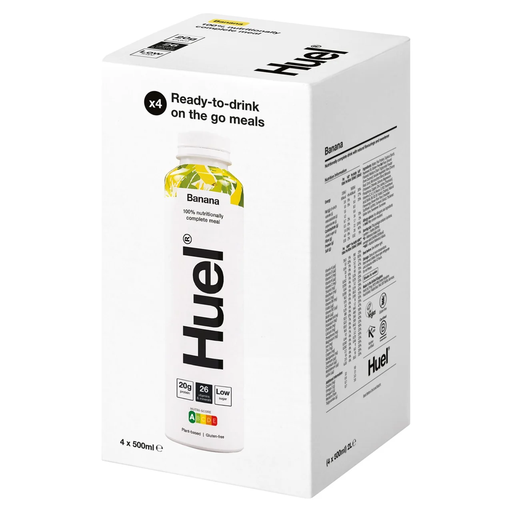
Why This Fits Their Persona: A ready-to-drink option for busy UK professionals, commuters and active consumers who need a portable meal backup.
Its stated 400-calorie serving and 20g protein content make it easier to compare with a meal or shake instead of relying on vague “complete nutrition” wording.
20g plant protein and 26 listed vitamins and minerals per 500ml bottle; vegan-friendly according to the supplied product information.
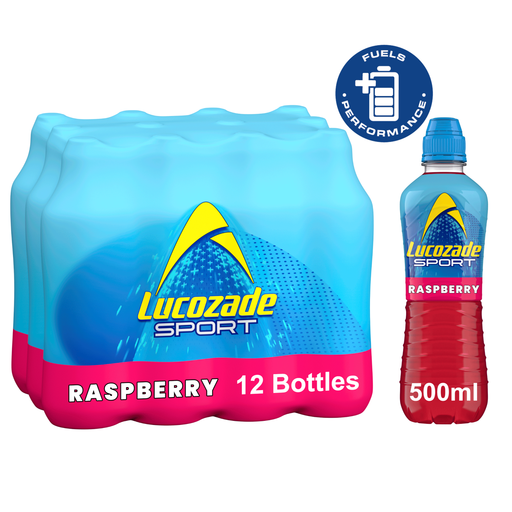
Why This Fits Their Persona: A 12-bottle case for regular training sessions, team activities and consumers who specifically need a sports drink format.
It is clearly positioned as an isotonic sports drink, so shoppers can distinguish hydration-focused use from high-caffeine energy products.
500ml bottles with listed carbohydrates and sodium; contains aspartame, a source of phenylalanine.
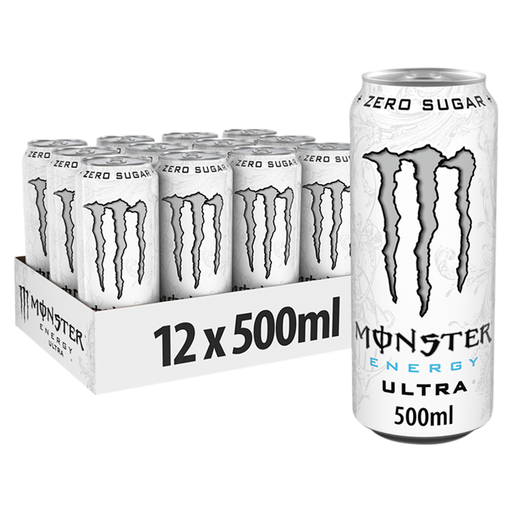
Why This Fits Their Persona: A bulk option for adults who prefer a larger zero sugar energy drink and want cans available at home, work or gaming sessions.
The nutrition panel states 0g sugar and 11 calories per 500ml can, while still making the 160mg caffeine content visible.
Zero sugar; suitable for vegans and vegetarians according to the supplied information. High caffeine content requires moderate use.
We have compiled a complete, real-time list of products that fully satisfy these strict selection criteria and UK safety regulations.
That depends on the product and your personal caffeine tolerance. Energy drinks may contain caffeine and sugar, while sports drinks and isotonic drinks focus more on fluid and carbohydrate content. Check the label and consider whether you need stimulation, hydration or both.
Follow the packaging instructions. Many powders and capsules should be kept in a cool, dry place away from sunlight, while opened ready-to-drink products generally require refrigeration and prompt consumption. Multipacks should also be checked for best-before dates before storage.
No. Protein bars are usually snacks, while meal replacement drinks are formulated to provide a broader combination of energy and nutrients. Compare calories, protein, fibre, allergens and serving instructions before choosing one for your routine.