If no added sugar is essential, check that exact claim on the can rather than relying on 'sugar free' or 'zero sugar' wording. For a weekday breakfast, compare caffeine in the whole can with any tea, coffee or other caffeine you expect later: Red Bull reports 80 mg in a 250 ml Sugarfree can, while Monster Energy lists 150 mg in a 500 ml Ultra can. Neither product description alone confirms the specific no-added-sugar claim.
Who is this choice for?
Adults who prefer a smaller breakfast-time can
If you expect to have tea or coffee later, the caffeine in one can matters more than its sugar-free description. Red Bull reports 80 mg in a 250 ml Sugarfree can; Monster Energy lists 150 mg in a 500 ml Ultra can.
Shoppers specifically avoiding added sugar
Check the exact can or manufacturer information for the claim you require. The reviewed Red Bull and Monster descriptions use 'Sugarfree' and 'zero sugar' wording, respectively; do not treat either phrase alone as confirmation of a no-added-sugar claim.
People checking caffeine during pregnancy or breastfeeding
NHS pregnancy guidance says not to exceed 200 mg caffeine a day, counting all sources. That pregnancy figure should not be assumed to be guidance for breastfeeding; check advice relevant to that situation separately.
What should you check?
Start with the sugar claim you require, then compare caffeine for the amount you will actually drink.
| Priority | What to check | Your needs |
|---|
| Sugar wording |
Read the exact claim on the can or manufacturer information. Check ingredients if particular sweeteners matter to you. |
I want a drink that explicitly meets my no-added-sugar requirement, not one chosen solely because it says 'zero sugar'. |
| Caffeine per can |
Compare the full can size and its stated caffeine, not just a per-100 ml figure. Red Bull reports 80 mg per 250 ml Sugarfree can; Monster Energy lists 150 mg per 500 ml Ultra can. |
If tea or coffee is also part of my day, I need to count the energy drink alongside it. A smaller can may fit my plan better than a 500 ml can. |
| Pregnancy and age |
NHS pregnancy guidance says not to exceed 200 mg caffeine daily from all sources. Check age-related sales rules where the drink is being bought rather than treating this adult selection as guidance for children. |
During pregnancy, I need to account for caffeine from the whole day before considering a can. When buying for someone under 16, I need to check the applicable rules. |
| Type of drink |
Check whether you want an energy drink at all. Lucozade describes its Zero range as zero-sugar soft drinks; that description does not establish an equivalent caffeine content. |
I may simply want a fizzy drink with breakfast rather than a caffeinated energy drink. |
| Breakfast plans |
Consider the drink separately from the food you intend to have. A caffeine or sugar description does not describe your whole breakfast. |
I want to choose a drink without letting its label stand in for a decision about breakfast food. |
Common buying mistakes
-
Assuming 'zero sugar' confirms 'no added sugar'
Those are not interchangeable descriptions for a shopper who requires a specific claim.
Read the wording on the exact can or its manufacturer information before choosing it for a no-added-sugar requirement.
-
Comparing brands without checking the whole can
Red Bull reports 80 mg caffeine in a 250 ml Sugarfree can, while Monster Energy lists 150 mg in a 500 ml Ultra can. The can you finish determines how much caffeine that serving contributes.
Check the caffeine for your intended serving and count other sources you expect that day.
-
Letting the drink determine breakfast
A label describing caffeine or sugar does not describe the food in your breakfast.
Plan what you will eat separately from your choice of drink.
-
Assuming sugar-free means caffeine-free
Both reviewed energy drinks contain caffeine. NHS pregnancy guidance limits caffeine to 200 mg daily from all sources; a sugar-free description does not change the amount stated for a can.
Check caffeine and any relevant age or pregnancy considerations before focusing on flavour or sugar wording.
Relevant brand ranges
Red Bull
Red Bull reports 80 mg caffeine in a 250 ml can of Sugarfree.
- The stated can size and caffeine amount make it possible to plan around one smaller serving.
- Its Sugarfree name alone does not confirm the specific no-added-sugar claim a shopper may require.
Monster
Monster Energy describes Ultra as a zero-sugar energy drink with 150 mg caffeine in a 500 ml can.
- The published whole-can caffeine amount helps shoppers account for a larger serving.
- Its zero-sugar wording should not be treated on its own as confirmation of a no-added-sugar claim.
Lucozade
Lucozade describes its Zero range as zero-sugar soft drinks, making it a different kind of option from the energy drinks above.
- It gives shoppers considering a fizzy drink rather than an energy drink another type of product to check.
- The Lucozade Zero range description does not establish caffeine content or make it a like-for-like caffeinated substitute.
Joybuy energy-drink options
These sugar-free and zero-sugar energy-drink options offer different can sizes and stated caffeine amounts for a weekday breakfast. Check the exact pack if a no-added-sugar claim is essential.
 Image unavailable
Red Bull Sugarfree Energy Drink, 4 × 250 ml
The 250 ml can suits a shopper looking for a smaller breakfast-time serving. Red Bull reports 80 mg caffeine per 250 ml Sugarfree can; count any other caffeine you expect that day. Check the exact pack for a no-added-sugar claim if that wording matters to you.
View on Joybuy
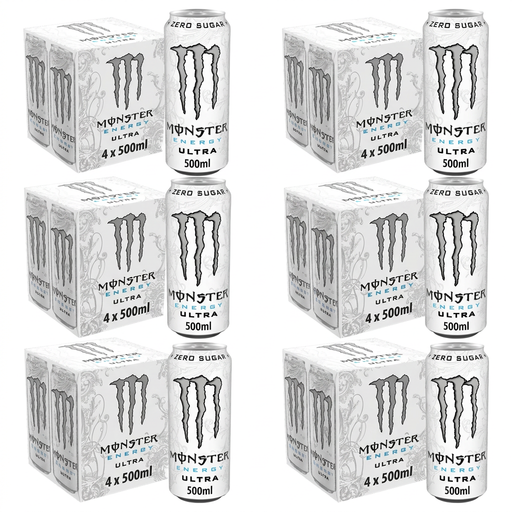 Image unavailable
Monster Energy Ultra Zero Sugar, 6 × 4 × 500 ml
This is the larger-can option for a shopper who wants a 500 ml zero-sugar energy drink. Monster Energy lists 150 mg caffeine per 500 ml Ultra can, so consider the whole can alongside other caffeine you expect that day. Check the exact pack if you require a no-added-sugar claim.
View on Joybuy
Frequently asked questions
Does 'zero sugar' mean 'no added sugar'?
Do not assume that the wording is interchangeable. If you specifically require a no-added-sugar claim, check the exact can or manufacturer information rather than relying solely on a 'zero sugar' or 'Sugarfree' description.
How should I count caffeine from an energy drink at breakfast?
Count the caffeine in the amount you will drink, then consider other sources that day. Red Bull reports 80 mg per 250 ml Sugarfree can and Monster Energy lists 150 mg per 500 ml Ultra can. The European Food Safety Authority's 2015 opinion discusses caffeine intake from all dietary sources for non-pregnant adults; its general findings are not a personal intake target.
Does a sugar-free energy drink change the caffeine consideration during pregnancy?
No: the sugar description does not remove caffeine from the drink. NHS pregnancy guidance says not to have more than 200 mg caffeine a day from all sources; the Monster Energy Ultra can described here contains 150 mg.
Are high-caffeine energy drinks banned for under-16s across the UK?
Do not treat an England announcement as a current UK-wide rule. In July 2026, the UK government announced a planned ban on sales of high-caffeine energy drinks to under-16s in England from April 2027. That announcement does not establish the rules for Scotland, Wales or Northern Ireland.


