Adults who want a smaller zero-sugar can
A 250ml can gives you a defined serving to take with train food. Red Bull lists 80mg caffeine per 250ml can of Red Bull Zero, so avoiding sugar does not mean avoiding caffeine.


For an adult who wants a smaller zero-sugar can with train food, Red Bull Zero provides a 250ml serving with 80mg caffeine, according to Red Bull. If you want a larger carbonated drink, Monster Energy Zero Sugar is 500ml with 160mg caffeine, according to Monster Energy UK; neither zero-sugar option is caffeine-free. If caffeine is unsuitable for you, choose a caffeine-free drink instead.
A 250ml can gives you a defined serving to take with train food. Red Bull lists 80mg caffeine per 250ml can of Red Bull Zero, so avoiding sugar does not mean avoiding caffeine.
Check both caffeine and sugar for the exact 500ml drink. Monster Energy UK lists 160mg caffeine and 0g sugar for Monster Energy Zero Sugar, compared with 160mg caffeine and 55g sugar for Monster Original Green.
If you are pregnant, sensitive to caffeine or choosing a drink for someone else, check suitability before buying. The NHS advises no more than 200mg caffeine a day during pregnancy, counting sources beyond energy drinks.
Start with the amount in the whole can, then compare the sugar information and any suitability warning for the person who will drink it.
| Priority | What to check | Your needs |
|---|---|---|
| Caffeine per can | Read the caffeine amount for the complete can and count other sources that day. Red Bull lists 80mg in 250ml Red Bull Zero; Monster Energy UK lists 160mg in 500ml Monster Energy Zero Sugar. | I want to know how much caffeine the drink adds alongside coffee, tea or cola on my journey. |
| Sugar and sweeteners | Check the exact variant and its nutrition and ingredient labels. Red Bull lists 27g sugars per 250ml regular can, while Monster Energy UK lists 55g sugar per 500ml Monster Original Green; their cited zero-sugar alternatives differ. | If I choose a regular flavour, I want to see its sugar amount rather than assume it matches a zero-sugar can. |
| Can size | Compare millilitres and caffeine per whole can together. The cited 250ml Red Bull Zero contains 80mg caffeine; the cited 500ml Monster Energy Zero Sugar contains 160mg. | A smaller serving may suit the drink I want with food; if I choose a larger can, I will account for its full contents. |
| Suitability | Read caffeine warnings and consider other caffeine consumed that day. The NHS advises a daily limit of 200mg caffeine during pregnancy. | When buying for someone who is pregnant or sensitive to caffeine, I would check the label or choose a caffeine-free drink. |
Monster Energy UK lists 160mg caffeine in a 500ml can of Monster Energy Zero Sugar despite its 0g sugar declaration.
Read the caffeine amount for the whole can and include other caffeinated drinks or products when considering your day’s intake.
The cited 250ml Red Bull Zero and 500ml Monster Energy Zero Sugar contain 80mg and 160mg caffeine per can respectively, according to their manufacturers.
Compare the can volume and per-can figures together, rather than choosing by flavour or front-of-pack wording alone.
Red Bull lists 27g sugars in its regular 250ml drink, while Monster Energy UK lists 55g sugar in a 500ml can of Monster Original Green. Those figures do not describe their zero-sugar variants.
Check the nutrition panel and ingredients on the exact flavour and pack you intend to drink.
Relentless advises that White Citrus is not recommended for children, people sensitive to caffeine, pregnant women or women who are nursing. The NHS also counts energy drinks among caffeine sources during pregnancy.
Check the product warning before buying for someone else; a caffeine-free travel drink avoids adding energy-drink caffeine.
These examples show why the exact variant matters: can size, caffeine and sugar information differ even within a brand.
Its cited 250ml regular and Zero drinks offer smaller can formats to compare with train food.
The cited Zero Sugar and Original Green drinks are 500ml cans.
Relentless describes White Citrus as a carbonated citrus-flavour energy drink.
Lucozade describes its Energy range as sparkling and containing glucose.
These Joybuy options include smaller Red Bull cans and larger Monster and Rockstar cans, with regular and zero-sugar variants. Compare the exact can you would take on the train, not just the multipack size.
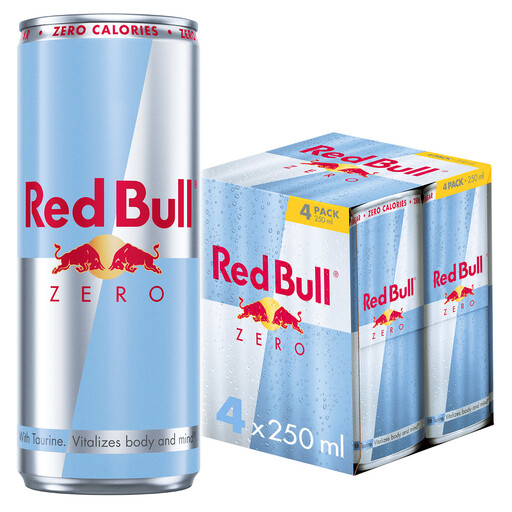 No image available
A smaller zero-sugar can for a journey with food. The listing describes a carbonated drink in four 250ml cans; Red Bull lists 80mg caffeine per 250ml can of Red Bull Zero. It contains sweeteners and caffeine.
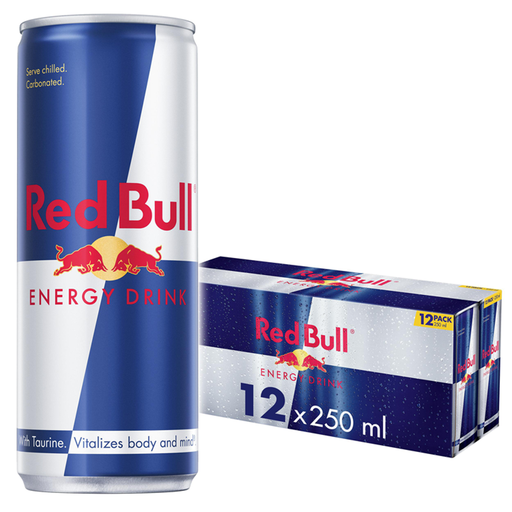 No image available
A smaller regular can if you want a sugar-containing formula with your train food. The listing describes a carbonated drink and states 80mg caffeine per 250ml can; Red Bull lists 27g sugars for its regular 250ml drink. Check the exact can’s nutrition panel.
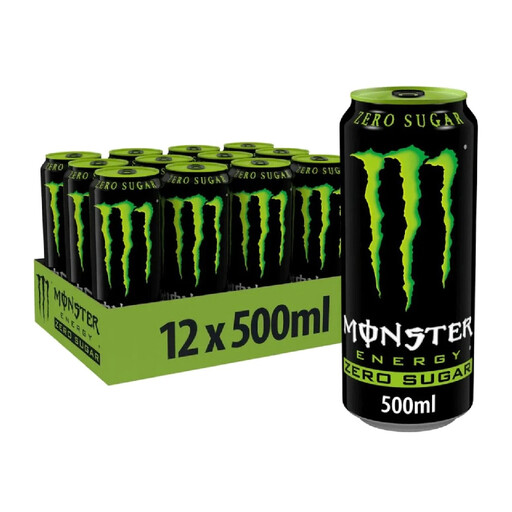 No image available
A larger zero-sugar option if you want a 500ml carbonated can. The listing states 0g sugar and 160mg caffeine per can and identifies sweeteners; account for the full can when considering other caffeine that day.
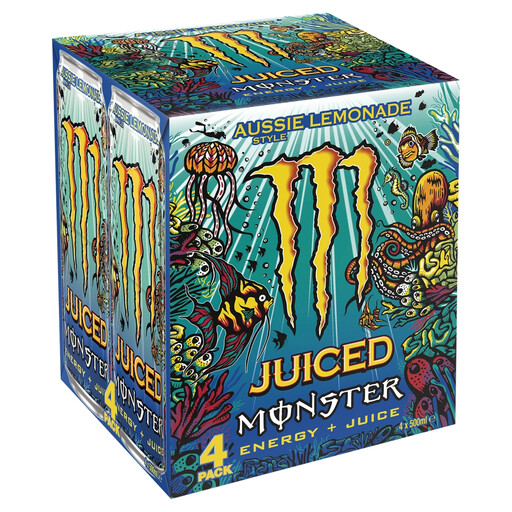 No image available
A lemonade-flavour, carbonated option in larger cans. The listing states 160mg caffeine per 500ml can and 5.0g sugars per 100ml; check the can label when comparing sugar for a whole serving.
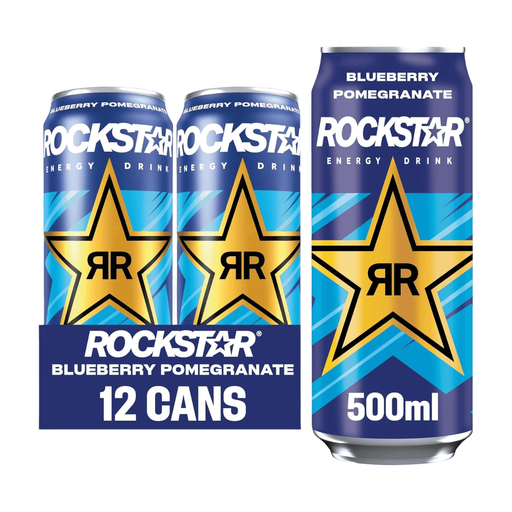 No image available
A carbonated fruit-flavour option for someone comparing larger, sugar-containing cans. The listing states 200mg caffeine per 500ml can and identifies sugar and sweeteners; read the exact can label for its sugar amount per serving.
No. Red Bull lists 80mg caffeine in a 250ml can of Red Bull Zero, and Monster Energy UK lists 160mg in a 500ml can of Monster Energy Zero Sugar. Check caffeine separately from the sugar declaration.
Choose by the amount you intend to drink and the caffeine in the complete can. The cited 250ml Red Bull Zero contains 80mg caffeine, according to Red Bull, while Monster Energy UK lists 160mg in a 500ml Monster Energy Zero Sugar can. The smaller cited can has the lower per-can caffeine amount.
The NHS advises no more than 200mg caffeine a day during pregnancy and identifies energy drinks as one possible source. Count caffeine from the whole day, including other drinks, food and tablets; if you cannot confidently account for it, choose a caffeine-free drink.