
24/7 全天候客户支持

免费退货

当日/次日达

品质保障

开启新人专享福利: 全场免邮 | 低至 2 折 | 免费试用 30 天 JoyPlus 会员
下载 Joybuy
Choosing between energy drinks and supplements can be surprisingly difficult. A brightly coloured can may promise focus, while a powder may appear more economical, but the useful details are often hidden in serving sizes, caffeine levels and ingredient lists.
For UK shoppers, three common traps are worth avoiding:
The right choice depends on whether you need a convenient drink for work or driving, a pre-workout energy drink, hydration support or a sports nutrition supplement for training.
Caffeine is one of the most important figures to compare. Check the amount per can, scoop or capsule, rather than relying only on the product’s size.
For example, the supplied product information lists:
This makes a significant difference if you also drink coffee, tea or use caffeine supplements. Keep track of your total daily intake and follow the product directions. High-caffeine products are generally unsuitable for children and are not recommended for pregnant or breastfeeding women. People who are sensitive to caffeine or taking medication should seek appropriate medical advice before use.
A standard energy drink may contain a considerable amount of sugar. Red Bull Energy Drink, for example, lists 28g of sugar per 250ml can, while Monster Original Green lists 55g per 500ml can.
By contrast, sugar-free energy drinks such as Red Bull Sugarfree and Monster Ultra Rosa list 0g sugar per serving. However, these products use sweeteners, so check the ingredients if you are sensitive to particular sweeteners or prefer to limit them.
Zero-sugar energy drinks are not automatically suitable for every situation. During longer endurance sessions, carbohydrate may be useful as a source of fuel. In that case, a carbohydrate energy powder can be more relevant than a low-calorie canned drink.
Look for ingredients that fit your intended use:
Packaging, formulation and serving guidance can change. Always check the label supplied with the product before consumption.
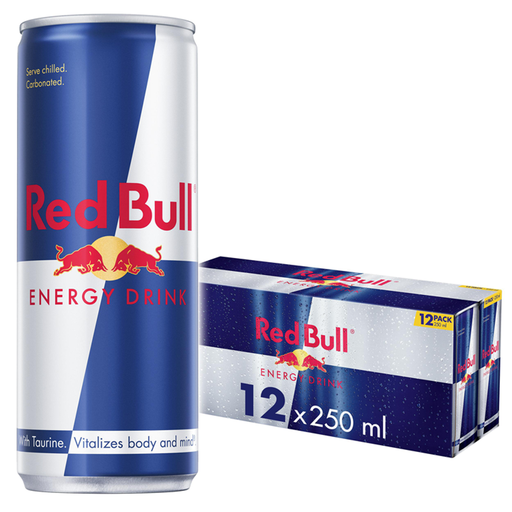
Why This Fits Their Persona: The 250ml can format offers a familiar portion for shoppers trying energy drinks UK products without committing to a larger 500ml serving.
The label clearly states 80mg caffeine and 28g sugar per can, making the nutritional trade-off easier to understand before buying.
Compact 250ml cans; supplied in a 12-pack; suitable for vegetarian and vegan diets according to the listing.
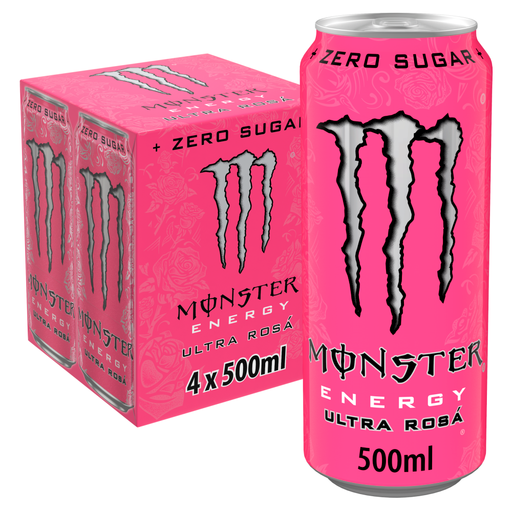
Why This Fits Their Persona: A larger can suits shoppers who prefer a longer drink for gaming, desk work or extended travel, with a floral and grapefruit-style flavour profile.
It is labelled zero sugar, but still lists 30mg caffeine per 100ml, so buyers can account for approximately 150mg in the full can.
Zero sugar; 14 calories per 500ml can; includes B vitamins and a ready-to-drink format.
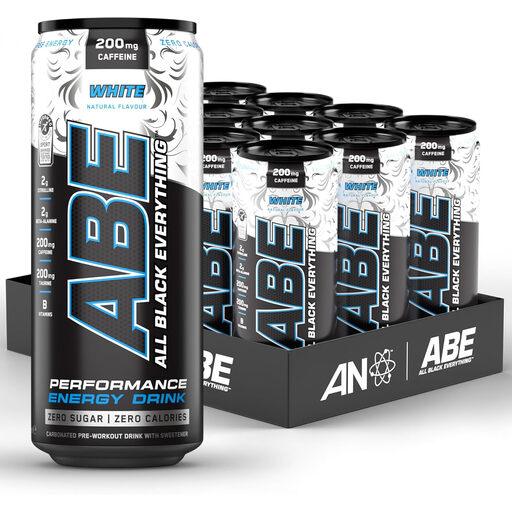
Why This Fits Their Persona: Designed for adults who want a measured pre-workout energy drink before gym or high-intensity training without sugar or calories.
The serving information states one 330ml can and a maximum of one per day, helping users avoid guessing the dose.
Zero sugar and zero calories; lists 200mg caffeine, beta-alanine and citrulline per can.
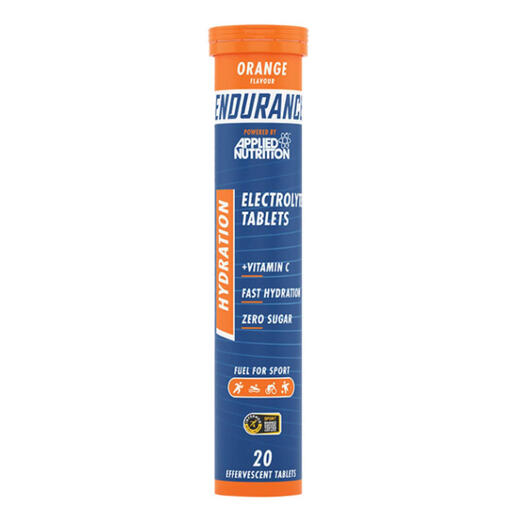
Why This Fits Their Persona: A practical choice for cyclists, runners, gym users and travellers who need portable hydration rather than a caffeinated energy drink.
It separates hydration from stimulation, with one tablet dissolved in 200–500ml of water and a stated maximum of four tablets daily.
Zero sugar; 7 calories per tablet; supplies sodium, potassium, calcium and magnesium.
They can be useful if you want to limit sugar or calories, but they still contain caffeine in many cases. Compare the caffeine per can and consider any coffee, tea or caffeine supplements consumed that day.
Not necessarily. A caffeinated formula may be unsuitable close to bedtime or for people sensitive to stimulants. For evening sessions, consider a stimulant-free product. For longer sessions, carbohydrate powder or electrolyte tablets may be more relevant than additional caffeine.
Compare the cost per serving, not just the pack price. Multipacks can reduce the price per can, while powders may provide several measured servings. Electrolyte tablets are compact and require water, but the number of tablets and recommended daily limit should be checked before purchase.