
24/7 Customer Support

Free returns

Same-day & Next-day Delivery

Quality Guaranteed

Unlock Your Welcome Offers: FREE Delivery | Up to 80% OFF | Free 30-day JoyPlus trial
Download the APP
Navigating the world of energy drinks can feel like a workout in itself. With shelves packed with vibrant cans all promising to boost your focus and stamina, it's easy to grab one that doesn't quite deliver. Many of us have experienced the all-too-common pitfalls: the initial buzz that quickly fades into a slump, or paying a premium for an exotic flavour that offers little functional benefit.
The key to avoiding disappointment is to look past the marketing hype and understand what you're actually buying. Two of the most common traps for UK consumers are:
By learning to read the label and match the product to your specific needs, you can find a reliable source of energy without the unwanted side effects.
Before you decide, it's helpful to understand the core components that determine a drink's effect. Focusing on these three parameters will help you make a more informed choice.
Caffeine is the primary active ingredient in most energy drinks. In the UK, a typical can contains around 32mg of caffeine per 100ml. However, this can vary significantly.
Always check the total caffeine content per can and consider your personal tolerance. UK regulations require a "High caffeine content" warning on beverages containing more than 150mg of caffeine per litre, so this information is readily available on the label.
This is one of the biggest differentiators. Your choice depends entirely on your goals and dietary preferences.
Many energy drinks are fortified with additional ingredients. While their effects can vary, the most common are:
To help you find the right fit, we've matched a few options to common user needs.
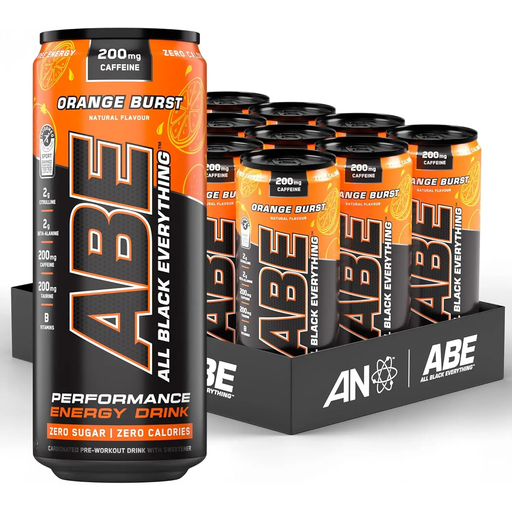
Why This Fits Their Persona: This drink is geared towards those who need more than just a caffeine kick before hitting the gym. Its formulation is designed to support physical performance, making it a practical choice for athletes and fitness enthusiasts.
It is a zero-sugar formula, completely avoiding the sugar crash. It also moves beyond vague blends by including specified performance ingredients like Beta-Alanine and Citrulline.
Features a higher caffeine content (approx. 200mg per can) for a significant pre-workout boost. The inclusion of amino acids and B-vitamins supports performance and energy metabolism.
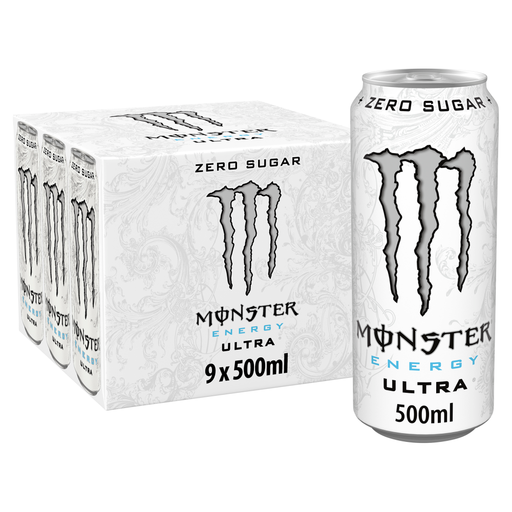
Why This Fits Their Persona: Ideal for students, professionals or gamers who need sustained focus over several hours. Buying in a larger pack like this energy drinks case is convenient and cost-effective for regular use.
As a leading zero sugar energy drink, it delivers alertness without the risk of a sugar-induced energy slump, helping maintain consistent concentration for longer periods.
Offers a crisp, light citrus flavour that is refreshing and easy to drink. The 9-can multipack is perfect for stocking up at home or the office.
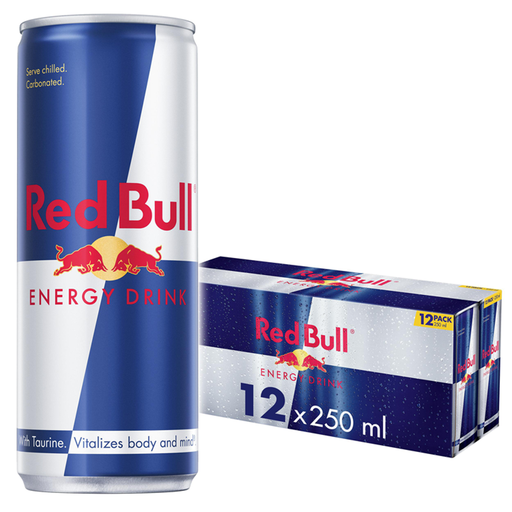
Why This Fits Their Persona: For those who prefer the original, iconic energy drink experience. It's a reliable choice for a quick boost before a social event, during a long drive or whenever a familiar lift is needed.
While it contains sugar, its purpose is clear and well-understood: to provide a quick, noticeable energy lift. It doesn't hide behind vague marketing, delivering exactly what its fans expect.
The globally recognised formula provides a consistent taste and effect. Buying in a 12-pack offers better value for regular consumers of Red Bull.
We have compiled a complete, real-time list of products that fully satisfy these strict selection criteria and UK safety regulations.
General guidance for healthy adults suggests a daily caffeine intake of up to 400mg is not typically associated with adverse effects. However, individual sensitivity varies greatly. A single 500ml can of an energy drink can contain between 150mg and 200mg of caffeine. It's important to read the label, be mindful of your total daily consumption from all sources (including coffee and tea) and consume responsibly.
Yes, in most cases, purchasing bulk energy drinks or a multipack is more cost-effective than buying single cans. If you are a regular consumer, buying an energy drinks case of 12 or 24 cans can lead to significant savings over time and ensures you always have a supply on hand.
While many people use a pre workout drink to boost performance, it's wise to consider the type of activity. For high-intensity cardiovascular exercise, a large amount of caffeine can elevate your heart rate substantially. It's always recommended to start with a smaller amount to assess your tolerance and to consume it 15-30 minutes before your workout. Always check the product's specific usage instructions.