
24/7 Customer Support

Free returns

Same-day & Next-day Delivery

Quality Guaranteed

Unlock Your Welcome Offers: FREE Delivery | Up to 80% OFF | Free 30-day JoyPlus trial
Download the APP
Navigating the world of energy drinks can feel overwhelming. Shelves are packed with vibrant cans all promising to enhance focus, power up your workout or get you through a long day. However, not all energy drinks are created equal and it is easy to fall into common purchasing traps that lead to disappointment and wasted money.
Many find themselves caught out by two main issues. Firstly, the "hidden sugar trap," where drinks with appealing fruit flavours are loaded with sugar, leading to a brief high followed by an unwelcome energy crash. Secondly, vague "proprietary energy blend" labels often obscure how much of each active ingredient you are actually getting, making it difficult to compare products or manage your caffeine intake effectively. This guide will help you understand the key factors to look for, ensuring you select a drink that genuinely fits your needs.
To make an informed choice, it is crucial to look past the marketing and analyse a few core parameters on the can. These details determine the drink's effect, suitability and overall value.
The primary active ingredient in most energy drinks is caffeine. The amount can vary significantly, from around 80mg in a standard 250ml can (similar to a strong cup of coffee) to 200mg or more in performance-focused options.
Always check the caffeine content per can, not just per 100ml, to understand your total intake. The UK's Food Standards Agency (FSA) advises that up to 400mg of caffeine per day is generally considered safe for most healthy adults.
The choice between a sugar-sweetened and a sugar-free energy drink is one of the most important decisions.
Many drinks are fortified with additional ingredients to support their function. Here are a few common ones:
To help you find the right fit, we have matched some popular options to different user needs. These selections are based on their clear formulations and suitability for specific lifestyles.
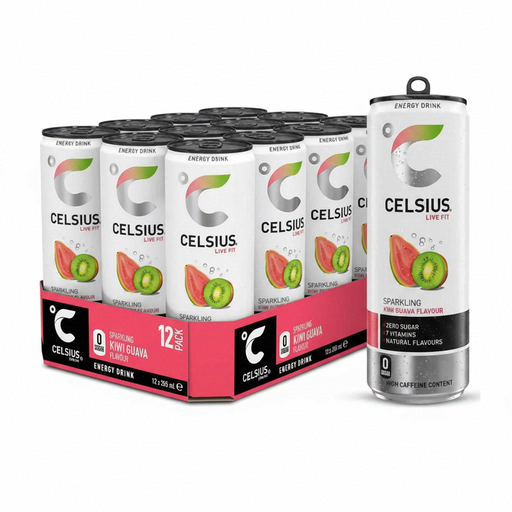
Why This Fits Their Persona: This user needs sustained mental focus for work without a sugar crash. The zero-sugar formula and inclusion of B-vitamins provide a clean lift, making it ideal for sipping at a desk throughout the afternoon.
It directly counters the "hidden sugar trap" by being completely sugar-free, delivering a refreshing kiwi-guava flavour without the associated energy slump.
Formulated with zero sugar and enriched with seven vitamins. It is also a vegan energy drink, catering to specific dietary preferences.
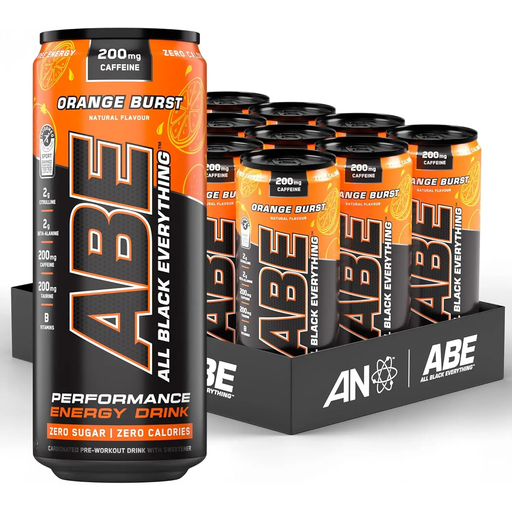
Why This Fits Their Persona: This user requires a serious performance boost before a workout. This drink is specifically designed as a pre-workout drink, containing ingredients to support endurance and focus during intense physical training.
It avoids the "vague blend" trap by clearly listing performance-oriented ingredients like Citrulline Malate and Beta-Alanine, giving users confidence in its function.
Contains 200mg of caffeine for a significant energy lift and is fortified with amino acids and electrolytes. It is also zero-sugar and low-calorie.
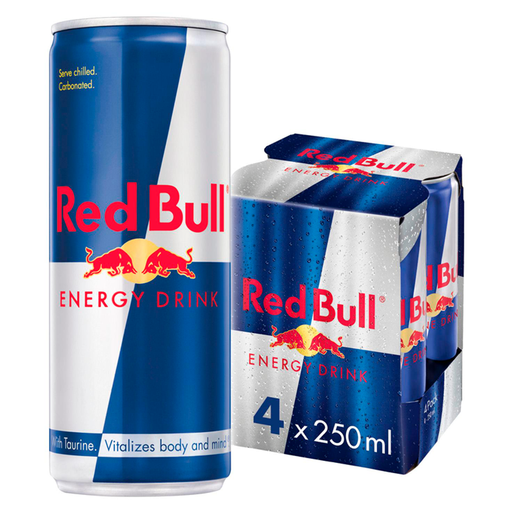
Why This Fits Their Persona: This user values reliability and the classic energy drink experience. They need a trusted boost for everyday situations like long drives or busy workdays. The original formula is a known quantity that delivers a consistent effect.
It avoids the trap of over-promising. Its purpose is clear: to vitalise body and mind with a standard, effective formula. The ingredient list is straightforward and has remained consistent for years.
Features a standard 80mg of caffeine per can and uses real sugar for a quick energy lift. This convenient energy drink multipack is ideal for stocking the fridge.
We have compiled a complete, real-time list of products that fully satisfy these strict selection criteria and UK safety regulations.
While both provide energy, their formulations are tailored for different purposes. A general energy drink is primarily designed to improve mental alertness and reduce tiredness, relying mainly on caffeine and B-vitamins. A pre-workout drink is more specialised for physical performance, often containing a higher dose of caffeine alongside amino acids like Beta-Alanine and Citrulline to support muscle endurance and blood flow during exercise.
Buying an energy drink multipack or a full case of energy drinks is often more economical if you are a regular consumer. The price per can is typically lower compared to buying single cans. It also offers convenience, ensuring you have a supply ready at home or the office for whenever you need a boost, saving you frequent trips to the shop.
According to the UK Food Standards Agency (FSA), a daily intake of up to 400mg of caffeine is generally not associated with safety concerns for healthy adults. A single energy drink can contain anywhere from 80mg to over 200mg. It is important to be mindful of your total daily consumption from all sources, including coffee, tea and other caffeinated products. Always consume energy drinks responsibly and check the label for the exact caffeine content.