Gym-goers keeping track of caffeine
If you also have coffee, tea or a pre-workout product, the caffeine stated for the whole can helps you work out what else is already part of your day.


Choose by the caffeine and sugar in the entire can, taking account of any caffeine you have already had from drinks or supplements. Red Bull states that its Original 250 ml can contains 80 mg caffeine and 27 g sugars; Monster lists 150 mg caffeine and 0 g sugar for its carbonated Ultra Fiesta 500 ml can. Neither can size nor a zero-sugar label settles the choice on its own, and the NHS advises using water to replace fluids lost through physical activity.
A sparkling energy drink is worth assessing against your snack, other caffeine and plans for water during training—not just its flavour or can size.
If you also have coffee, tea or a pre-workout product, the caffeine stated for the whole can helps you work out what else is already part of your day.
You may prefer to keep sugar out of the drink while choosing food separately. Monster lists 0 g sugar but 150 mg caffeine for a 500 ml can of Ultra Fiesta, so check both figures.
A 250 ml can may be easier to fit into your plans than a 500 ml one. Red Bull states that its Original 250 ml can has 80 mg caffeine and 27 g sugars: smaller does not mean sugar-free.
Start with the figures for the exact can you intend to drink, then consider your snack and how you will replace fluids during training.
| Priority | What to check | Your needs |
|---|---|---|
| Caffeine | Read the caffeine amount in mg for the full can, not just per 100 ml. Count caffeine from other drinks and pre-workout products too. Red Bull states 80 mg per 250 ml Original can; Monster lists 150 mg per 500 ml Ultra Fiesta can. | I want to know how much caffeine this particular can adds to what I have already consumed today. |
| Sugar | Compare sugar in g for the full can and check the exact variant. Red Bull states 27 g sugars for Original 250 ml, while Monster lists 0 g for Ultra Fiesta 500 ml and 55 g for Original 500 ml. | If my snack already contains the food I want, I may prefer a zero-sugar drink. If I am considering a sugared can, I want to know what the whole can contains. |
| Fluids | Plan water separately, especially when you expect to sweat. The NHS advises water for replacing fluids lost through physical activity; a sparkling format does not change that guidance. | I like a fizzy drink, but I also need a way to replace fluids during training. |
| Warnings | Read the warning on the exact pack. The NHS says not to exceed 200 mg caffeine a day during pregnancy; Relentless advises that White Citrus is not recommended for children, people sensitive to caffeine, pregnant women or women who are nursing. | Before buying a high-caffeine drink, I want to check whether its warnings apply to me. |
Monster lists 0 g sugar and 150 mg caffeine in the same 500 ml can of Ultra Fiesta. One figure cannot stand in for the other.
Check both amounts for the full container, then include caffeine from coffee, tea and any pre-workout product in your decision.
A preference for carbonation does not make an energy drink the drink to rely on for replacing fluids lost through activity. The NHS advises water for that purpose.
Bring water for training and consider any energy drink as a separate caffeinated drink.
Monster lists 160 mg caffeine and 55 g sugar for a 500 ml Original can, compared with 150 mg caffeine and 0 g sugar for a 500 ml Ultra Fiesta can.
Read the flavour, variant and pack size on the can you are buying rather than carrying figures across the range.
Pregnancy and caffeine sensitivity can change whether a high-caffeine can is appropriate. The NHS gives a 200 mg daily caffeine limit during pregnancy, and Relentless advises against White Citrus for several groups, including children and people sensitive to caffeine.
Read the specific pack warning and consider caffeine from all sources. If you need advice about your circumstances, ask an appropriate healthcare professional.
Ranges differ by variant, so these references are starting points for checking a particular can, not substitutes for its label.
Red Bull’s Original provides an example of a 250 ml energy-drink can with stated full-can caffeine and sugar amounts.
Monster’s UK product information covers both a zero-sugar carbonated Ultra Fiesta can and a sugared Original can in 500 ml sizes.
Relentless describes White Citrus as a carbonated citrus-flavour energy drink containing caffeine.
Lucozade describes its Alert range as sparkling, high-caffeine soft drinks.
Tesco is a retailer, not an energy-drink formulation. Tesco Groceries lists products from brands including Red Bull, Monster and Relentless.
These sparkling drinks include smaller cans, zero-sugar variants and larger caffeine servings. Compare the exact can and pack details with your snack and other caffeine intake; the products are not a ranking of pre-workout suitability.
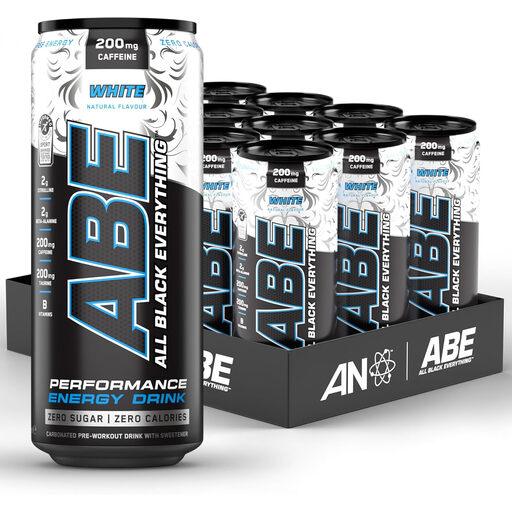 No image available
A carbonated drink described for use before exercise; the product directions say to consume a 330 ml can 15–30 minutes beforehand. The listing states 200 mg caffeine and 0 g sugar per can. Account for other caffeine, and read its cautions concerning age, pregnancy, breastfeeding, caffeine intolerance, medicines and supplements.
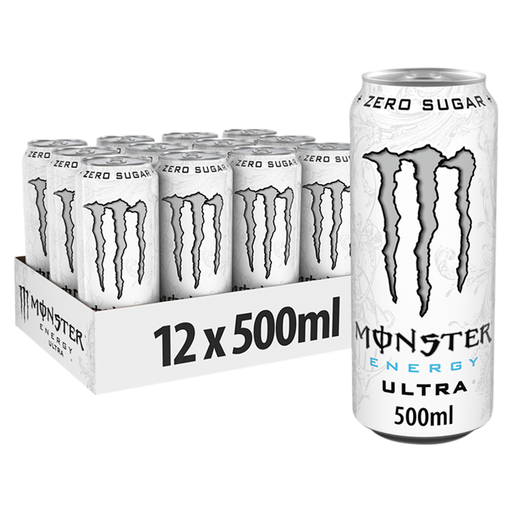 No image available
A carbonated zero-sugar option if you want the sugar kept out of the drink. The listing states 160 mg caffeine and 0 g sugar per 500 ml can. Count other caffeine you consume and check the pack warnings, including those concerning children, pregnancy, breastfeeding and caffeine sensitivity.
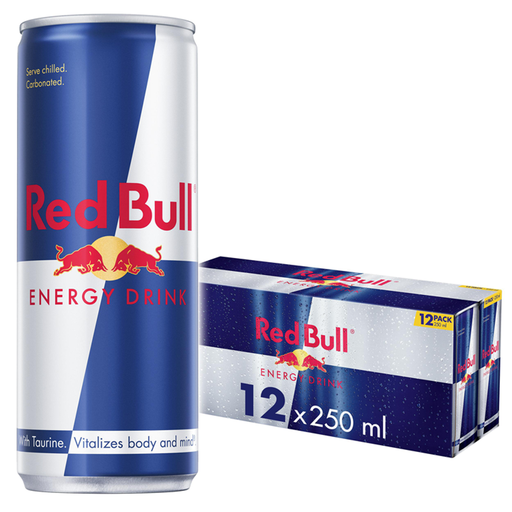 No image available
Each carbonated 250 ml can is listed with 80 mg caffeine, giving you a smaller can to compare with the 500 ml options. Check the sugar amount on your pack before relying on a full-can figure, and read the listed cautions concerning children, pregnancy and breastfeeding.
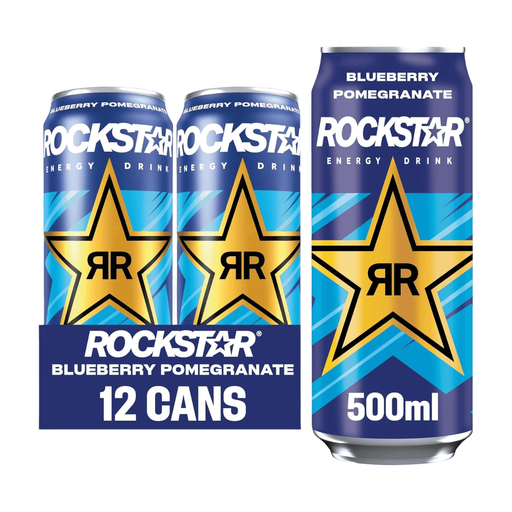 No image available
A carbonated 500 ml option with a stated 200 mg caffeine per can. Check the pack for sugar in the full can before comparing it with other variants; the listing gives sugar per 100 ml. Include other caffeine in your plans and read the cautions concerning children, pregnancy, breastfeeding and caffeine sensitivity.
 No image available
A smaller carbonated can for shoppers who want a zero-sugar drink; the listing states 0 g sugars and gives caffeine as 32 mg per 100 ml. Check the caffeine amount for the full 250 ml can on the pack when planning your intake, and read its cautions concerning children, pregnancy, breastfeeding and caffeine sensitivity.
No: compare caffeine and sugar for the full can against what you want with your snack. Red Bull states that Original 250 ml contains 80 mg caffeine and 27 g sugars, whereas Monster lists 150 mg caffeine and 0 g sugar for Ultra Fiesta 500 ml. The smaller option contains less caffeine in these two examples, but it is not sugar-free.
Do not rely on it as your way to replace fluids lost through activity. The NHS advises water for that purpose, so plan water separately if you choose a caffeinated drink.
No single amount suits everyone, and a safety assessment is not an exercise target. The European Food Safety Authority states that single doses up to 200 mg and daily intakes up to 400 mg from all sources do not raise safety concerns for the general healthy adult population. Consider individual sensitivity and all the caffeine you consume; different guidance applies during pregnancy.
Check caffeine from every source against NHS guidance not to have more than 200 mg a day during pregnancy. Also read the exact product warning: Relentless says White Citrus is not recommended for pregnant women or women who are nursing.
Yes. In July 2026, the UK Government announced that sales of high-caffeine energy drinks to under-16s in England would be banned from April 2027. That announcement concerns England and a future start date; it does not establish an identical rule for the rest of the UK.