Choose a glass-bottled energy drink if the bottle matters to how you serve or collect it, but judge it as a pre-workout snack by its actual caffeine, sugar and ingredients, not its packaging. If those contents matter more than presentation, a can with clearly stated figures offers another option; account for your other caffeine intake and personal tolerance before choosing a serving.
Who is this choice for?
Adults who want a glass bottle
Glass may matter for serving, gifting or collecting. For a drink before training, check the contents too: UK retailer MCR Snack Distro lists its imported 250 ml Red Bull glass bottle with 80 mg caffeine and 28 g sugars.
Gym-goers comparing caffeine servings
A stated amount per drink makes it easier to consider body mass, personal tolerance and caffeine from other drinks or products that day. Bottle size alone does not give an individualised dose.
Buyers comparing drinks with and without sugar
The two formats need not have the same contents. MCR Snack Distro lists 28 g sugars in its imported 250 ml glass-bottle Red Bull, while Monster Energy UK states 0 g sugar for a 500 ml Monster Ultra can. Those figures apply to the named products, not every drink from either brand.
What should you check?
Start with the amount in the serving you would drink, then consider whether glass packaging adds anything you personally want.
| Priority | What to check | Your needs |
|---|
| Caffeine |
Read the milligrams per serving and the serving size. The International Society of Sports Nutrition’s 2021 exercise position stand discusses caffeine in relation to body mass and identifies 60 minutes before exercise as a commonly used timing; individual responses vary. |
I want to account for caffeine I have already had today, rather than treating one bottle or can as a dose that suits everyone. |
| Sugars |
Compare sugars per bottle or can, not just the product range. MCR Snack Distro lists 28 g per 250 ml imported Red Bull glass bottle; Monster Energy UK lists 0 g per 500 ml Monster Ultra can. |
If this drink is part of my pre-workout snack, its sugar content matters to my choice alongside its caffeine. |
| Packaging |
Confirm the container is glass if that is the reason for buying it. For an imported drink, inspect the actual bottle’s ingredients, date marking and UK-facing food information rather than relying on figures for a standard can. |
I would choose glass for its presentation, but I do not expect the container itself to change the drink’s exercise effect. |
| Caffeine warning |
UK Department of Health and Social Care guidance states that drinks other than tea or coffee containing more than 150 mg caffeine per litre require a high-caffeine warning and a declaration in mg per 100 ml. Check the actual pack, particularly when buying an imported bottle. |
I want the caffeine information and applicable warning to be clear on the drink I receive. |
Buying pitfalls
-
Expecting glass packaging to improve a workout
Glass changes how the drink is presented, not its listed caffeine or sugar. The International Society of Sports Nutrition’s exercise position stand relates caffeine effects to intake and timing, not container material.
Choose glass if you value the format; assess the drink itself by the figures on its bottle.
-
Treating one can or bottle as a personal caffeine dose
The International Society of Sports Nutrition describes exercise research using caffeine amounts relative to body mass and notes a higher incidence of side-effects at very high doses. A fixed serving will not suit everyone in the same way.
Check the caffeine per serving and include coffee, tea and other caffeinated products in your assessment of the day’s intake.
-
Using standard-can details for an imported bottle
MCR Snack Distro lists 28 g sugars in its imported 250 ml Red Bull glass bottle, while Red Bull UK states 27 g for its standard 250 ml can. The figures should not be treated as interchangeable product labels.
Read the ingredients, caffeine declaration, sugar figure and date marking on the particular bottle you intend to buy.
Brand references
These examples illustrate different drinks and formats; a brand name alone does not establish the contents of a particular bottle.
Red Bull
Red Bull UK states that its standard 250 ml Energy Drink can contains 80 mg caffeine and 27 g sugars. MCR Snack Distro separately lists an imported 250 ml glass bottle with 80 mg caffeine and 28 g sugars.
- The named can and retailer-listed bottle provide serving figures to compare.
- Use the glass bottle’s own label rather than assuming it has the standard UK can’s formulation.
Monster
Monster Energy UK states that a 500 ml Monster Ultra can contains 150 mg caffeine and 0 g sugar; its figures may vary by region.
- The named Ultra can gives a specific caffeine and sugar comparison.
- Ultra is a can, and its figures must not be applied to other Monster variants.
Relentless
Your Coca-Cola UK lists Relentless energy drinks in 12 × 500 ml packs, including Origin and Guava.
- The named packs offer another canned format to consider.
- Check the selected drink’s label for its caffeine and sugar figures before comparing servings.
Lucozade
Lucozade describes its Energy range as containing glucose, making the chosen drink’s ingredients and nutrition information relevant to a snack decision.
- The range may interest buyers looking specifically for a glucose-containing drink.
- Check the particular product for its serving figures and container format; a range description does not establish either for every variant.
Joybuy canned drink options
These are canned options for comparing pre-workout or conventional energy drinks when a glass bottle is not essential. Check each pack’s label before use.
 No image available
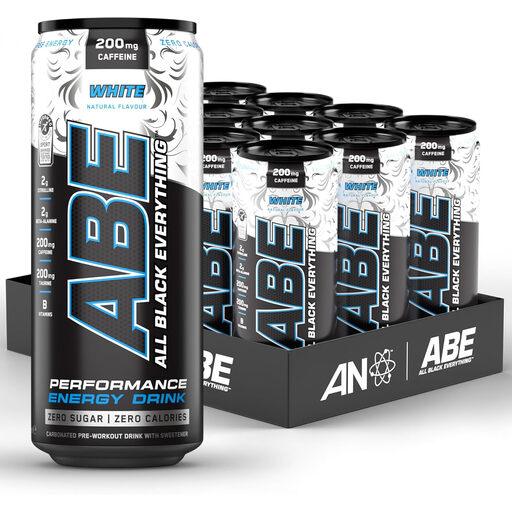
Applied Nutrition ABE White Pre Workout Energy Drink Natural, 12 × 330 ml
A ready-to-drink option to consider before training if a can meets your packaging needs. The pack contains 12 cans of 330 ml; check caffeine, sugars, directions and cautions on the product label before choosing a serving.
 No image available
Optimum Nutrition Amino Acids + Electrolytes Energy Drink, Tropical Flavour, 24 × 250 ml
Consider this canned drink if you want a 250 ml serving format rather than glass presentation. The pack contains 24 cans; read the label for caffeine per can, sugars and use directions.
 No image available
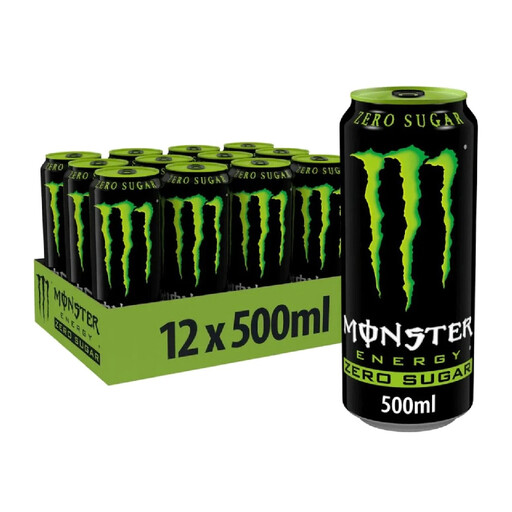
Monster Energy Green Zero Sugar, 12 cans
The Zero Sugar variant is a canned alternative if you are comparing sugar declarations. This is a 12-can pack, not a glass-bottle option; check its own caffeine figure rather than using the figure for Monster Ultra.
 No image available
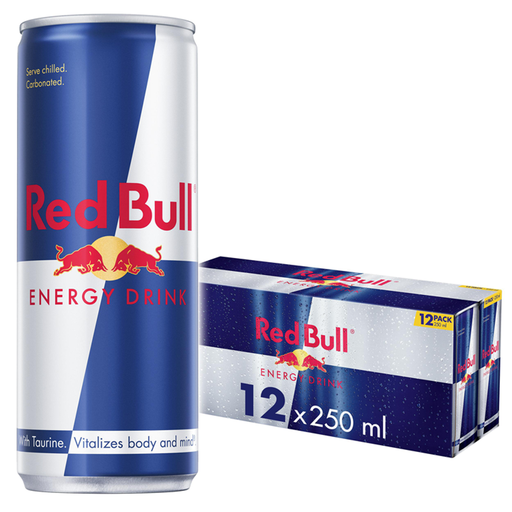
Red Bull Energy Drink, 12 × 250 ml
This standard canned format is an alternative when the glass bottle’s presentation is not important. The pack contains 12 cans of 250 ml; check the label on this pack for its caffeine and sugar amounts rather than applying the imported bottle’s figures.
 No image available
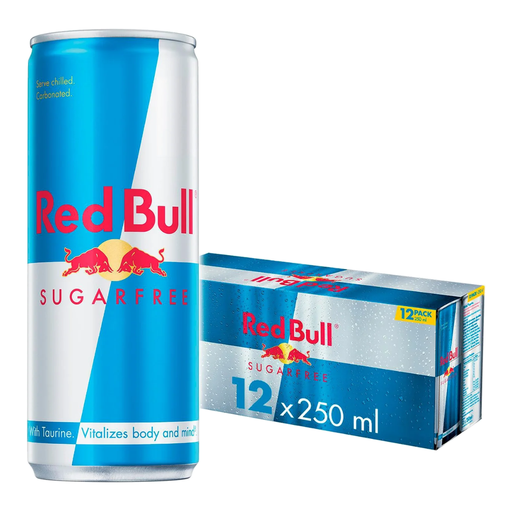
Red Bull Sugarfree Energy Drink, 12 × 250 ml
Compare this Sugarfree variant if you want a 250 ml canned serving rather than a glass bottle. The pack contains 12 cans; read its own nutrition and caffeine declarations, including the ingredient information relevant to you.
Questions about drinks before training
Does a glass bottle make an energy drink more useful before training?
Glass is a presentation choice, not a measure of the drink’s exercise effect. The International Society of Sports Nutrition’s exercise position stand discusses caffeine amount and timing instead, so compare the actual drink’s caffeine, sugars and ingredients.
When is caffeine commonly taken before exercise?
The International Society of Sports Nutrition’s 2021 position stand identifies about 60 minutes before exercise as a commonly used timing. It also notes that timing can depend on the caffeine source and that individual responses vary.
Is the imported 250 ml Red Bull glass bottle enough caffeine for a workout?
MCR Snack Distro lists 80 mg caffeine per 250 ml imported glass bottle, but that figure alone cannot establish whether the serving suits you. Consider your body mass, tolerance and other caffeine intake; the International Society of Sports Nutrition discusses exercise findings in amounts relative to body mass, not as a single serving for everyone.
What should I check on a high-caffeine drink’s label?
Check the caffeine declaration on the actual pack. UK Department of Health and Social Care guidance states that drinks other than tea or coffee containing more than 150 mg caffeine per litre require the warning “High caffeine content. Not recommended for children or pregnant or breast-feeding women” and must state caffeine in mg per 100 ml. This is particularly worth checking on an imported bottle rather than relying on a standard can’s details.


