
24/7 全天候客户支持

免费退货

当日/次日达

品质保障

开启新人专享福利: 全场免邮 | 低至 2 折 | 免费试用 30 天 JoyPlus 会员
下载 Joybuy
Long runs, sportive rides and triathlon training can place significant demands on your fuelling plan. Energy gels for endurance athletes offer a compact way to consume carbohydrates during prolonged activity, but choosing the wrong formula can lead to wasted money, unpleasant flavours or a product that does not suit your routine.
The main issue is that energy gels are not interchangeable. Some provide carbohydrates only, while others contain caffeine, electrolytes or pre-workout ingredients. Before buying, check the nutrition panel, recommended use and suitability warnings rather than relying on phrases such as “advanced”, “clean” or “fast acting”.
A sugar-free gel may still contain a substantial amount of carbohydrate, often from maltodextrin or similar ingredients. For example, some Applied Nutrition isotonic gels provide 23.1g of carbohydrate and 0g of sugars per 60g serving.
This can be useful if you are specifically comparing sugar-free energy gels, but “zero sugar” does not mean the gel is calorie-free or suitable for every fuelling strategy. Always compare the total carbohydrate figure per sachet.
Thicker carbohydrate products can be easier to swallow with water. However, some isotonic energy gels are formulated to be consumed without additional water. This may be practical during a crowded race, a cycle section without frequent bottle access or a winter run when carrying fluids is less convenient.
That does not remove the need to hydrate. An isotonic gel is a fuelling product, not a replacement for a properly planned fluid intake.
Caffeinated energy gels can be useful for some training sessions, but the caffeine content varies considerably. One gel may contain 75mg, while a pre-workout gel may contain 200mg or 230mg. Adding coffee, tea, caffeinated drinks and other supplements can make the total difficult to track.
For this reason, caffeine-containing products should be selected deliberately and used according to the label. They are not automatically appropriate for every run, ride or gym session.
For carbohydrate energy gels, compare grams per sachet rather than the size of the box. The products listed here range from approximately 22g to 40g of carbohydrate per gel.
Lower-carbohydrate gels may suit shorter sessions or athletes who are combining gels with sports drinks and food. Higher-carbohydrate tri-carb energy gels may appeal to users preparing for longer endurance events, but they should be introduced during training to assess personal tolerance.
Maltodextrin is common in running energy gels and cycling energy gels. Some products combine maltodextrin with fructose, while tri-source formulas may also include highly branched cyclic dextrin.
A 2:1 or 1:0.8 carbohydrate ratio describes the balance between carbohydrate sources; it is not a guarantee of performance or comfort. Your own training experience, the intensity of exercise and your wider nutrition plan remain important.
Caffeinated energy gels may be suitable before or during demanding exercise, but check the exact amount per serving. Electrolyte energy gels can contain sodium, magnesium or chloride, although the quantity differs between products.
Do not assume a gel provides enough electrolytes for an entire event. Compare the label with your drink, capsule and food intake to avoid duplicating ingredients unnecessarily.
Other practical checks include:
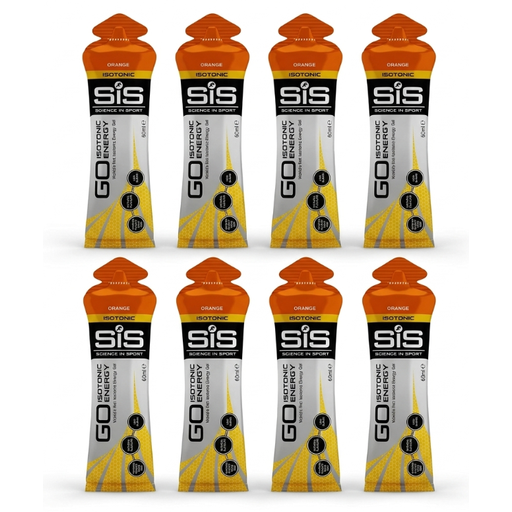
Why This Fits Their Persona: A smaller eight-pack lets new runners and cyclists trial an isotonic format before committing to a larger training supply.
The label states 22g carbohydrate per 60ml gel and an isotonic formula designed for use without additional water.
22g carbohydrate per sachet; orange flavour; no artificial flavours listed in the supplied product information.
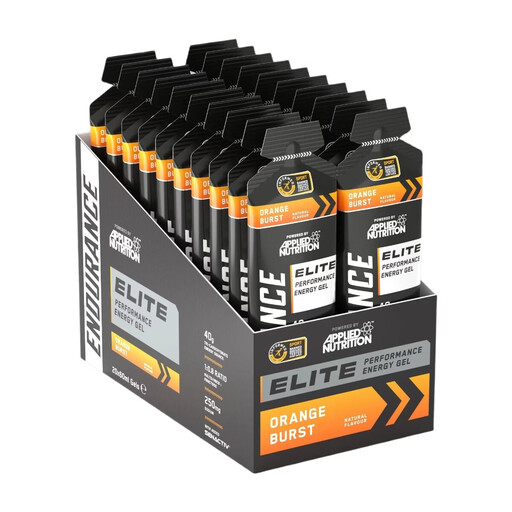
Why This Fits Their Persona: Suited to experienced marathoners, cyclists and triathletes who want a higher-carbohydrate option for lengthy sessions.
The nutrition panel clearly identifies 40g carbohydrate and 250mg sodium per gel, rather than relying only on broad performance wording.
Tri-source carbohydrate blend; 250mg sodium per 60ml gel; supplied in a 20-gel pack.
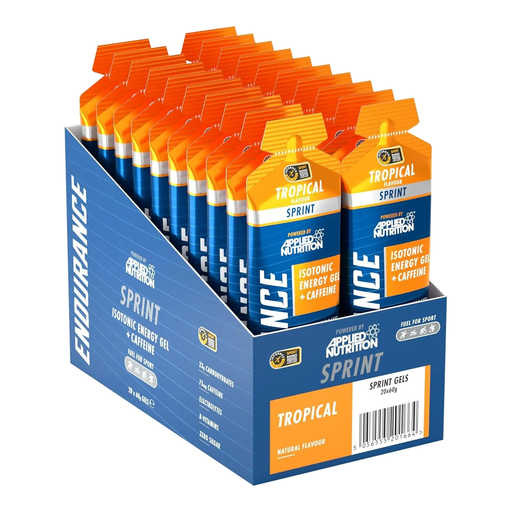
Why This Fits Their Persona: A practical match for active adults wanting carbohydrate, electrolyte and moderate caffeine support in one portable sachet.
Its label specifies 75mg caffeine per gel, helping users count intake instead of guessing from vague “energy” language.
23.1g carbohydrate; 75mg caffeine; magnesium, sodium and chloride listed per serving.
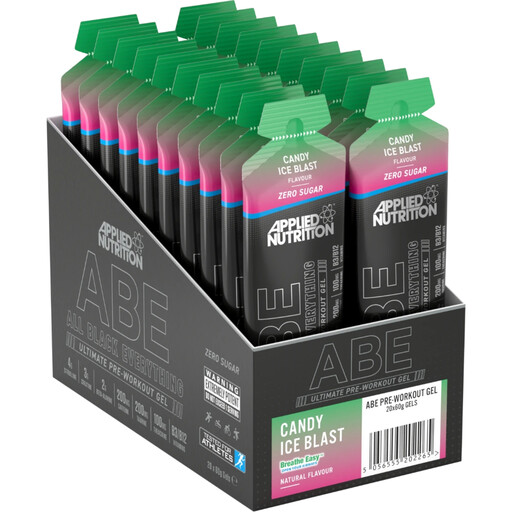
Why This Fits Their Persona: Designed for adults doing intense gym, interval or resistance sessions who specifically want a pre-workout gel rather than a standard endurance fuel.
It is clearly positioned for pre-exercise use and states 200mg caffeine per gel with a one-gel-per-day instruction.
Zero carbohydrate and sugar listed; 200mg caffeine; includes citrulline malate, creatine and beta-alanine.
We have compiled a complete, real-time list of products that fully satisfy these strict selection criteria and UK safety regulations.
There is no single amount for every runner. It depends on your pace, event duration, carbohydrate intake from other sources and the instructions for the product selected. Build a plan during training and compare the grams of carbohydrate per gel.
Some are designed to be consumed without additional water, including products whose labels describe an isotonic formula. You should still drink according to your hydration plan, particularly during warmer conditions or longer events.
No. Caffeine sensitivity varies, and total intake includes coffee, tea, energy drinks and other supplements. Check the amount per sachet and follow the product warning. Choose caffeine-free running energy gels if you prefer to avoid stimulants.