
24/7 Customer Support

Free returns

Same-day & Next-day Delivery

Quality Guaranteed

Unlock Your Welcome Offers: FREE Delivery | Up to 80% OFF | Free 30-day JoyPlus trial
Download the APP
For long runs, cycling sessions and triathlon training, energy gels for running offer a compact way to carry carbohydrate fuel without a bottle or bulky food. However, choosing by flavour or a prominent “performance” claim alone can lead to an unsuitable purchase.
The main issues are usually straightforward:
For most endurance activities, carbohydrate content is the first practical comparison. The products in this range provide between 23g and 40g of carbohydrate per gel.
A 23g carbohydrate gel may be convenient for shorter sessions or for taking smaller amounts at regular intervals. A 40g carbohydrate gel provides more fuel per sachet, which may appeal to runners, cyclists and triathletes planning long training sessions. It can also reduce the number of sachets needed, although larger servings may not suit every stomach.
When comparing a carbohydrate energy gel, check:
Products using multiple carbohydrate sources, such as maltodextrin, fructose and highly branched cyclic dextrin, are often marketed for endurance use. Treat the stated ratio as a formulation detail rather than a guarantee of improved performance.
A caffeinated energy gel can be useful for adults who already tolerate caffeine, but the dose differs considerably between products.
These are not interchangeable with ordinary endurance gels. Add caffeine from coffee, tea, energy drinks and other supplements when considering your total daily intake. Follow the product label and avoid high-caffeine products if you are under the stated age, pregnant, breastfeeding, sensitive to caffeine, taking medication or managing a medical condition without professional advice.
Sodium and other electrolytes may be relevant during prolonged, sweaty sessions, particularly in warmer conditions or when cycling and running for several hours. Compare the actual amount per serving rather than simply looking for the word “electrolyte”.
An isotonic energy gel is generally formulated to be consumed directly without additional water. This can be practical at races or on routes with limited access to drinks. Nevertheless, you still need an appropriate hydration plan. A gel is not a replacement for water.
If you are new to sports energy gels, test one during training rather than using it for the first time on race day. Flavour, texture, sweetness and carbohydrate concentration can all affect personal tolerance. Keep the sachet easy to reach in a running belt, cycling jersey or triathlon kit, and open it carefully while moving.
The following recommendations are grouped by use case rather than ranked. Product formulas, packaging and instructions can change, so check the current product label before purchase and use.
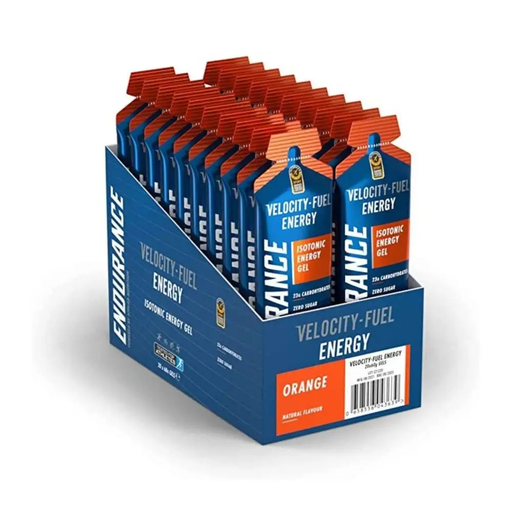
Why This Fits Their Persona: A caffeine-free option for runners starting to plan fuel for longer sessions, with 20 single-serve sachets for regular training in the UK.
It avoids the common mistake of buying a high-caffeine pre-workout gel for routine endurance fuelling. The label lists 23.1g carbohydrate per 60g gel and no caffeine.
Caffeine-free formula, zero listed sugars and isotonic format designed for direct consumption.
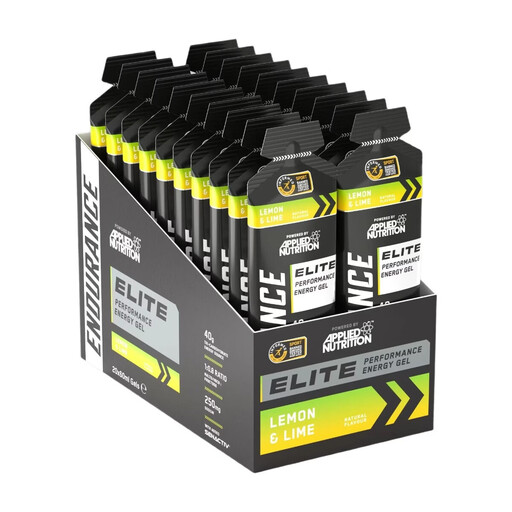
Why This Fits Their Persona: Suitable for experienced endurance athletes who want a higher-carbohydrate serving for long runs, cycling events or triathlon training.
Its nutrition panel clearly states 40g carbohydrate and 250mg sodium per gel, helping buyers distinguish it from lower-carbohydrate sachets.
Tri-source carbohydrate blend, 250mg sodium and Informed-Sport batch-testing information supplied on the product listing.
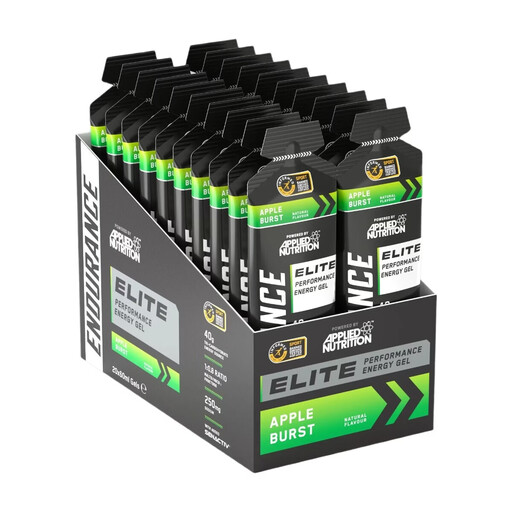
Why This Fits Their Persona: Designed for heavy endurance users who need substantial carbohydrate and sodium per serving across long training or competition days.
It is positioned as endurance fuel rather than a stimulant-heavy pre-workout gel, with serving guidance of 1 to 3 gels per hour and a stated daily maximum.
40g carbohydrate, 250mg sodium and a three-carbohydrate-source formulation per 60ml gel.
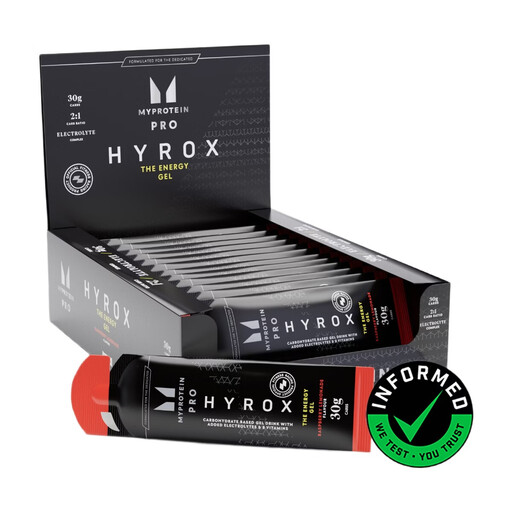
Why This Fits Their Persona: A practical choice for runners and cyclists who want more carbohydrate per sachet plus added electrolytes for longer sessions.
The serving information states 30g carbohydrate, 10g sugars and a maximum of six sachets in 24 hours, making the formulation easier to plan around.
30g carbohydrate per 60ml serving, with magnesium, potassium, calcium and B vitamins listed in the ingredients and nutrition information.
We have compiled a complete, real-time list of products that fully satisfy these strict selection criteria and UK safety regulations.
Follow the serving instructions on the specific product. Some labels suggest one gel as required, while the higher-carbohydrate endurance products list one to three gels per hour. Start conservatively during training, take small sips of water where appropriate and avoid changing your fuelling plan on race day.
Yes. Check the Best Before End, batch number and storage instructions on the sachet or outer packaging. Store unopened gels in a cool, dry place away from direct sunlight and heat. Use the contents immediately after opening and do not keep opened sachets for later.
No. A caffeinated energy gel is a specific-use product, not a requirement for every workout. Check the caffeine amount, your total intake from other sources and the age, pregnancy and medical warnings. For a caffeine-free option, choose a standard endurance gel and maintain hydration alongside your normal diet.