
24/7 Customer Support

Free returns

Same-day & Next-day Delivery

Quality Guaranteed

Unlock Your Welcome Offers: FREE Delivery | Up to 80% OFF | Free 30-day JoyPlus trial
Download the APP
Energy gels can be useful when carrying food is impractical, but choosing the wrong formula may leave you with stomach discomfort, an unwanted caffeine hit or less carbohydrate than expected. This guide separates meaningful specifications from marketing language, helping UK runners, cyclists, triathletes and gym-goers compare energy gels with greater confidence.
A gel may sound powerful while providing little carbohydrate. Pre-workout gels, for example, can focus on caffeine, creatine or amino acids rather than fuelling a long run. For marathon energy gels, cycling energy gels and triathlon energy gels, check the grams of carbohydrate per sachet, not simply the product name.
An isotonic energy gel may be designed for direct consumption without additional water, but it is not a replacement for a drink. Check the sodium, magnesium and potassium content, then plan separate fluid intake for longer sessions, warmer weather and heavy sweating.
Sugar-free energy gels can suit people who prefer sweeteners or want to limit sugar, but carbohydrate totals and ingredient sources still matter. Some products use maltodextrin, while others combine maltodextrin and fructose. Read the nutrition panel carefully, particularly where the product description and label appear to use different terminology.
Caffeine is another frequent source of confusion. A caffeinated gel may contain 75mg, 200mg or more per serving. Adding coffee, pre-workout powder and several caffeinated energy gels together can significantly increase total caffeine intake.
For endurance exercise, compare the quantity and type of carbohydrate in each sachet:
Carbohydrate energy gels containing more than one source, such as maltodextrin and fructose, may appeal to endurance athletes seeking variety in their fuelling plan. However, tolerance varies, so test any new formulation during training rather than on race day.
Caffeine-free energy gels are easier to fit around tea, coffee and other sports nutrition gels. Caffeinated energy gels may be useful before or during demanding exercise, but they require more careful planning.
The products listed here include options with 75mg caffeine per 60g gel, while some pre-workout energy gels contain 200mg or 230mg per serving. Those higher amounts are intended for pre-exercise use rather than repeated fuelling throughout a marathon or cycling event. Always follow the pack directions and warnings. Products with high caffeine content are not suitable for children and may not be suitable during pregnancy or breastfeeding.
Electrolyte energy gels may include sodium, chloride, magnesium or potassium. Compare the actual milligram amounts rather than relying on phrases such as “hydration support”.
Also consider:
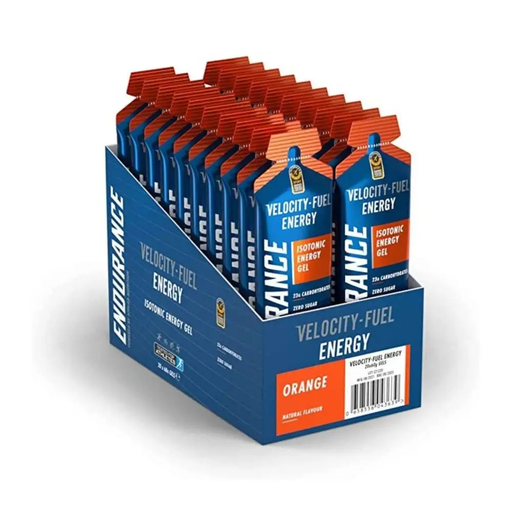
Why This Fits Their Persona: A straightforward 20-pack for runners and cyclists starting to build a fuelling routine, including during UK club rides and weekend long runs.
The listed formula is caffeine-free and provides 23.1g carbohydrate per 60g gel, making the fuel content easy to compare.
Zero sugar is listed; single-serve sachets are portable and suitable for direct consumption.
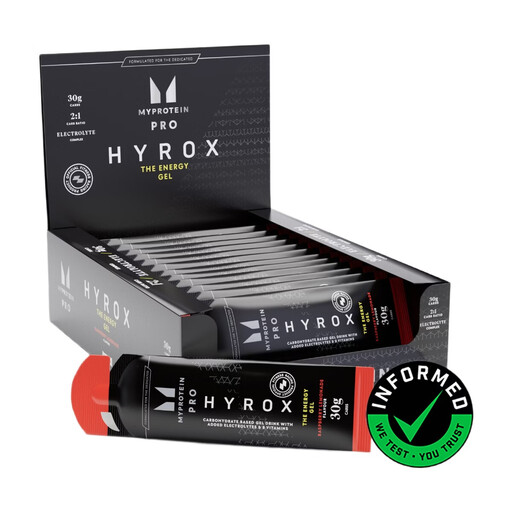
Why This Fits Their Persona: Suits athletes who want a higher 30g carbohydrate serving with added electrolytes for longer training and racing.
The nutrition panel states 30g carbohydrate per 60ml serving and identifies magnesium and potassium in the ingredients.
Uses maltodextrin and fructose; the pack contains 20 individual sachets.
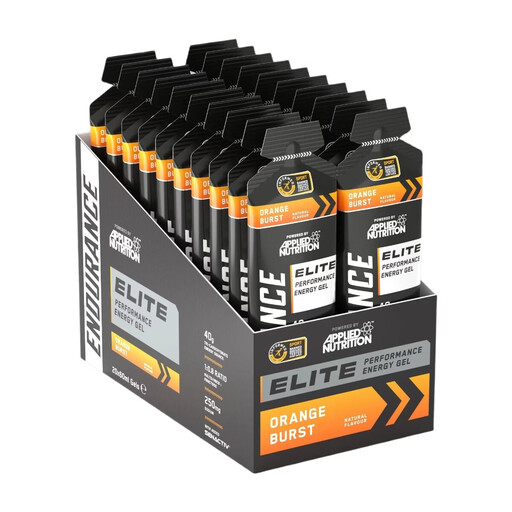
Why This Fits Their Persona: Designed for ultra-endurance athletes, long-distance cyclists and triathletes who need a larger carbohydrate serving during extended events.
The stated serving provides 40g carbohydrate and 250mg sodium, so the fuelling and electrolyte quantities are visible rather than implied.
Tri-source carbohydrate blend; directions allow one to three gels per hour, with a stated maximum of six daily.
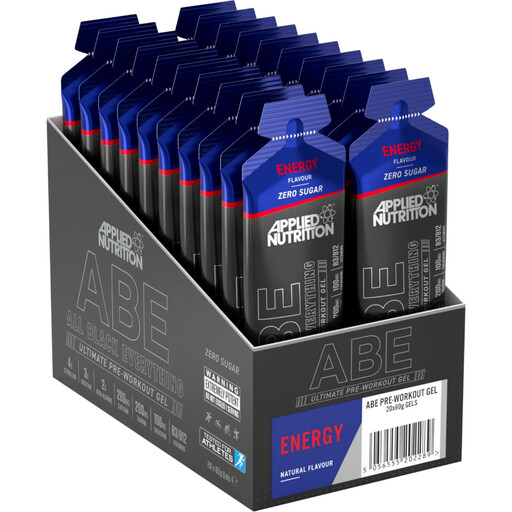
Why This Fits Their Persona: A convenient option for adults who want a concentrated pre-workout format for gym sessions or high-intensity training rather than repeated race fuelling.
The label specifies 200mg caffeine per 60g serving and a maximum of one gel daily, making it unsuitable for casual repeated use.
Contains 4g citrulline malate, 3g creatine monohydrate and 2g beta-alanine; no mixing bottle is needed.
We have compiled a complete, real-time list of products that fully satisfy these strict selection criteria and UK safety regulations.
There is no single suitable number for every runner. Use the product’s carbohydrate quantity and stated serving guidance alongside your wider food and drink plan. Start conservatively in training and avoid exceeding the label directions.
Some isotonic energy gels are formulated for direct consumption without additional water. Others recommend drinking water after the gel. Even when water is not required for the gel itself, maintain normal hydration during prolonged exercise.
Not necessarily. Check the caffeine amount and your total daily intake from coffee, tea, pre-workout products and other supplements. High-caffeine gels carry specific age and health warnings, so follow the label and seek medical advice if you have a health condition, take medication or are unsure about suitability.