
24/7 Customer Support

Free returns

Same-day & Next-day Delivery

Quality Guaranteed

Unlock Your Welcome Offers: FREE Delivery | Up to 80% OFF | Free 30-day JoyPlus trial
Download the APP
Energy gels are a convenient way to carry carbohydrates during long runs, bike rides, triathlons and demanding training sessions. However, the sachet format can make products look similar when their intended uses are very different. A gel designed for a marathon may not be suitable as a pre-workout, while a high-caffeine formula can be excessive for a casual gym session.
This guide explains the specifications that matter, the marketing details worth questioning and our top recommendations for different types of active adults in the UK.
Not every product labelled as an energy gel is a carbohydrate product. Endurance gels generally provide maltodextrin, fructose or other carbohydrate sources for exercise lasting beyond a short session. Pre-workout energy gels may instead focus on caffeine, creatine, beta-alanine and citrulline malate, with little or no carbohydrate.
Check the nutrition panel rather than relying on the front of the packet. A gel containing 0g carbohydrate is not a direct replacement for carbohydrate fuel during a long run or cycle.
Isotonic energy gels are often formulated to be consumed without additional water, which can be useful when running or cycling. However, this does not mean one sachet replaces your wider hydration strategy. You may still need water and, depending on conditions and sweat loss, additional electrolytes.
Also compare the actual carbohydrate and sodium content. “Isotonic” describes the formulation, not how much fuel or sodium the product supplies.
Caffeine energy gels can be useful before or during demanding exercise, but the amount varies considerably. The products in this guide range from 75mg per sachet to 230mg per serving. Add coffee, tea, cola or other supplements and the total can rise quickly.
Check the recommended age, serving limit and caffeine warning. Anyone who is pregnant, taking medication, managing a medical condition or sensitive to caffeine should seek suitable professional advice before use.
For energy gels for running or cycling, compare carbohydrates per sachet, not just calories. The products listed provide between 22g and 40g per serving, depending on the formula.
A lower-carbohydrate sachet can be convenient for shorter sessions or when combined with sports drinks and food. A higher-carbohydrate gel may suit ultra-endurance events, but it should be introduced during training rather than used for the first time on race day.
Some carbohydrate energy gels use a blend of maltodextrin and fructose. Others use a tri-source combination, such as maltodextrin, fructose and highly branched cyclic dextrin. The ratio and serving size are more useful comparison points than phrases such as “rapid” or “sustained” on the packaging.
Caffeine-free gels are a straightforward choice when you want carbohydrate fuel without stimulants. Caffeinated sports energy gels can provide a more noticeable stimulant intake, but they require careful planning.
Look for the exact amount per gel:
Pre-workout energy gels may also contain beta-alanine, creatine, taurine or citrulline malate. These products are not interchangeable with ordinary endurance fuel, and their instructions may limit use to one serving per day.
If you sweat heavily or exercise outdoors in warmer conditions, check sodium, magnesium and chloride values. Applied Nutrition’s Endurance Elite gels list 250mg sodium per gel, while several other options include magnesium and smaller sodium amounts.
An isotonic formulation may be practical when carrying limited water, but maintain adequate hydration as directed on the product label. Finally, compare the number of sachets with your planned training schedule. A 20-pack may suit regular runners and cyclists, while a six-pack can be useful for trying a flavour or preparing for occasional activities.
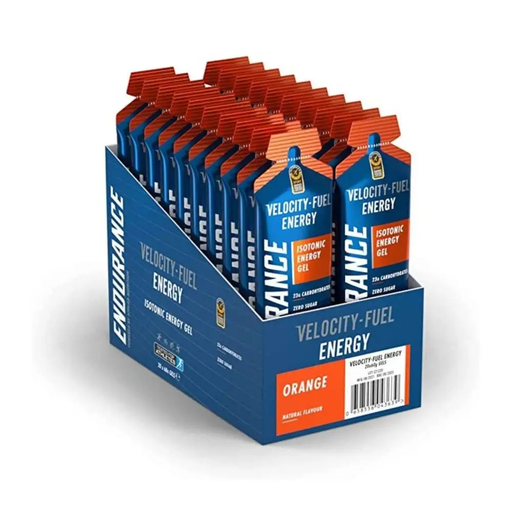
Why This Fits Their Persona: A caffeine-free option for runners, cyclists and active adults who want a simple way to trial carbohydrate fuelling during longer sessions.
The label lists 23.1g carbohydrate per 60g gel and no caffeine, so the purpose is clearer than a stimulant-led pre-workout product.
20 sachets, zero sugar listed and direct consumption format.
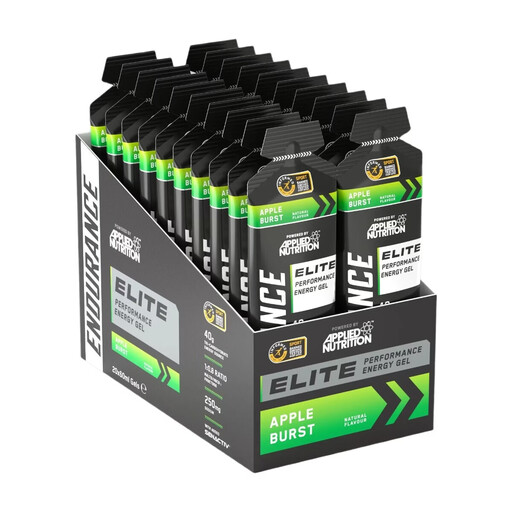
Why This Fits Their Persona: Suited to long-distance runners, cyclists and triathletes planning substantial carbohydrate intake during extended events.
Its stated 40g carbohydrate serving and 250mg sodium are clearly shown, rather than relying only on broad endurance language.
Tri-source carbohydrate blend, apple flavour and 20-gel pack.
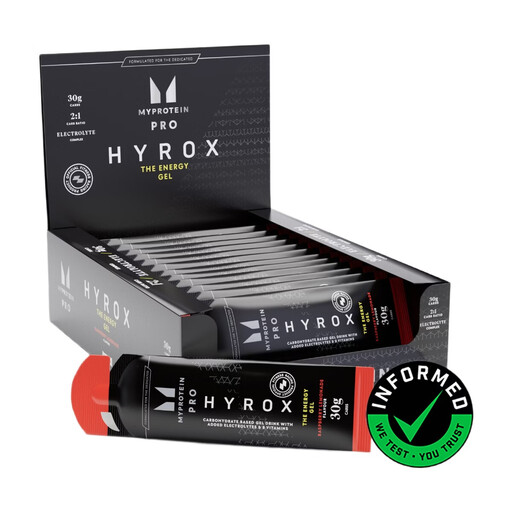
Why This Fits Their Persona: A practical match for users covering repeated long sessions and wanting carbohydrates with stated electrolyte ingredients in each serving.
The serving provides 30g carbohydrate and the directions state a maximum of six sachets in 24 hours, making intake easier to plan.
30g carbohydrate, magnesium and potassium ingredients, plus a 20-sachet pack.
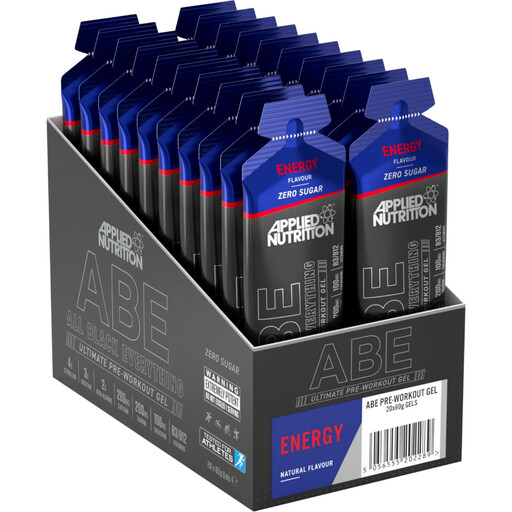
Why This Fits Their Persona: Designed for adults seeking a pre-workout format before high-intensity gym, resistance or interval training rather than carbohydrate fuelling during a long event.
The label states 0g carbohydrate and 200mg caffeine per gel, so buyers can distinguish it from endurance energy gels.
Includes stated amounts of citrulline malate, creatine and beta-alanine; one-gel daily limit is provided.
We have compiled a complete, real-time list of products that fully satisfy these strict selection criteria and UK safety regulations.
Follow the individual product directions and test the gel during training first. For longer activities, many athletes take a carbohydrate gel before energy levels drop, then space further servings according to their overall carbohydrate plan. Avoid taking several new products together during a race.
Open sachets carefully, consume the recommended amount and keep water available even when the product is described as isotonic. Store unopened gels in a cool, dry place, and check the label for allergens, best-before information and updated instructions.
They may be unnecessary for a short 5K for many people, particularly if they have eaten normally beforehand. They can be more relevant for longer events, extended training or users who find portable carbohydrate useful. Choose based on the session length and your existing food and drink plan.
Some isotonic energy gels are designed to be consumed without additional water. Read the specific instructions, as formulations differ. Water may still be needed to support general hydration during exercise, especially in warm conditions.
Unopened gels generally remain usable until the best-before date printed on the packaging when stored as directed. Heat, moisture and direct sunlight can affect storage quality. Once opened, consume the sachet immediately and check the product label for precise instructions.