
24/7 全天候客户支持

免费退货

当日/次日达

品质保障

开启新人专享福利: 全场免邮 | 低至 2 折 | 免费试用 30 天 JoyPlus 会员
下载 Joybuy
As a Joybuy Product Recommendation Officer, my role is to help you navigate the crowded market of sports nutrition. When it comes to fuelling your performance, choosing the right energy gels can be the difference between hitting a new personal record and hitting the dreaded wall. However, with so much marketing noise, it's easy to make a poor choice that leads to wasted money and, worse, an upset stomach mid-race.
This guide cuts through the hype to focus on what truly matters, helping you avoid common purchasing mistakes and find the right fuel for your runs, rides and training sessions.
Before you add any gel to your basket, be aware of these frequent traps that catch out even experienced athletes:
To avoid these pitfalls, focus on three objective factors. Understanding these will empower you to select endurance gels that work with your body, not against it.
The engine of any energy gel is its carbohydrate content. Gels typically use a single source like maltodextrin or a combination of different carbohydrate types.
The concentration of a gel determines how quickly it is absorbed. This is where the term isotonic energy gels becomes important.
Beyond carbohydrates, many gels include other ingredients to support performance.
Based on these core parameters, here are a few options tailored to different athlete profiles.
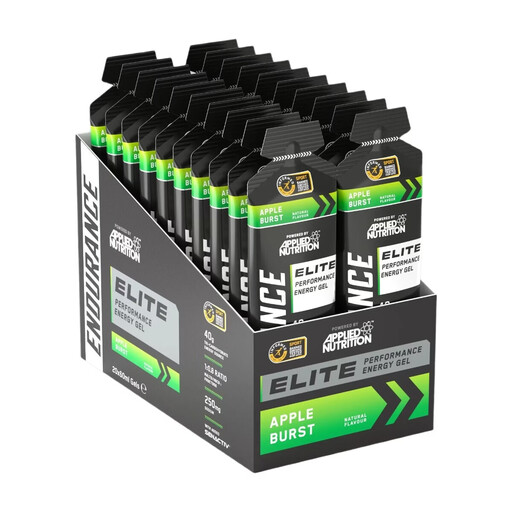
Why This Fits Their Persona: For marathon runners and long-distance cyclists, sustained energy is paramount. This gel is built for the long haul, delivering a substantial 40g of carbohydrates per serving to keep fuel stores topped up during events lasting several hours.
It directly counters the "One-Size-Fits-All" myth with its high-carb formula and advanced 1:0.8 tri-carb ratio, specifically designed for maximum absorption during prolonged efforts, reducing the risk of GI distress.
Provides a high 40g of carbohydrates per gel for sustained fuelling. Contains 250mg of sodium to help replenish electrolytes lost through sweat.
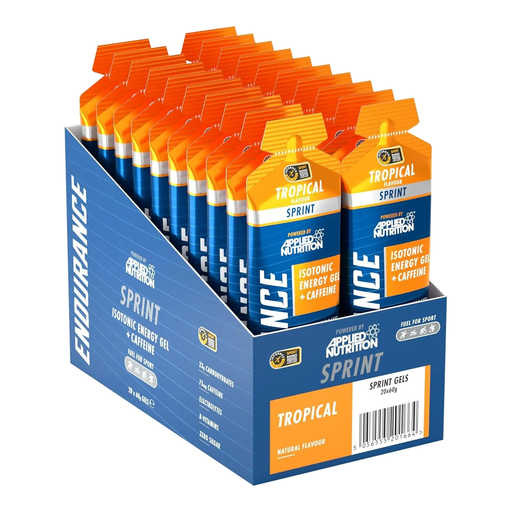
Why This Fits Their Persona: For athletes in shorter, high-intensity events or team sports, a quick mental and physical boost is key. This gel combines fast-acting carbohydrates with caffeine to sharpen focus and reduce perceived effort when it matters most.
Its zero-sugar formula provides clean energy without the risk of a "sugar crash" often associated with overly sweet gels. The formulation is also designed for consumption without extra water, avoiding the "isotonic illusion".
Contains 75mg of caffeine for a mental and physical lift. Includes electrolytes and B-Vitamins to support hydration and energy metabolism.
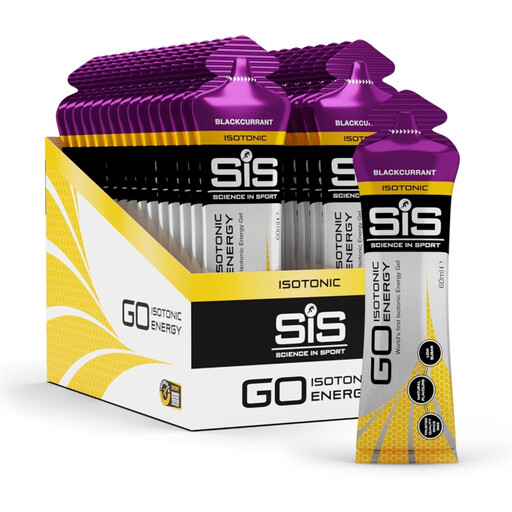
Why This Fits Their Persona: For the fitness enthusiast or regular runner training for 90+ minutes, a reliable, no-fuss gel is essential. This product is a go-to for its proven effectiveness and gentleness on the stomach, making it a great choice to fuel consistent training efforts.
This is a genuine isotonic gel, which means it avoids the "Isotonic Illusion" pitfall. Its formulation is designed for rapid absorption without needing extra water, minimising the risk of bloating and discomfort during a run.
Truly isotonic formula is easy on the stomach and convenient to take on the move. Provides a standard 22g of carbohydrates for efficient energy delivery.
We have compiled a complete, real-time list of products that fully satisfy these strict selection criteria and UK safety regulations.
A general guideline for endurance events is to consume between 30-60 grams of carbohydrates per hour, with some highly trained athletes aiming for up to 90 grams. Check the carbohydrate content of your chosen gel—if it contains 22g, you would aim for 2-3 gels per hour. Always practise your fuelling strategy during training to see what works for you.
It depends on the formulation. With a true isotonic energy gel, you do not need to consume water at the same time for it to be absorbed effectively. For thicker, more concentrated (hypertonic) gels, you should take them with a few sips of water to aid digestion and prevent stomach upset. Always check the manufacturer's instructions.
Stomach issues are a common complaint and can be caused by several factors. The most frequent culprits are high concentrations of simple sugars, thick gel consistency that is hard to digest or simply taking on too many carbohydrates too quickly for your gut to handle. Choosing a multi-source carbohydrate gel or a true isotonic formula can help, but it is crucial to test different brands and fuelling timings during training to find what your stomach tolerates.