
24/7 全天候客户支持

免费退货

当日/次日达

品质保障

开启新人专享福利: 全场免邮 | 低至 2 折 | 免费试用 30 天 JoyPlus 会员
下载 Joybuy
As a marathon runner or long-distance cyclist, you know that hitting "the wall" is more than just a saying; it's a physical reality. The right endurance fuel can be the difference between a new personal record and a painful DNF. But the market for energy gels is saturated with options, many of which are promoted with confusing jargon and bold claims. This guide cuts through the clutter to help you understand what truly matters when selecting your fuel source.
Before you stock up, be aware of these common purchasing pitfalls that can leave you with an upset stomach or an empty tank mid-race:
To avoid these traps, focus on the objective specifications of the product. Here are the three most important factors to analyse on the label before making a choice.
Not all carbs are created equal. The type and blend of carbohydrates determine how quickly and efficiently your body can convert them into usable energy.
This technical term simply refers to the concentration of the gel compared to your body's fluids. It's a critical factor for digestion during exercise.
Beyond pure energy, some gels offer additional ingredients to enhance performance.
Based on these practical criteria, here are a few options tailored to different types of UK athletes.
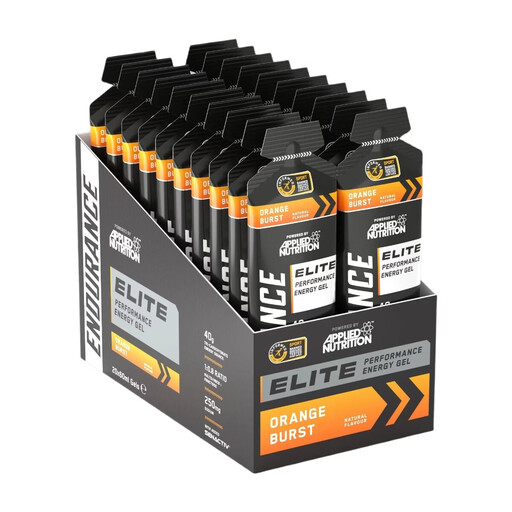
Why This Fits Their Persona: This gel is built for the demands of long-distance events. For a marathon runner tackling the London or Manchester course, the high carbohydrate content and multi-source blend are designed to provide sustained energy over several hours.
It directly counters the "sugar crash" pitfall by using a tri-source carbohydrate formula (Maltodextrin, Fructose and Cyclic Dextrin) for a steady, prolonged energy release, not a short-lived spike.
Delivers a substantial 40g of carbohydrates per gel, one of the higher amounts available, reducing the number of gels you need to carry. Also contains 250mg of sodium to replenish electrolytes.
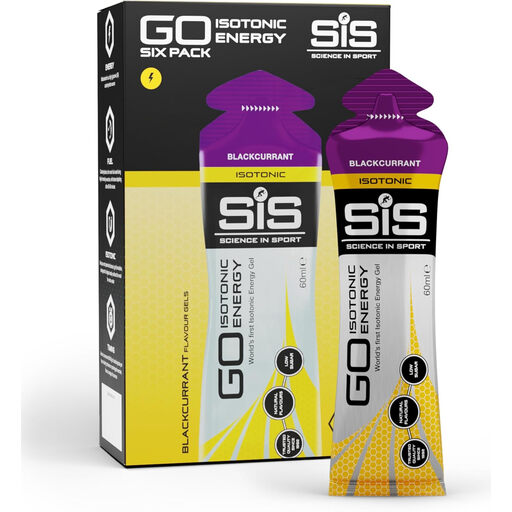
Why This Fits Their Persona: For someone participating in a local Parkrun or training for a 10k, a straightforward, easy-to-digest gel is ideal. This product is a go-to for its gentle formula, making it a reliable choice for those new to using running gels.
Its isotonic formulation is designed to be gentle on the stomach, directly addressing the common pitfall of gastrointestinal issues that can arise from more concentrated, hypertonic gels.
The main benefit is convenience. It can be consumed without extra water, making it easy to take mid-run without breaking your stride. The low sugar content (0.6g per gel) helps provide energy without a sharp crash.
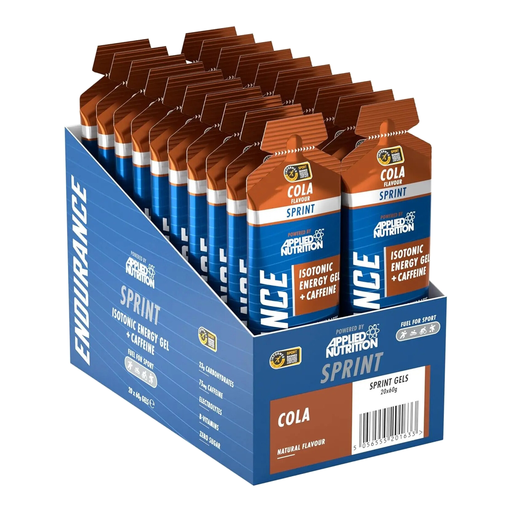
Why This Fits Their Persona: For a cyclist competing in a sportive or tackling a long, hilly route in the Peak District, this gel offers a multi-faceted approach. It combines fast-acting carbs, a mental boost from caffeine and crucial electrolytes for hydration.
This gel avoids the pitfall of ignoring electrolytes. It provides a comprehensive blend of Sodium, Chloride and Magnesium, which is essential for maintaining performance during long, sweaty rides.
The combination of 75mg of caffeine and a B-vitamin complex supports both mental focus and energy metabolism. It is also Informed-Sport batch tested, providing assurance for competitive athletes.
We have compiled a complete, real-time list of products that fully satisfy these strict selection criteria and UK safety regulations.
A common guideline for energy gels for marathon running is to take one gel approximately 45-60 minutes into the race, and then another every 45-60 minutes thereafter. However, this is highly individual. It is crucial to practise your fuelling strategy during training runs to see what works for your body. Never try a new gel or a new timing strategy for the first time on race day.
It depends on the gel's tonicity. With isotonic gels, you do not need to consume water for them to be absorbed effectively, which is a major convenience. For more concentrated (hypertonic) gels, you should consume them with a few sips of water to aid digestion and prevent stomach discomfort. Always check the manufacturer's instructions on the packaging. Regardless of gel type, maintaining overall hydration is essential.
Yes, this is a common issue, often caused by a few factors. Taking a highly concentrated gel without enough water, consuming too many gels too quickly or using a gel with a sugar source that doesn't agree with you can all lead to digestive distress. The key is to start slowly, test different brands and formulations during training and prioritise isotonic options if you have a sensitive stomach.