
24/7 Customer Support

Free returns

Same-day & Next-day Delivery

Quality Guaranteed

Unlock Your Welcome Offers: FREE Delivery | Up to 80% OFF | Free 30-day JoyPlus trial
Download the APP
As a runner, cyclist or endurance athlete in the UK, you know that proper fuelling can be the difference between a new personal record and hitting the dreaded 'wall'. The market for energy gels is vast, with every brand promising a quick and easy boost. However, navigating the marketing claims to find a product that works for you without causing issues can be a challenge. Many athletes find themselves wasting money on gels that simply don't deliver.
Before you stock up for your next event, let's look at a few common pitfalls that can derail your performance and your budget.
To avoid these traps, it pays to look past the flashy packaging and analyse a few core parameters. Understanding these will help you select the right sports nutrition for your needs.
The 'tonicity' of a gel refers to its concentration compared to the fluids in your body. This is a critical factor for digestion and absorption speed.
For hassle-free, on-the-move fuelling, an isotonic formulation is often the more practical choice.
The type and amount of carbohydrate determine how the energy is delivered. For sustained performance, look for gels that use a complex carbohydrate like maltodextrin.
Maltodextrin is absorbed easily and provides a more stable, fast-acting energy release than the sharp spike from simple sugars. Most endurance gels are designed to provide between 20-25g of carbohydrate per serving, which is a standard amount to consume at regular intervals during prolonged exercise. This is a key component of any effective marathon fuelling strategy.
Finally, check the label for other ingredients that may be important to you:
Based on these practical criteria, we've matched a few standout options to different types of athletes.
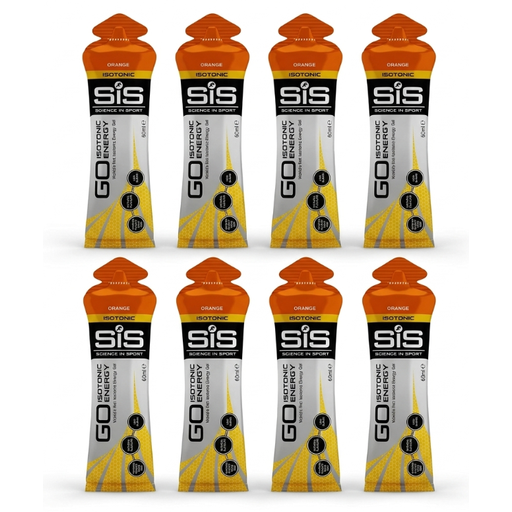
Why This Fits Their Persona: Ideal for marathon runners and long-distance cyclists who prioritise reliability and gut comfort. This is a go-to for athletes who need fuel they can trust on race day without any surprises.
Its isotonic formula is designed to be absorbed without extra water, directly solving the "water juggle" and bloating pitfall common with thicker gels.
Provides 22g of maltodextrin-based carbohydrate for fast, sustained energy. According to the brand, it was the world's first isotonic energy gel.
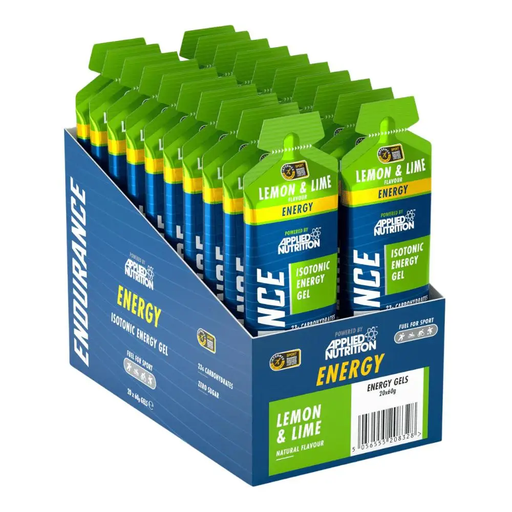
Why This Fits Their Persona: Perfect for the health-conscious athlete who actively avoids sugar and stimulants. This Applied Nutrition energy gel is great for those wanting clean, steady fuel for their workouts without any unwanted additives.
Its zero-sugar formula completely sidesteps the "sugar spike and crash" pitfall, providing energy solely from slow-releasing carbohydrates.
Delivers 23g of carbohydrates per gel. It is also Informed Sport approved, offering quality assurance for competitive athletes.
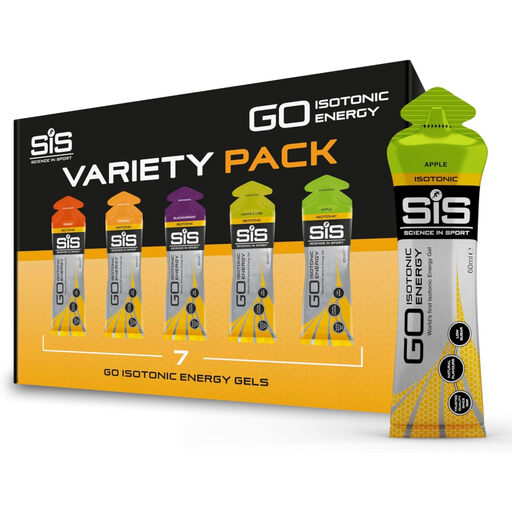
Why This Fits Their Persona: Designed for athletes in ultra-endurance events or those who simply get tired of the same taste. This pack allows you to alternate flavours during a long day, keeping your fuelling strategy interesting and palatable.
This variety pack is the direct solution to the "flavour wall" pitfall, providing six different fruit flavours to prevent taste aversion on long efforts.
You get the trusted performance of the SiS GO Isotonic Gel formula with the added benefit of variety, ensuring you can keep fuelling effectively for hours.
We have compiled a complete, real-time list of products that fully satisfy these strict selection criteria and UK safety regulations.
For exercise lasting over 90 minutes, a common guideline is to consume 1-3 gels per hour to achieve a target carbohydrate intake of 60-90 grams. However, this is highly individual. It is crucial to practise your fuelling strategy during training to see what works for your body. Always check the manufacturer's recommended dosage on the packaging.
Correct, the formulation of isotonic gels is designed for rapid absorption without needing to be washed down with water. This is one of their main convenience benefits. However, this does not replace your overall hydration needs. You must still drink water or electrolyte drinks separately throughout your activity to stay properly hydrated.
Stomach issues are often caused by hypertonic gels, which are highly concentrated with sugar. These can draw water into your gut to be digested, leading to bloating and discomfort. Dehydration can make this worse. Choosing an isotonic formula and, most importantly, testing your chosen running gels during training sessions can help you find an option that agrees with your digestive system.