
24/7 Customer Support

Free returns

Same-day & Next-day Delivery

Quality Guaranteed

Unlock Your Welcome Offers: FREE Delivery | Up to 80% OFF | Free 30-day JoyPlus trial
Download the APP
The market for energy and health drinks has expanded rapidly, offering a convenient solution for everything from a midday slump to post-workout recovery. However, with so many options, it's easy to fall for marketing hype and choose a product that doesn't align with your goals. As a Joybuy Product Recommendation Officer, my role is to help you navigate this complex landscape and make informed choices. This guide will highlight common purchasing pitfalls and break down the essential factors to consider.
Many shoppers find themselves disappointed with their purchases, often due to a few recurring issues. Being aware of these can save you both money and frustration.
To avoid these pitfalls, focus on a few key parameters. Analysing these details will empower you to select the right energy and health drinks for your lifestyle.
Decoding the Nutritional Label: Look beyond the front-of-pack claims. The two most important figures to check are sugar content and caffeine levels. For sugars, note the "of which sugars" value per 100ml to make an easy comparison. For energy drinks, UK regulations require the caffeine content (mg per 100ml) to be stated. A typical cup of coffee has around 40mg per 100ml, providing a useful benchmark. If you're choosing a protein drink, check the protein source (e.g., milk, soy) and the amount per serving.
Scrutinising the Ingredient List: A shorter, more recognisable ingredient list is often a good sign. Look for drinks that use natural flavourings and colours. For functional beverages, identify the active ingredients that deliver the promised effect, such as B-vitamins for energy metabolism, taurine and L-carnitine in energy formulas or electrolytes in hydration drinks. The rise of kombucha and drinks with adaptogens like Ashwagandha also calls for checking the specific cultures or extracts used.
Matching the Drink to Your Goal: The ideal drink depends entirely on your objective.
To illustrate how to apply these principles, here are a few selections matched to different user needs.
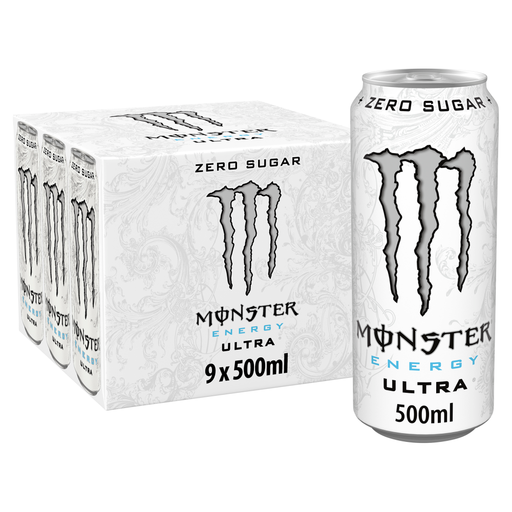
Why This Fits Their Persona: This is for the professional needing a mental lift to power through long meetings or deadlines without a sugar crash. The zero-sugar, low-calorie formula provides energy from caffeine and B-vitamins and the multipack drinks format is convenient for stocking the home or office fridge.
It directly counters the "healthy" sugar trap by containing zero sugar and only 2 kcal per 100ml, offering a clean energy boost.
Provides a full energy blend with B-vitamins for focus, but with a light, crisp citrus flavour and no sugar-related energy dip afterwards.
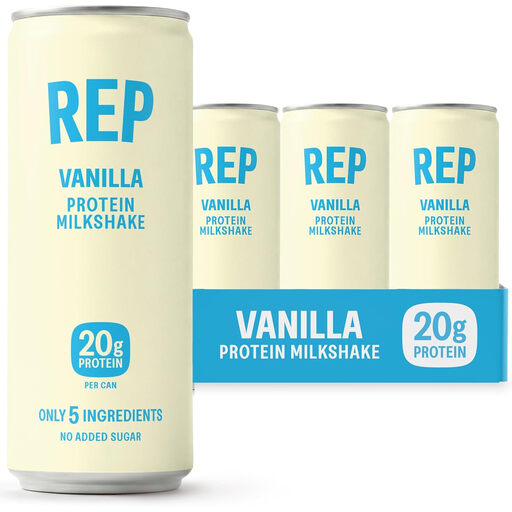
Why This Fits Their Persona: Ideal for the gym-goer who wants a convenient post-workout protein source without artificial additives. This shake is perfect for someone who reads labels and values a minimal, clean ingredient list to support their fitness goals.
It avoids the protein "halo" effect. With only five ingredients and no artificial sweeteners or preservatives, its value is genuinely in its simplicity and high-quality protein content, not hidden behind other additives.
Delivers a solid 20g of protein from British milk in a light, non-bloating formula. It is gluten-free and vegetarian-friendly.

Why This Fits Their Persona: This is designed for individuals actively managing their weight who need a structured, convenient and nutritionally complete alternative to a traditional meal. It takes the guesswork out of calorie counting for breakfast or lunch.
It avoids vague "functional" claims by being a purpose-built meal replacement shake. Its function is clearly defined: to provide a calorie-controlled (230 kcal) meal with balanced macronutrients and 23 essential vitamins and minerals.
Provides 15g of protein and 4g of fibre to promote satiety, helping to prevent snacking between meals. It's a structured tool for a calorie-restricted diet.
We have compiled a complete, real-time list of products that fully satisfy these strict selection criteria and UK safety regulations.
1. How much caffeine is too much in an energy drink? The Food Standards Agency (FSA) advises that healthy adults should limit their caffeine intake to around 400mg per day. Most 500ml energy drinks contain between 150-160mg of caffeine. Therefore, consuming more than one or two in a day, especially alongside other caffeine sources like coffee or tea, could easily push you over the recommended limit. Always check the label for the high caffeine content warning and the specific amount (e.g., 32mg/100ml).
2. Can I use meal replacement shakes for every meal? Meal replacement shakes are designed to replace one or two meals per day, not all of them. They are part of an energy-restricted diet that should also include conventional, healthy food and adequate fluid intake. Using them as your sole source of nutrition is not recommended and could lead to dietary imbalances. Always follow the usage instructions on the product packaging.
3. Are zero-sugar drinks a healthy choice? Zero-sugar drinks can be a useful tool for reducing overall sugar and calorie intake, which is beneficial for weight management and dental health. They use sweeteners like sucralose or stevia to provide taste without the calories. While they are a better alternative to their full-sugar counterparts, they should still be consumed in moderation as part of a balanced diet that prioritises water for hydration.